
Start with a tax bill, your deed and a few notes about the land. Then compare ways to find a buyer, review offers and arrange closing. This guide shows what to gather and where to find missing papers in Stone County. You do not need every answer to get started.
Tell us about your land. There’s no obligation to accept an offer.
Start with what you know. These steps will help you get ready and choose the way to sell that fits you.
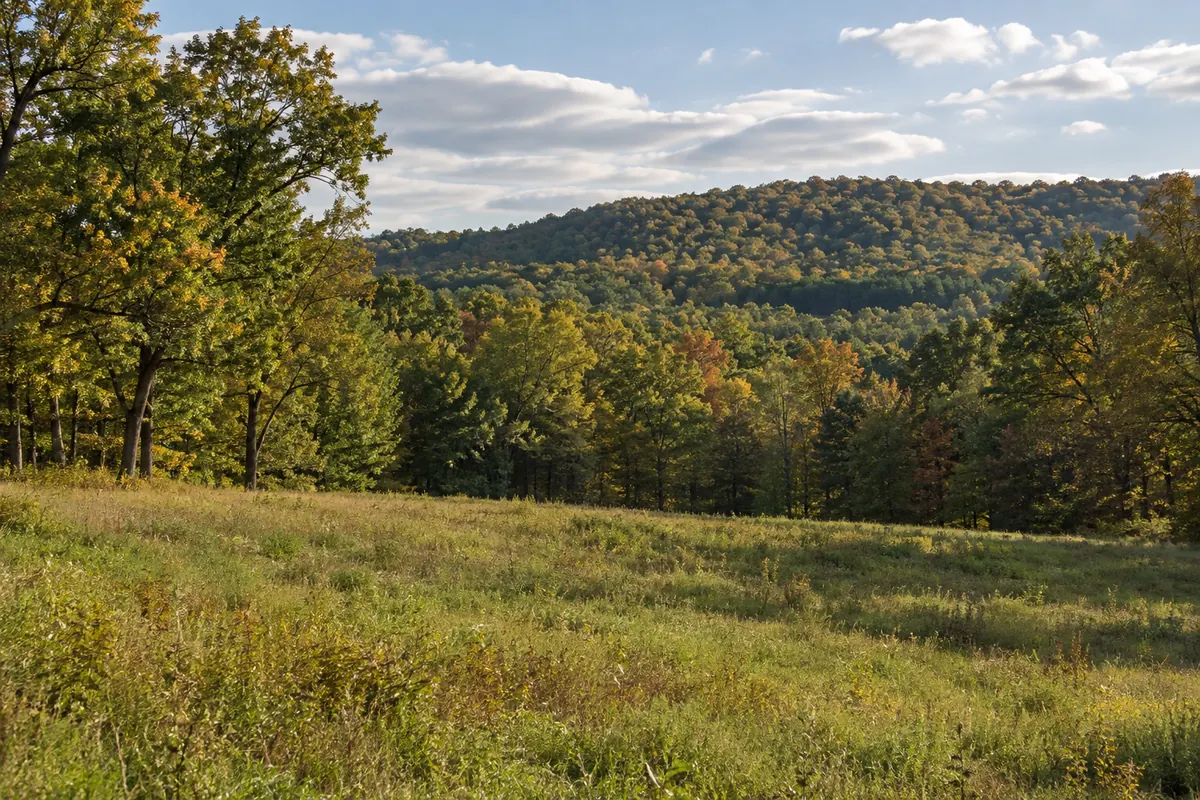
Write down the owner names, acres if known, nearest road and which pieces you want to sell. A parcel number is the number the county uses for a piece of land. Add it if you can find it on a tax bill or old papers.
No street address? A map pin and directions are a good start. Keep each piece’s bill and map together if you own more than one. Mark any piece you want to keep.
Think about your goal. Do you want the best price, fewer calls and visits, or a simpler way to let go of land you no longer use? Use that goal when you compare an agent, selling it yourself and a direct buyer.
Open the Stone County assessor’s page and choose Online Real Estate Records. This is the free land-record service. Online Assessing is a separate link for personal property, such as vehicles. Choose the real-estate link when looking for land.
The linked search heading says Sponsored Search Stone County. Its Basic section has Parcel Number, Owner’s Name, Street Number, Street Name and City fields. A parcel number is the county’s number for a piece of land. Start with the number on a recent tax bill. No number? Try the owner’s last name and a few clues. The search tips suggest starting with only a couple of terms. Add more if you need to narrow the results, then click a parcel number to see its information.
The Mailing Information section has Contact’s Name, Mailing Address and State fields. Use those for the address where the owner gets mail. That can be different from the land’s location. Match the county, owner, parcel number and written land description before sharing a record.
No street address? Gather a map pin, nearest road and old papers. Our guide to land without an address helps you collect clues. A blank street address does not mean there is no parcel record.
The assessor lists 870-269-3524 and 108 West Washington Street, Mountain View, Arkansas 72560. The office is in the two-story stone building behind the courthouse. Call before visiting or if old papers and the online record do not agree.
Keep each piece’s bill, map and deed together if you own several. Mark any piece you plan to keep. A tax value is not proof of what a buyer will pay. The assessor says the parcel map is only a rough reference, not a survey that measures exact boundaries. It does not settle a right to use a road.
A deed is the paper that records a transfer of land. Stone County has a combined Circuit and County Clerk office. Its page says the Circuit Clerk records deeds, mortgages, surveys and land transfers. For a missing deed, use the Circuit Clerk number, 870-269-3271. The County Clerk side has a different phone number for its other work.
The office is at 107 West Main Street, Suite D, Mountain View, Arkansas 72560. Have owner names, an approximate transfer date and any book, page or document number ready. Ask how to get a copy, what it costs and whether an older deed needs an office search. Call before visiting or mailing a request to confirm what to include.
The separate Circuit Clerk website has a Court Log In link. That is not proof of a public deed-image search. We have not verified open online deed access, copy fees or how far back images go. Ask the clerk for the record you need. A parcel search is useful for clues, but is not a deed copy or a full ownership check.
A title company or real estate attorney can help check ownership and other claims and prepare sale papers. If several owners are named, ask who needs to sign before setting a closing date. Gather any survey, loan statement, lease, road agreement and written use rules. A survey is a measured drawing of boundaries. Ask whether a new one is needed before ordering it.
For wooded land, gather timber-sale or tree-cutting papers. For pasture or farm land, gather leases and a list of buildings and equipment that stay. Explain any cutting, grazing or harvest work still planned. Ask how the sale affects those agreements before promising anything to a buyer.
If you’re handling inherited land or helping settle a loved one’s estate, start with the papers you have. Ask which papers and signatures are needed. Our seller document checklist helps you keep track. Keep private family papers out of public ads.
Take photos of the entrance, open ground, woods and any buildings. Include steep or wet areas you know about. Write directions from a nearby road and explain gates and visits. Show what works now, such as a well or power connection. A nearby line is different from a working connection.
If a road crosses someone else’s land, gather any written road agreement. A track on a map does not prove a right to use it. Share the papers with the people helping with the sale before promising access to a buyer.
If someone farms, hunts or rents there, gather that agreement. Note when it ends and which crops, buildings or equipment are included in the sale. Ask how the sale affects those plans before accepting an offer.
You do not need to plan a buyer’s home before selling. Share use rules, permits or other papers you have, and be clear about what you do not know. If a buyer wants to build or change the use, ask the right local office what still needs to be checked.
Ask a local land agent or appraiser for recent completed sales a buyer would compare with yours. Compare acres, usable ground, roads, wet areas, use rules and working services. Ask how each sale price was confirmed.
The Stone County profile describes rugged Ozark terrain and livestock, poultry and wood products as parts of the local economy. Mountain View is the county seat. Those features help explain why total acres alone are not enough to choose a price.
For wooded hill land, show slopes, the entrance and usable open areas. Explain gates and creek crossings. Share road and tree-cutting papers. A ridge view does not show how much flat ground is usable or whether a driveway works after rain. Ask for sales with similar roads and terrain.
For pasture or a farm property, show fences, water sources, barns and how each field is reached. List equipment and buildings that stay. Explain any lease and who maintains shared roads or fences. For poultry buildings, separate the land and buildings from equipment or business agreements. Do not promise those agreements transfer until their terms have been checked.
For land beside public forest or near Blanchard Springs, show the actual parcel boundary. Nearby public trails or recreation land do not prove a right to cross them or a private entrance included in your sale. Gather written road or access papers and ask the closing team to check them before promising those rights.
For a small lot in or near Mountain View, list services that work now. A nearby power or water line is different from a working connection. Share bills or service records. Nearby homes do not prove your lot has septic or building approval. Ask the right local office about a buyer’s planned use before promising it.
Write down each sale date and what was included. Count a deal once if several pieces sold together. Match the parcel and deed before using a price. An asking price is what a seller wants, not proof of what a buyer paid. Our land value guide helps organize comparisons. We do not have a verified current county-wide price per acre to quote here.
List with a land agent. Ask how they would price and market your land, what the fee is, and how long the listing lasts. Check whether they have worked with land like yours. They can help handle calls, visits and offers.
Sell it yourself. You arrange the ad, answer questions, show the land and review offers. Prepare good photos and clear directions. You may still want help with the sale agreement and closing.
Compare a direct offer. A buyer who buys from you directly gives you another choice. Compare the price, costs and terms with your goals. You can turn down an offer.
You do not have to choose Reelvest to use this guide. If you’d like a direct offer to compare, tell us about your land. We’ll review the details and let you know whether we can make one.
Read the price, deposit, costs you pay and planned closing date. Ask what the buyer still needs to check and what would let them cancel. Make sure each offer covers the same land and items.
For example, $60,000 minus $5,000 in seller costs leaves $55,000 before loans or unpaid taxes. A $58,000 offer with $1,000 in those costs leaves $57,000 before those balances. These are examples, not Stone County land prices.
The Stone County Tax Collector lists 870-269-2211 and 107 West Main Street, Suite E, Mountain View. Have your bill and parcel number ready when asking about a missing bill or unpaid amount. Ask for the amount for the date you expect to pay; added charges can change it.
Let the closing team confirm loan balances, taxes and other costs in writing. An online amount may not answer every closing question. Ask how costs will be split and what will be paid from your sale money. Our offer comparison worksheet lets you put known costs side by side. Leave unknown costs blank until you can check them.
Closing is when the sale papers are signed and the agreed payment is handled. Ask who is arranging it and what they need from you. Give them the owner names, written land descriptions and papers you found. Tell them about any loan, lease, shared owner or road question.
Read the agreement and ask about anything that is unclear. Check that it describes the right pieces and items. Before signing the final papers, review the costs and payment amounts. If more than one owner must sign, ask how to arrange that.
Before sending bank details or money, call the closing office using a number you already trust. Confirm the instructions with that office. Keep copies of the signed papers and your payment record. You don't need to have every answer today; a clear set of notes makes the next step easier.
On the Stone County assessor’s page, choose Online Real Estate Records. Online Assessing is a separate service for personal property, such as vehicles. Check that the search heading says Stone County.
The Mailing Information section has Contact’s Name, Mailing Address and State fields. That address may be different from the land’s location. Match the parcel number and written land description too.
The combined office lists 870-269-3271 for the Circuit Clerk, whose work includes recording deeds. Have owner names, an approximate transfer date and any book or page number ready.
A court login is not proof of a public deed-image search. We have not verified open online deed access or older image coverage. Ask the Circuit Clerk how to get the copy you need and what it costs.
The assessor describes parcel mapping as a rough reference, not a survey. Share any survey and deed you have, and ask the closing team how to resolve a boundary question.
Nearby public land does not prove a private right to cross it. Show your actual boundary and gather written road or access papers. Ask the closing team to check them.
No. You can list with an agent, find a buyer yourself or compare a direct offer. Choose the route and terms that fit your goals.
Local source links reviewed October 13, 2026.