
Start with the location of your Saline County land, any papers you have, and what you want from the sale. Then compare prices and ways to find a buyer. You can begin even if a deed, map, or other detail is still missing.
Tell us about your land. There’s no obligation to accept an offer.
Start with what you know. These steps will help you get ready and choose the way to sell that fits you.
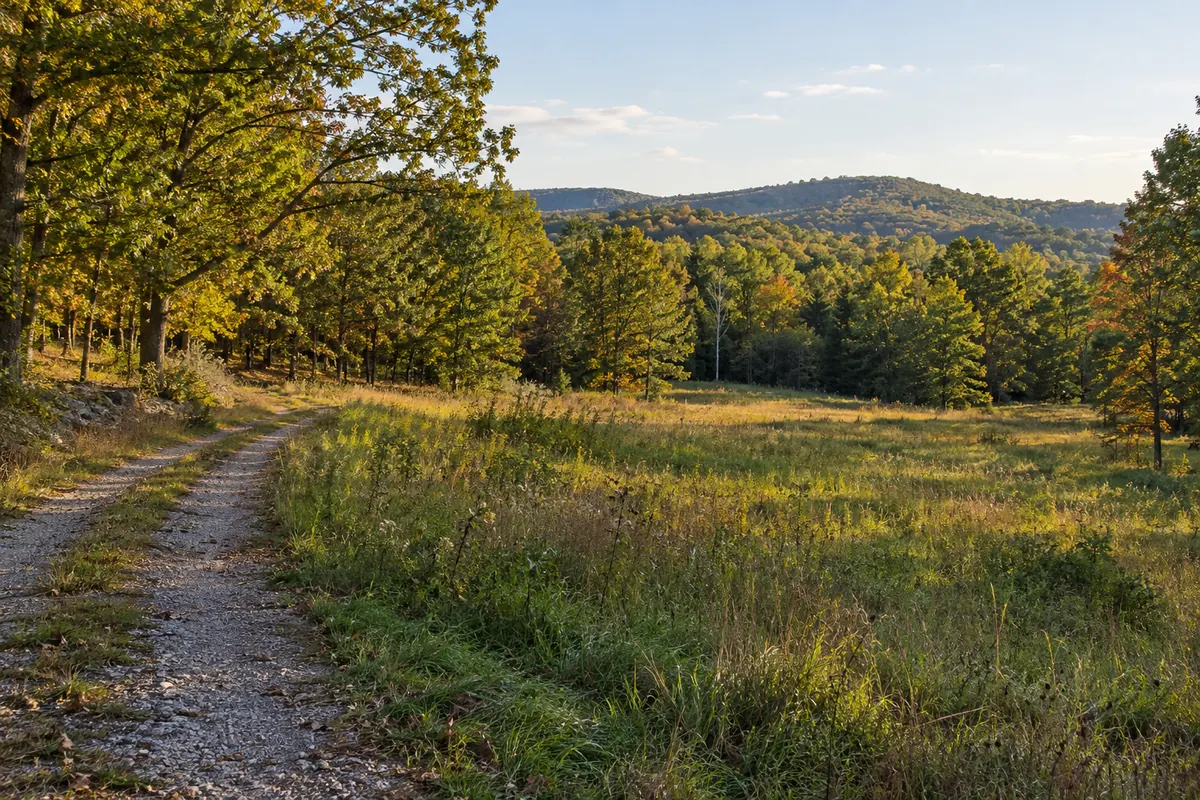
Are you ready to sell land you no longer use? Are you helping with family property? Or do you want to learn what buyers might pay before deciding?
Write down your goal and whether you have a target date. If you own several pieces, decide which ones you want to include. This helps you compare an agent listing, a sale you handle yourself, and direct offers.
Start a folder with a tax bill, deed, old map, and photos if you have them. A phone folder works fine. List missing items so you can ask for help finding them.
Look on a recent tax bill for the land number, often called a parcel number. Write down the acres and the closest road. If the land has no street address, keep the number and a map pin handy. Don’t guess an address for empty ground.
The Saline County mapping page links to its interactive EDGE map. Use it to point out the land you mean. If you need help with the map, the county lists 501-303-5653.
For questions about the property record or listed acres, start with the Assessor at 501-303-5622. Give the land number from your papers. A mailing city alone may not identify the right county record.
List each piece if you own more than one. Mark which pieces you want to sell together. A tax map helps show a location, but it does not settle a disputed property line. Share any old survey if a line is unclear. A survey is a measured drawing of the boundaries.
A deed is the paper that records a transfer of land. If yours is missing, ask the Saline County Circuit Clerk’s Recording Department how to find a copy. Its recording phone is 501-303-5607, which differs from the main court-office number.
The county’s online land records page links to AVA. The county describes the search as free and says printed images have a charge. Ask about the right copy and current cost before paying. You don’t need a regular-search subscription just to ask the office for help.
The page also says records are available for public search at the courthouse, 200 North Main, Room 113, in Benton. If a deed is hard to find online, ask what name, book and page, or other detail would help locate it.
Ask a title company or closing attorney to check ownership papers and any unpaid claims tied to the land. They can explain who needs to sign and what must be handled before closing.
If you’re handling inherited land or helping settle a loved one’s estate, share the papers you have with the person helping with it. Ask what is still needed. You can take this one step at a time; you don’t need every answer before asking about selling.
Give buyers directions from a known road. Note gates, gravel stretches, wet spots, or places where you cross someone else’s land. Say what you know about the route in wet weather.
Share any written right to cross nearby land. That right is often called an easement. Ask the closing team to check the paper if you are unsure what it allows. A road shown on a map does not answer every access question.
For a shared drive or woods road, write down who has handled upkeep and whether there is an agreement about the cost. Describe the route you actually use. Don’t promise access you haven’t checked.
If you live far away, start with the papers and directions you have. Mark details that still need checking. You can ask about selling before clearing trees or building a new road.
Write a short list of what the buyer would receive. Include any shed, fence, well, septic system, or other item you plan to leave. Say what works and what you haven’t checked. Gather existing papers rather than guessing about their condition.
For wooded land, share any timber sale or cutting agreement. Say whether someone is still allowed to remove trees or use a woods road. Ask the closing team how that agreement would carry into the sale. Don’t promise untouched timber if cutting rights are already in place.
If someone farms, hunts, rents, or stores equipment on the land, share the agreement. Ask when that use ends and what would stay after closing. Keep another person’s equipment separate from the items you own.
For a lot in a neighborhood or property owners association, gather any rules, dues bill, and contact details you already have. An association is a group that may set rules or collect fees for the area. Ask about unpaid dues and any sale-related charge.
Describe power, water, and other services as you know them. A line nearby is different from a working hookup on your land. For land near water, say whether you have actual frontage or a written access right.
Take current pictures if you can visit safely. Show the entrance, woods or open ground, and included buildings. Mark older photos with their date. You don’t need to clear trees or build a buyer’s driveway before asking about a sale.
Start with land that has actually sold. A listing price shows what a seller hopes to get. It does not show the final price paid.
Try to match size, area, road access, water, power, and the kind of land. A small lot with services may be a poor match for a larger wooded tract. A neighborhood lot, a wooded hillside, and open acreage can differ even when the acres are the same. A sale with a house also differs from empty ground.
Check the full deal. Was it one piece or several? Did it include buildings or other items? Confirm the land numbers and deed. Count each sale once even if it appears in more than one source.
For a fictional example, a $60,000 sale of 20 acres is $3,000 an acre. That math alone does not price your land. If the example had better access or included a cabin, the difference matters.
An agent who works with land can help find useful examples and explain a price range. For more help, see our land-value guide. A county tax value can be useful background, but it is not an asking price.
Get a written estimate of the money you would keep before agreeing to a deal. Ask about agent fees, closing costs, taxes, any loan balance, and other amounts taken from your payment.
For the tax bill, start with the Saline County Collector at 501-303-5620. The Collector handles real-estate tax billing and collection. The Assessor handles property values and records; these are different questions.
Have the land number and any notice handy. Ask which tax year the bill covers and what balance needs to be checked. Have the closing team confirm amounts for the planned closing date. A pending sale does not by itself mean a tax bill has been paid.
If a notice mentions a tax sale, show it to the Collector and closing team promptly. Ask who currently handles the account and what must happen before relying on a sale date. Keep any payment receipt.
For a fictional example, a $60,000 price minus $3,000 in agreed costs and $1,000 in unpaid balances leaves $56,000. Your numbers may differ. Compare the full terms and money you keep, not just the headline price.
If you’d like a direct offer to compare, tell Reelvest about your land. Start with what you know. We’ll review the details and let you know if we can make an offer. You decide whether it works for you.
Check that the written offer covers the right land, included items, price, and costs. Ask about the deposit and the checks the buyer wants to make. Find out when the buyer can cancel and what happens to the deposit.
Choose a closing company or attorney and ask what papers and signatures it needs. If records are still missing, get a clear list of next steps before relying on a closing date.
Review the final figures and ask how the money will reach you. Keep copies of the signed papers and payment record. For the broader process, see the Arkansas land seller guide.
Yes. Start with the location and papers you have. Write down missing items. The Assessor can help with the property record, and the Circuit Clerk’s Recording Department can help find a deed.
The county mapping page links to the EDGE map viewer. The map-help phone is 501-303-5653. Keep the parcel number from a tax bill handy, especially when the land has no street address.
Call the Circuit Clerk’s Recording Department at 501-303-5607. The county also links to AVA on its online land records page. Ask about a copy charge and what details would help find the paper.
Share any estate papers with the person helping settle it. Ask who has the right to sign and what documents are still needed. You can ask about selling while those questions are being sorted out.
Start with the Saline County Collector at 501-303-5620. Have the land number and notice handy. Ask the closing team to confirm the amount due for the planned sale date.
You can ask about selling before paying for clearing or a new road. Share directions, current pictures and any access papers you have. Ask whether a proposed improvement would help before spending money.
Compare similar completed sales, including road access, services, acres and buildings. Check the full parcel set and deed so you count each deal once. Ask a land agent to explain a useful range.
No. You can compare an agent listing, a sale you handle yourself and direct offers. If you want another option, tell Reelvest about the land. You decide which route fits your plans.
Local source links reviewed October 4, 2026.