
Start with a tax bill, your deed and a few notes about the land. Then compare buyers, review offers and arrange closing. This guide shows where to find missing papers in Pulaski County and which local questions to check. You do not need every answer to get started.
Tell us about your land. There’s no obligation to accept an offer.
Start with what you know. These steps will help you get ready and choose the way to sell that fits you.
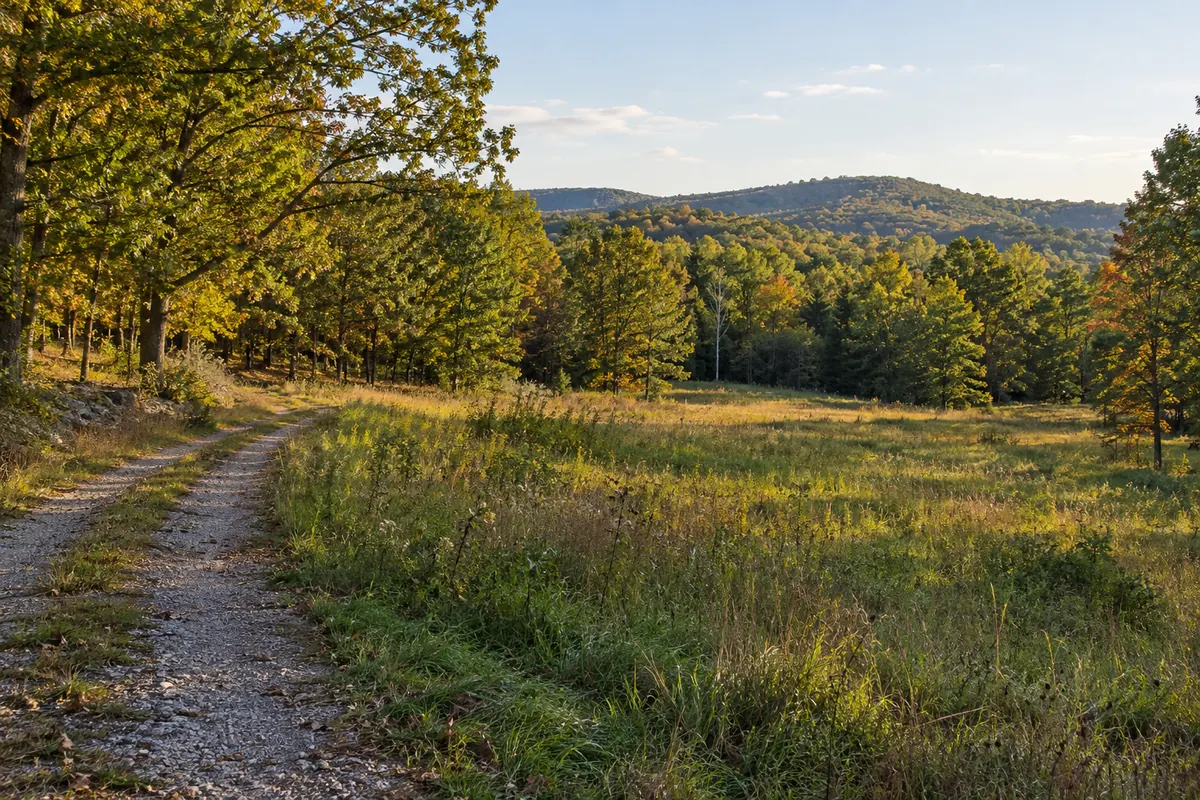
Write down the owner names, acres if known, nearest road and which pieces you want to sell. A parcel number is the number the county uses for a piece of land. Add it if you can find it on a tax bill or old papers.
No street address? A map pin and directions are a good start. Keep each piece’s bill and map together if you own more than one. Mark any piece you want to keep.
Think about your goal. Do you want the best price, fewer calls and visits, or a simpler way to let go of land you no longer use? Use that goal when you compare an agent, selling it yourself and a direct buyer.
Start at the Pulaski County assessor’s website. Its Look Up Property link opens the county-sponsored public search on ARCountyData. The assessor lists 501-340-6170 and 201 South Broadway, Suite 310, Little Rock. Call if you need help matching a piece of land.
Try the parcel number from your tax bill first. A parcel number is the county’s number for a piece of land. The search also has Owner Name, Street Name and Legal Description fields. A legal description is the written description used to identify land in records.
For a name search, you can choose Starts With or Contains. Start with a last name or business name. For a street search, enter only the street name in that field, without a direction or ending such as Road. Billing Information is separate. The address where a bill is mailed may not be where the land is.
No street address? Gather a map pin, directions and an old tax bill. Our guide to land without an address helps you collect clues. Match the owner names, parcel number and written land description before sharing a result. Keep each piece’s papers together if you own several.
The assessor’s View Mapping link can help you locate land. A map does not settle exact boundaries or road rights. An assessor’s value is not proof of what a buyer will pay. Use the parcel record to gather clues, then check the deed and other papers.
A deed is the paper that records a transfer of land. The Circuit Clerk’s Real Estate Department keeps deeds, mortgages, plats and other land papers. It lists 501-340-8433, Room 102, at 401 West Markham Street, Little Rock. Use that department number for a missing deed.
The clerk announced a new land-records system on October 5, 2026. Follow Search Real Estate Records on the department page to reach the current public records site. Choose Official Records Search and Copies, then Official Public Record Search and Copies.
The search form says to enter individual names Last First, such as Smith James. For a wider search, try a last name and first initial. Enter a business name as it is spelled. You can also search by recording date, document number or book and page. Use the numbers on your old deed if you have them.
Check the date coverage before relying on a search. When we reviewed it, the new form said recorder documents were certified from January 1, 1985 through September 3, 2026. The clerk’s department page says its website covers 1994 to the present. Those statements differ. A missing result does not mean a deed or other claim does not exist. Ask the department to confirm the record and any newer filing.
For records before 1994, the department page directs people to in-person research. It says scanned records go back to 1819. Research visits require an appointment booked through its website, rather than by phone or email. Check the current instructions before planning a trip. Call for help identifying the papers and ask what copies cost and how to receive them.
The clerk also posted a pause in free online recording during the system change. Recording means filing a document. That is different from searching existing records. Do not assume that notice means public searches are closed.
A title company or real estate attorney can help check ownership and other claims and prepare sale papers. A tax record or one deed copy is not a full check of that history. If the deed names more than one owner, ask who needs to sign before setting a closing date.
Gather any survey, loan statement, lease, road agreement and written use rules you have. A survey is a measured drawing of the boundaries. Ask whether a new one is needed before ordering it. If you’re helping settle a loved one’s estate, ask the closing team which papers and signatures are needed. Our seller document checklist helps you keep track. Keep private family papers out of public ads.
Take photos of the entrance, open ground, woods, buildings and wet or steep areas you know about. Write directions and explain gates and visits. Show services that work now, such as a well or power connection. A nearby line is different from a working connection.
Before promising a buyer can build, confirm which city or county office handles that parcel. The Pulaski County Planning and Development page lists 501-340-8260. It has floodplain, land-use and Lake Maumelle information. A floodplain is land that may flood. Give the office the parcel number and ask which checks apply to the buyer’s planned use.
Land near Lake Maumelle needs more than a note about the view. A watershed is the area where water drains toward a lake or stream. The county page has Lake Maumelle watershed and zoning maps marked for reference only. Zoning rules describe allowed land uses. Ask the office whether the parcel falls in that area and what rules apply. A reference map is not permission to build.
For an entrance or county-road question, the Public Works page lists 501-340-6800 and a driveway permit application. Ask who maintains the road and whether an entrance needs review. If a road crosses someone else’s land, gather the written road agreement. A track on a map does not prove a right to use it.
If someone farms, hunts or rents there, gather that agreement. Note when it ends and which buildings or equipment stay. Share septic, water, drainage and permit papers you have. Drainage is how water leaves the land. Be clear about what you know and what still needs to be checked.
Ask a local land agent or appraiser for recent completed sales that a buyer would compare with yours. Look at acres, road access, wet areas, use rules and working services. Ask how the sale price was confirmed.
The county-sponsored assessor search separates market areas such as rural west near Kanis Road and Highway 10, rural southwest near Colonel Glenn and Lawson, and rural southeast near Scott and the old river. It also lists city areas. These are search choices, not proof that land in one area has a certain price. Compare pieces with similar features and uses.
For wooded or sloped land west of Little Rock, show the entrance, grade changes and ground a buyer can use. Grade means how steep the ground is. Note creek crossings and any road or tree-cutting agreement. Ask for sales with similar usable ground and access rather than treating every acre the same.
For open or wet ground near Scott or the river, share photos of low spots and ditches. Explain what you know about heavy rain and who maintains drainage. Gather farm or hunting agreements. A field that looks dry in one photo may have different conditions after rain.
For a lot near Little Rock, North Little Rock, Maumelle or Jacksonville, list services that work now. Share bills or service records. Nearby homes do not prove the lot has septic, water or building approval. Check which office handles the parcel before describing a planned use as approved.
For land near Lake Maumelle, compare the actual parcel’s use rules and access. A lake view is different from private water access, a dock or permission to build. Use the county planning page to find the right questions. Do not add nearby public land to the acreage in an ad.
The assessor search has a Vacant parcel type and sale-date and sale-price filters. Those can help find possible matches, but a search result alone does not verify a sale. Match the parcel and deed, check what the price covered and count a deal once if several pieces sold together. Write down the sale date and what was included.
An asking price is what a seller wants, not proof of what a buyer paid. Our land value guide helps you organize comparisons. We do not have a verified current county-wide price per acre to quote here.
List with a land agent. Ask how they would price and market your land, what the fee is, and how long the listing lasts. Check whether they have worked with land like yours. They can help handle calls, visits and offers.
Sell it yourself. You arrange the ad, answer questions, show the land and review offers. Prepare good photos and clear directions. You may still want help with the sale agreement and closing.
Compare a direct offer. A buyer who buys from you directly gives you another choice. Compare the price, costs and terms with your goals. You can turn down an offer.
You do not have to choose Reelvest to use this guide. If you’d like a direct offer to compare, tell us about your land. We’ll review the details and let you know whether we can make one.
Read the price, deposit, costs you pay and planned closing date. Ask what the buyer still needs to check and what would let them cancel. Make sure each offer covers the same land and items.
For example, $60,000 minus $5,000 in seller costs leaves $55,000 before loans or unpaid taxes. A $58,000 offer with $1,000 in those costs leaves $57,000 before those balances. These are examples, not Pulaski County land prices.
The state county directory lists the collector at 501-340-6040, 201 South Broadway, Suite 150, Little Rock. Have your tax bill and parcel number ready when asking about a missing bill or unpaid amount. Confirm you have reached the right office before sharing private details.
Let the closing team confirm loan balances, taxes and other costs in writing. An online amount may not answer every closing question. Ask how costs will be split and what will be paid from your sale money.
Our offer comparison worksheet lets you put known costs side by side. Use the buyer’s written terms and leave unknown costs blank until you can check them.
Closing is when the sale papers are signed and the agreed payment is handled. Ask who is arranging it and what they need from you. Give them the owner names, written land descriptions and papers you found. Tell them about any loan, lease, shared owner or road question.
Read the agreement and ask about anything that is unclear. Check that it describes the right pieces and items. Before signing the final papers, review the costs and payment amounts. If more than one owner must sign, ask how to arrange that.
Before sending bank details or money, call the closing office using a number you already trust. Confirm the instructions with that office. Keep copies of the signed papers and your payment record. You don't need to have every answer today; a clear set of notes makes the next step easier.
Use Look Up Property on the county assessor’s website. It opens the county-sponsored ARCountyData search. Try your parcel number first. Owner Name and street fields are other options. Billing Information may show a mailing address rather than where the land is.
Contact the Circuit Clerk’s Real Estate Department at 501-340-8433. Its page links to the current public records site. Have owner names, a recording date and any book, page or document number ready. Ask about copy costs and delivery.
No. The new search form and the clerk’s department page show different coverage statements. Check the dates on the current form and ask the Real Estate Department to confirm missing or newer records.
The clerk’s department page directs people to in-person research for records before 1994. It requires an appointment booked through its website. Read the current instructions before planning a visit.
Ask Planning and Development at 501-340-8260 whether watershed and land-use rules apply to your parcel. Its reference maps are a starting point, not permission to build or proof of private lake access.
The county Public Works page lists 501-340-6800 and a driveway permit application. Ask who maintains the road and whether the entrance needs review. Keep written access papers if the route crosses someone else’s land.
No. You can list with an agent, find a buyer yourself or compare a direct offer. Choose the route and terms that fit your goals.
Local source links reviewed October 12, 2026.