
Start with a tax bill, your deed and a few notes about the land. Then compare ways to find a buyer, review offers and arrange closing. This guide shows what to gather and where to find missing papers in Phillips County. You do not need every answer to get started.
Tell us about your land. There’s no obligation to accept an offer.
Start with what you know. These steps will help you get ready and choose the way to sell that fits you.
Write down the owner names, acres if known, nearest road and which pieces you want to sell. A parcel number is the number the county uses for a piece of land. Add it if you can find it on a tax bill or old papers.
No street address? A map pin and directions are a good start. Keep each piece’s bill and map together if you own more than one. Mark any piece you want to keep.
Think about your goal. Do you want the best price, fewer calls and visits, or a simpler way to let go of land you no longer use? Use that goal when you compare an agent, selling it yourself and a direct buyer.
Start with the assessor listed on the Phillips County state page at 870-338-5535. The county association lists the same number and office location: 620 Cherry Street, Suite 100, Helena, Arkansas 72342. Call before visiting to confirm where to go and what to bring.
Have the owner name, an old tax bill and any parcel number ready. A parcel number is the number the county uses for a piece of land. Ask how to find the land record and get a copy for the piece you want to sell.
No street address? Give the nearest road, a map pin and any written land description you have. Ask what will help the office find the right piece. The state’s Visit Assessor Website link currently returns to the state county page. For help finding a record, use the phone number above and explain what you need.
Match the owner, land ID and written description to your land. Keep each piece’s record, bill and map together if you own several. Mark any piece you want to keep. Our guide to land without an address helps you organize what you have.
An assessor’s value is not proof of what a buyer would pay. A county map helps locate land, but it does not settle exact boundaries or a right to cross another owner’s land. Gather any survey and written road papers for those questions.
A deed is the paper that records a transfer of land. For a missing copy, start with the Phillips County Circuit Clerk at 870-338-5515. The Arkansas Judiciary directory and county association agree on that number and address: 620 Cherry Street, Helena, Arkansas 72342.
The county association lists separate County Clerk and Circuit Clerk offices. Use the Circuit Clerk number above as your starting point for a recorded land deed. Explain what you need and ask how to find the right record. Call for visiting or mailing instructions before making a trip or sending papers.
Have the owner names, an approximate date and any book, page or document number ready. Ask what a copy costs and how to receive it. You can also ask whether a remote request is available. You do not need to choose a paid search service before asking the office for help.
A deed copy is one part of the land’s history. A title company or real estate attorney can help check ownership and other claims, and prepare the sale papers. A tax record is not a full check of that history.
Gather any survey, loan statement, lease, road agreement and written use rules you have. A survey is a measured drawing of the boundaries. Ask whether a new one is needed before ordering it.
If you’re helping settle a loved one’s estate, start with what you have. Ask a title company or real estate attorney which papers and signatures are needed. Give shared owners time to ask questions. Our seller document checklist helps you keep track. Keep private family papers out of public ads.
Take photos of the entrance, open ground, woods and any buildings. Include steep or wet areas you know about. Write directions from a nearby road and explain gates and visits. Show what works now, such as a well or power connection. A nearby line is different from a working connection.
If a road crosses someone else’s land, gather any written road agreement. A track on a map does not prove a right to use it. Share the papers with the people helping with the sale before promising access to a buyer.
If someone farms, hunts or rents there, gather that agreement. Note when it ends and which crops, buildings or equipment are included in the sale. Ask how the sale affects those plans before accepting an offer.
You do not need to plan a buyer’s home before selling. Share use rules, permits or other papers you have, and be clear about what you do not know. If a buyer wants to build or change the use, ask the right local office what still needs to be checked.
Ask a local land agent or appraiser for recent completed sales of land buyers would compare with yours. Look at acres, road access, wet areas, use rules and working services. Ask how the sale price was confirmed.
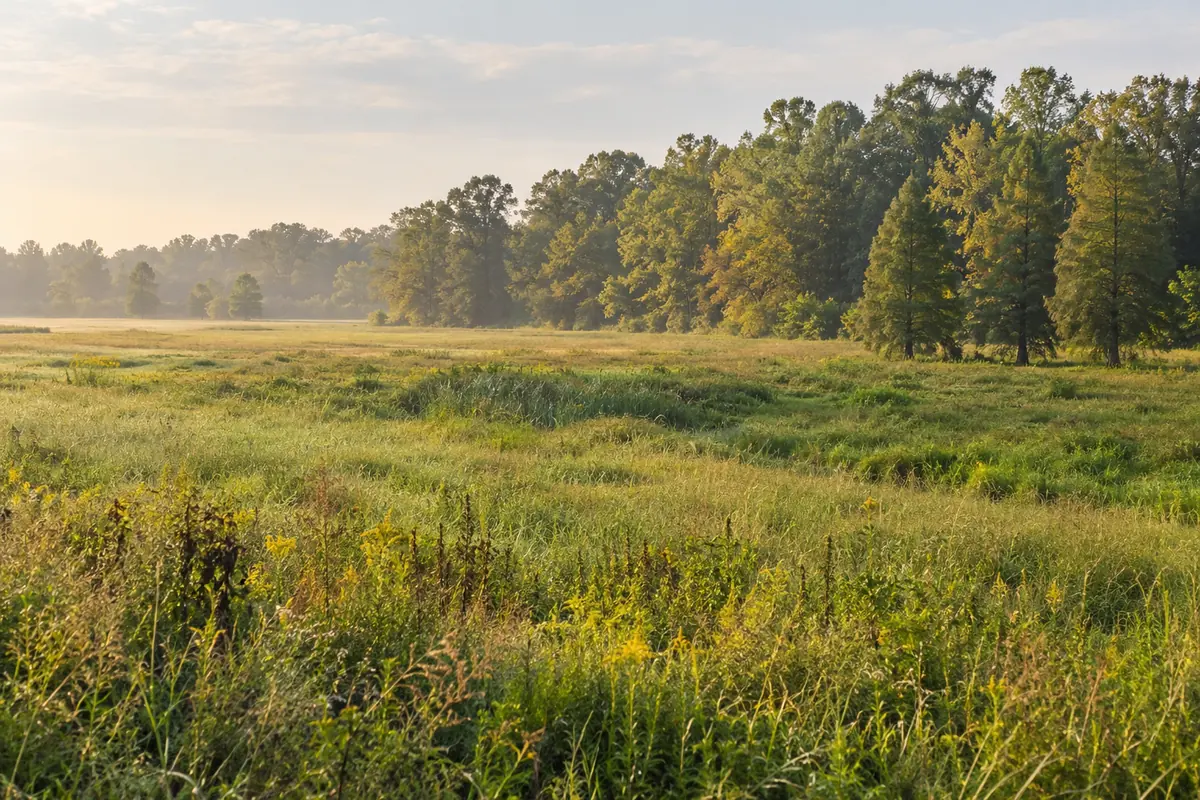
The county profile describes flat Delta farmland and the Mississippi River along the eastern boundary. It also describes wooded areas and nearby lakes and waterways. Use that setting to choose better matches. A working field, wooded tract and smaller Helena lot may serve different needs even when the acres look similar.
For farmland, gather any farm lease and explain who uses the ground now. Note when the agreement ends, who owns a growing crop and which equipment or buildings stay. Ask the people helping with your sale how to handle those items before promising a buyer an empty field. Our farmland seller guide helps you gather useful details.
Show the field entrance and routes used by farm equipment. Note gates, narrow turns, bridges and any places you know get soft. Explain which roads cross other land and gather any written road agreement. A track shown on a map does not prove a right to use it.
Show known wet spots, ditches and drainage work. Drainage is how water leaves the land. Gather any written drainage agreement, repair record or bill you have. Tell buyers what you know about upkeep and what still needs checking. Flat ground can have low areas; compare usable ground rather than assuming every acre works the same way.
If there is irrigation, explain what works now and what is included. Irrigation is a system that brings water to crops. List any well, pump or pipe separately from nearby water or power lines. Gather service records and written water-use agreements you have. Ask for help checking unclear rights before promising them with the land.
For woods, share any tree estimate, lease or agreement to cut trees. Note recent cutting and show the present ground. Have those papers reviewed before promising that all standing trees come with the sale.
For land near water, show the actual boundary and route to it. Being near the Mississippi River, a lake or public recreation area does not prove that shore access, a boat launch or a right to cross other land comes with the sale. Show wet areas you know about and choose sales with similar water and road access.
Write down each sale date and what was included. Count a deal once if several pieces sold together. An asking price is what a seller wants. It is not proof of what a buyer paid. Our land value guide helps you organize good comparisons.
List with a land agent. Ask how they would price and market your land, what the fee is, and how long the listing lasts. Check whether they have worked with land like yours. They can help handle calls, visits and offers.
Sell it yourself. You arrange the ad, answer questions, show the land and review offers. Prepare good photos and clear directions. You may still want help with the sale agreement and closing.
Compare a direct offer. A buyer who buys from you directly gives you another choice. Compare the price, costs and terms with your goals. You can turn down an offer.
You do not have to choose Reelvest to use this guide. If you’d like a direct offer to compare, tell us about your land. We’ll review the details and let you know whether we can make one.
Read the price, deposit, costs you pay and planned closing date. Ask what the buyer still needs to check and what would let them cancel. Make sure each offer covers the same land and items.
For example, $60,000 minus $5,000 in seller costs leaves $55,000 before loans or unpaid taxes. A $58,000 offer with $1,000 in those costs leaves $57,000 before those balances. These are examples, not Phillips County land prices.
The state county page links to the Phillips tax payment portal. Check that the page says Phillips County. Choose NEXT to reach its search page. The Name / Address Search uses First Name and Last Name or Business Name. Its Street Number or PO Box Number field refers to the taxpayer’s mailing address, where the tax statement is sent. That may differ from the land’s address.
The portal also has Parcel and Taxpayer ID choices. Start with the detail you know. Match the owner and land before treating a result as yours. Keep each piece’s bill with its deed and land record. Check the tax year on a bill or receipt.
The state, linked portal and county association list the collector at 870-338-5580. The state lists the office at 620 Cherry Street, Suite 102, Helena, Arkansas 72342. The portal also lists 620 Cherry Street. The county association lists mailing P.O. Box 450, Helena, Arkansas 72342. Call to confirm where to visit or where to send papers.
Ask what is owed now on the land you want to sell, including any unpaid earlier year. An old bill or one payment receipt may not show every current balance. Share confirmed balances and any loan statement with the closing team, and ask how they affect the money you keep.
Ask for a written estimate of the money you would keep. Read the deadlines and ask what could change them. Use our offer comparison worksheet to compare the full deals.
Closing is when the sale papers are signed and the agreed payment is handled. Ask who is arranging it and what they need from you. Give them the owner names, written land descriptions and papers you found. Tell them about any loan, lease, shared owner or road question.
Read the agreement and ask about anything that is unclear. Check that it describes the right pieces and items. Before signing the final papers, review the costs and payment amounts. If more than one owner must sign, ask how to arrange that.
Before sending bank details or money, call the closing office using a number you already trust. Confirm the instructions with that office. Keep copies of the signed papers and your payment record. You don't need to have every answer today; a clear set of notes makes the next step easier.
Call the assessor at 870-338-5535 with the owner name, tax bill and land ID if known. Ask how to find the land record and get a copy for the piece you want to sell.
The state-linked department URL did that when reviewed. Use the listed assessor number, 870-338-5535, and explain what record help you need.
Start with the Circuit Clerk at 870-338-5515. The court directory and county association list 620 Cherry Street, Helena, Arkansas 72342. Ask how to find a recorded deed, what a copy costs and how to receive it.
Its Street Number or PO Box Number field uses the taxpayer’s mailing address, where the tax statement is sent. Call the collector at 870-338-5580 for a current balance or unclear item.
Gather the lease, crop and equipment details, road papers and any drainage or water-use agreements you have. Ask the people helping with your sale to check what stays and when the buyer can use the ground.
Yes. If you are helping settle a loved one’s estate, start with the papers you have. A title company or real estate attorney can explain which papers and signatures are needed.
No. You can list with an agent, find a buyer yourself or compare a direct offer. Choose the route and terms that fit your goals.
Local source links reviewed October 11, 2026.