
Start with a tax bill or deed and a few notes about your land. Then work out a price, choose how to find a buyer, and compare the offers. You can start even if some papers are missing.
Tell us about your land. There’s no obligation to accept an offer.
Start with what you know. These steps will help you get ready and choose the way to sell that fits you.
Find a recent tax bill, deed or old purchase papers. Write down the location, acres if known, and who else owns the land with you. A deed is the paper that records a transfer of land.
If you own several pieces, list each one. Say whether you want to sell them together or keep part. List any cabin, shed, fence or other item that comes with the sale.
Think about what matters most to you. Is it the price, less work, or a sale around a certain date? This will help you choose between listing with an agent, selling yourself and taking a direct offer.
You don't have to find every old paper before you ask for help. Start with what you have and make a short list of what is missing.
Check the county name on your tax bill first. Conway County's offices are in Morrilton. A street address that says Conway does not, by itself, mean the land is in Conway County.
The Conway County Assessor page links to real estate records. The office phone is 501-354-9622. Ask for help finding the land record if you don't know the number.
A parcel number is the number used for a piece of land in the county's records. Match that number, the owner's name, the acres and the written land description to your papers. Don't use a nearby home's address as a guess for empty land.
If two records look similar, stop and ask which one is yours. A mailing address may be where tax notices go, rather than where the land sits. A county map helps you find the area, but it does not mark exact boundaries on the ground.
Save a copy of the record for your notes. You can use the guide to finding land without a street address if you're starting with very little information.
The Conway County Circuit Clerk records deeds, mortgages and liens. A lien is a claim tied to money owed. Call 501-354-9617 to ask how to find a missing recorded land paper.
Have the names, dates, and any book, page or record number ready. Ask what the copy costs and whether the people handling your sale need a certain kind of copy. A court case search is not the same as a deed search.
Keep your old survey, loan statement, leases and written road agreements together. A survey is a measured drawing of the boundaries. If you can't find one, ask whether your sale needs a new one before you pay for it.
The county's Collector page is a starting point for property tax questions. Have your bill ready and ask how to check the current balance. Keep any loan balance separate; the closing team can explain what comes out of your payment.
If you're handling inherited land or helping settle a loved one's estate, start with the papers you have. Ask a title company or real estate attorney which papers are needed and who must sign. The seller document checklist can help you get organized. Keep private family and loan papers out of a public ad.
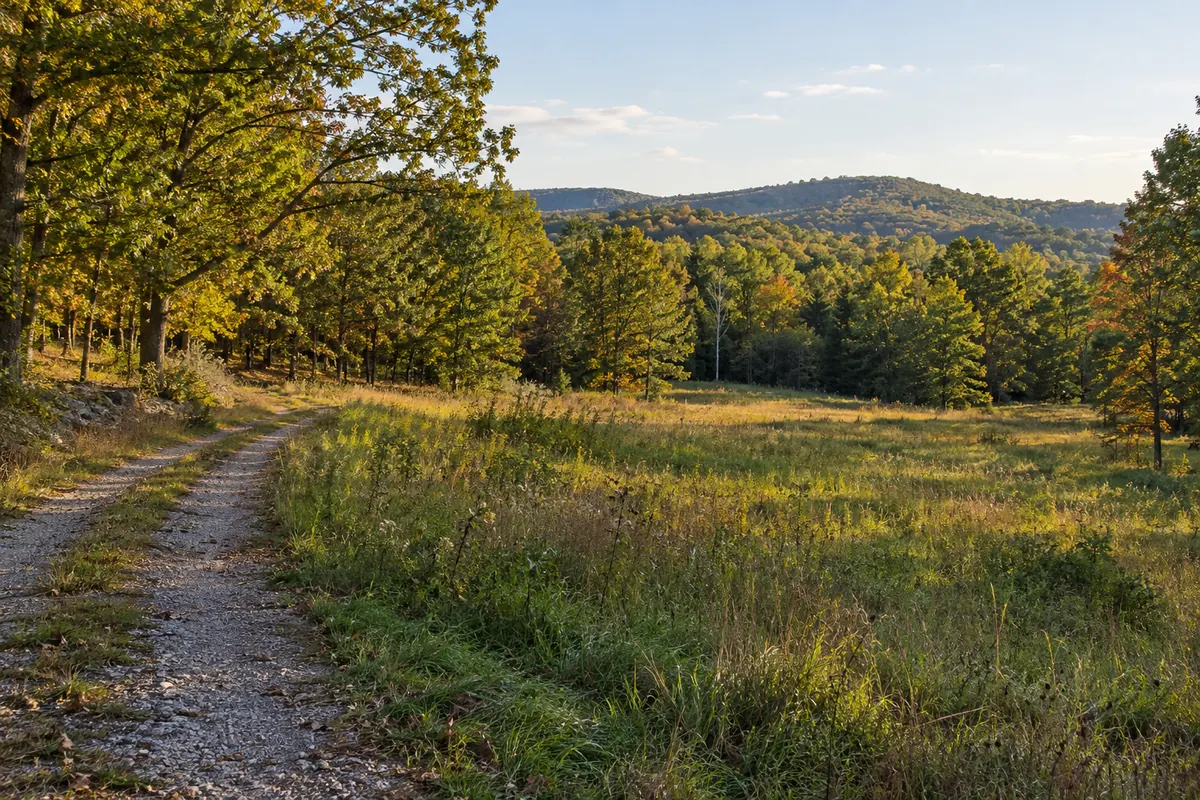
Take clear photos of the entrance, open areas, woods and slopes. Show the land as it is today. Include any building or other item that comes with it. You don't need to make the photos look like a real estate magazine.
Conway County includes farmland and wooded hills. Buyers may compare a level field with very different land on a ridge. Explain what is on your piece rather than using broad claims about the whole county.
Write simple directions from a road you know. Say where the entrance is, whether there is a gate, and who can give permission to enter. Gather any written agreement that lets you cross a neighbor's land. A line on a map does not settle road rights.
Describe water and power that work now. If lines are only nearby, say that. Don't promise a buyer can build a home or divide the land into lots unless that has been checked for the exact location.
If someone rents the ground, hunts there or has rights to cut trees, keep the agreement handy. Tell the buyer what is included and what belongs to someone else.
If your ad mentions Petit Jean Mountain or the Arkansas River, explain the actual connection: location, view or a feature on your land. Being nearby does not give a buyer river access or land inside a park.
Ask a land agent or appraiser who knows your part of Conway County for recent completed sales that a buyer would compare with yours. Ask how the sale prices were checked and what that help costs.
Look for similar acres, road access, slopes and working services. A small lot with water and power is a different choice from a large wooded piece. A sale that includes a house should not set the price of your empty land without a closer look.
Keep each sale's price, date, acres and included items together. If several parcels sold in one deal, don't give one parcel the whole sale price. Count the deal once, even if it appears on several websites.
For example, compare two 20-acre pieces by what a buyer can use. One may have an easy entrance and open ground. The other may have steep slopes and a road question. The same acreage does not make them equal.
An asking price is what someone hopes to get. It is not proof of what a buyer paid. The county tax value serves another purpose too. If good matches are scarce, ask for a range and what could change it. Read more in our land value guide.
Use a land agent. An agent can help with the price, listing, questions, visits and offers. Ask about the fee, how long the listing lasts, and experience with land like yours.
Sell it yourself. You handle the ad, calls, showings and offers. Be ready to answer questions and arrange safe visits. You may still want help with the sale agreement and closing.
Compare a direct offer. A direct buyer gives you another option to consider. Compare the written price, costs and terms with your goals. You can turn down an offer.
Whichever route you choose, have a short description, current photos and a clear way to find the land. Share private papers only with the people who need them for the sale. If you'd like a direct offer from Reelvest to compare, tell us about your land.
Ask for the offer in writing. Check the price, any deposit, costs you pay, and what lets either side cancel. Find out whether the buyer still needs a loan, a survey or more checks.
A $30,000 offer with $2,000 in seller costs leaves $28,000 before any loan or tax balance. A $29,000 offer with $500 in those costs leaves $28,500 before those balances. These are examples, not Conway County price estimates.
Ask the people handling the sale for an estimate of the money you keep. Check the fee for an agent, closing costs, loan payoff and unpaid taxes. Don't assume the buyer pays a cost unless the agreement says so.
Read the deadlines too. Ask what could change the closing date and what happens if a check takes longer. Use the offer comparison worksheet to put the offers side by side.
Closing is when the sale papers are signed and the agreed payment is handled. Ask who is arranging it, what they need from you, and when to expect the next update.
Give the closing team the land description, owner names and the papers you found. Tell them about any loan, lease, shared ownership or road question. Ask them to explain anything you don't understand before signing.
Check that the agreement and deed describe the pieces you mean to sell. Review the final list of costs and payment amounts. If several owners need to sign, ask how to arrange it.
Before sending bank details or money, call the closing office using a number you already trust. Confirm the instructions with that office. Keep copies of the signed papers and your payment record.
You don't have to solve everything alone. A clear set of notes and honest answers help the people working on your sale find what still needs checking.
Yes. Start with a tax bill, deed, parcel number or directions. Conway County's Assessor can help you find the right land record. Don't guess a nearby home's address.
No. Check the county name on your land papers. Conway County's offices are in Morrilton. The name in a mailing address alone is not enough to choose the right county records.
Start with the Conway County Circuit Clerk at 501-354-9617. Have the names, dates and any record numbers ready. Ask how to find the recorded land paper and what a copy costs.
Not every sale needs the same papers. Find any old survey first. Then ask your agent or closing team whether a new survey is needed for your piece and who would pay for it.
Compare recent completed sales of similar land. Check the acres, roads, slopes, services and included items. A local land agent or appraiser can help explain why one sale is a better match than another.
Start with the papers you have. If you're helping settle a loved one's estate, ask a title company or real estate attorney who needs to sign and which papers are still needed. You don't need to share private family papers in a public listing.
No. This guide can help whichever way you choose to sell. If you want a direct offer to compare, tell Reelvest what you know about your land. You decide whether an offer fits your goals.
Local source links reviewed October 8, 2026.