
To sell your Maricopa County land, gather the location and papers you have, choose a price, and decide how to find buyers. Start with your tax bill or parcel number. Before promising what a buyer can do with the land, find the right office for that location and note what still needs checking.
Tell us about your land. There’s no obligation to accept an offer.
Start with what you know. These steps will help you get ready and choose the way to sell that fits you.
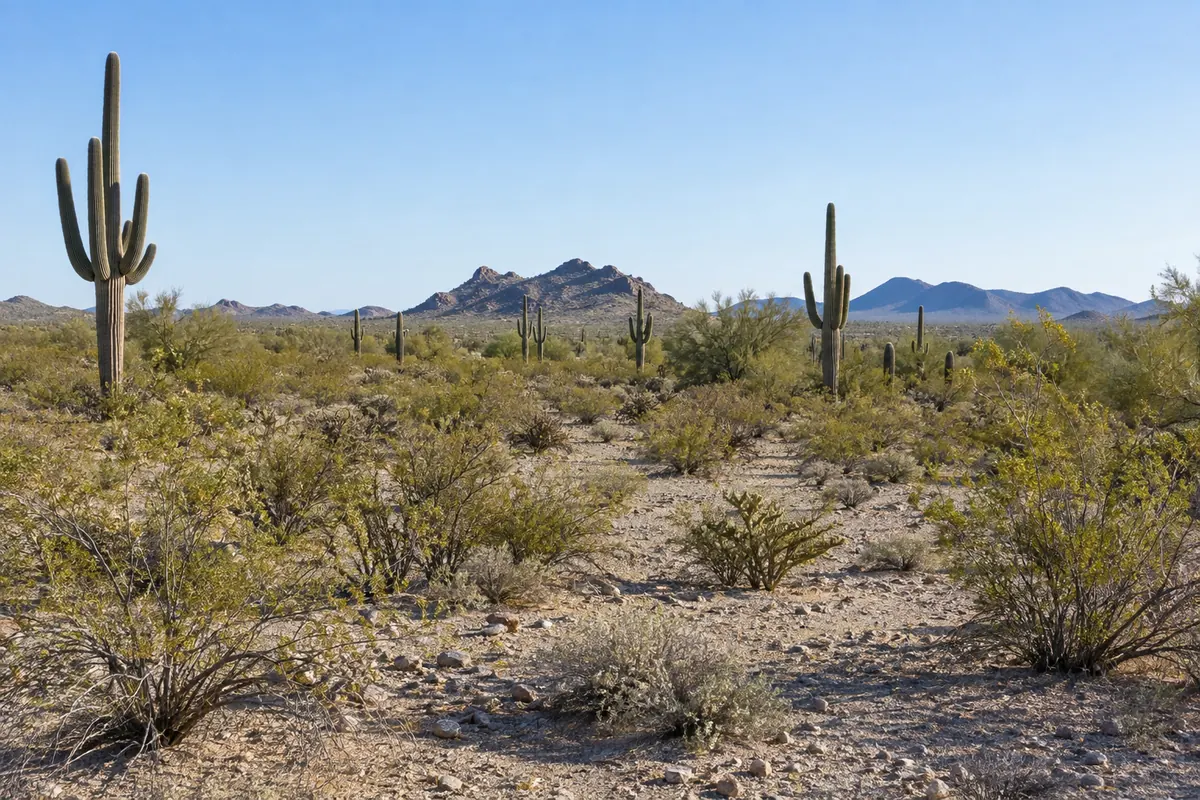
Start a folder with your tax bill, deed, and any survey you already have. Add the parcel number, nearest road, size if known, and clear photos. The county calls the parcel number an APN, short for Assessor’s Parcel Number. It’s an ID for a piece of land.
If you own several lots, list each APN you want to sell. Keep the numbers beside a map or location note so a buyer knows what is included.
Write down how you get there. Is the entrance on a road, along a shared drive, or across someone else’s land? Keep any written access agreement. A path you can see and a right to use it are different questions.
Note what is there now: open ground, plants, buildings, or connected services. Keep any loan statement, lease, or neighborhood rules with your papers. It’s fine to say you don’t know about water, septic, or power.
You don’t need to clear the land, build a driveway, or buy a new survey before you begin. Ask what specific question the work would answer first.
The Maricopa County Assessor’s search guide explains searches by parcel number, owner name, or address. You can enter the APN with or without dashes. For an owner-name search, use the full name rather than a shortened first name.
Start with the assessor’s website. Check a result against the deed, nearest road, and land you know. A tax mailing address may be where the bill goes, not where the property is.
For empty land without an address, use the APN and a map pin together. If an address search fails, the county suggests trying the street number, direction, and name without the street type.
If an old APN won’t return a result, ask for help before choosing a nearby lot. The search guide says a parcel may have been split or combined. The assessor lists 602-506-3406; explain which number you have and ask about its history.
Save the record with its year and note whether the value includes buildings. It helps identify the property; it isn’t a buyer’s offer or a full ownership check.
The Maricopa County Recorder’s Document Search helps find recorded deeds. The recorder’s instructions say to search by last and first name, with dates if you know when the paper was recorded. For land held in a trust or business, try its name in the Business Name section.
Once you find the right document, the instructions describe viewing an unofficial copy under Pages. Ask the closing team which type of copy they need before buying one. If you need help finding it, the recorder lists 602-506-3535.
Finding a deed copy isn’t a full check of ownership or claims against the land. Ask the closing team who does that check. The recorder says it cannot give legal advice or prepare your sale papers.
If you’re helping settle a loved one’s estate, begin with the deed and estate papers you have. An attorney or the closing team can explain who needs to sign and which papers are still needed.
When a buyer asks about a home, driveway, or another use, start with the land’s location. Don’t assume a city in the mailing address settles which office handles the question.
The county’s City Limits/Road Information page links to a map of city boundaries. Use it as a starting guide, then ask the planning office to confirm which area covers your APN.
Maricopa County Planning & Development serves unincorporated land—land outside city and town limits. It lists 602-506-3301. If your land is within a city or town, ask that local planning office instead. Have the APN ready and ask where to start if you’re unsure.
You don’t need to get a buyer’s future project approved before listing. Gather existing permit papers and describe what is known. Say a use is unconfirmed when you haven’t checked it.
For water or power, distinguish a service already connected from a line or pipe nearby. Keep any provider letter, well paper, or septic record you have. Ask the relevant provider or office about an unanswered question rather than promising a connection.
Ask an agent who sells land locally for a few completed sales. Match the kind of property before comparing acres. A small lot with connected services may be a poor match for a larger desert tract.
Compare the entrance, location, useful ground, buildings, and services. Ask whether a sale included a house or several parcels. The amount paid for a property with a house may tell you little about empty land.
Keep completed sales separate from active asking prices. An asking price shows what a seller hopes to get; a completed sale shows what a buyer paid.
Use the tax record as background, with its year and any included buildings. Don’t multiply an area’s average price per acre by your acreage without checking whether the land is a useful match.
If an access or service question is still open, note it beside the comparison. You can discuss an asking range while you seek answers. If you need a written value opinion, ask a land appraiser what they would review and what it costs.
You have a few ways to sell. Compare the work, costs, and written terms of each:
For a useful listing, include the parcel number, nearest road, size if known, and clear photos. Show the entrance and ground as well as the view. Describe a shared drive or unanswered access question.
Give visitors a safe route and tell them which gates to use. Arrange visits with anyone who uses the land. A map pin alone may not show how to reach the entrance.
Say what you know about services and share any existing permit papers. Don’t promise a buyer can build or connect services when you haven’t checked. You don’t need to plan their project to start selling.
If you’d like a direct offer to compare, tell Reelvest about your land. We’ll review it and let you know if we can make an offer. You decide whether it fits.
Get the offer in writing. Check that it covers the right parcel or lots. Ask who pays the agent fee and closing costs, and what loan or tax balance may come out of your payment.
For example, a $30,000 offer with $2,000 in seller costs leaves $28,000 before any loan or tax balance. That’s a comparison example, not a price estimate for your land. Use our land offer worksheet to compare the actual numbers.
Ask what the buyer still needs to check, when they can cancel, and what happens to the deposit. A cash offer can still have conditions.
Find out who handles closing, the target date, and what could change it. If an access, lease, or ownership question is still open, ask who will help resolve it.
You can compare another offer or another way to sell before you decide. Ask for a clear explanation of any term you don’t understand before signing.
Closing is when the sale papers are signed and payment is handled. Ask the person handling it for a short checklist and a list of steps still open.
Keep your deed, tax bill, loan statement, lease, and access papers ready. Share any notice about the land and ask how it affects the sale.
For tax-payment questions, the assessor’s tax help page directs owners to the Treasurer at 602-506-8511. The assessor does not collect property taxes or have your payment details.
Ask the closing team to check current balances rather than treating an old bill as the final amount. Ask how a loan or unpaid tax bill will be handled.
For inherited land, begin with the estate papers you have. An attorney or the closing team can explain missing records and signatures. It’s okay to ask for help before you know every answer.
Before signing, check the right parcels, price, costs, and money you receive. Ask how payment details will be confirmed. Save the signed agreement and closing papers.
Our land seller document checklist can help you get ready. You can also read the Arizona land seller guide.
Yes. Start with the location, tax bill or APN, and papers you have. Ask the recorder about a missing deed copy. Ask the closing team whether a new survey is needed for a specific question before paying for one.
It means Assessor’s Parcel Number, the county’s ID for a piece of land. Keep each APN beside its location if you own several lots. Check any search result against your deed and the land you know.
The assessor’s search guide says a parcel may have been split or combined. Ask the office for help with the number’s history instead of guessing which nearby parcel is yours.
Start with the location and APN. County Planning and Development serves unincorporated land outside city and town limits. For land within a city or town, ask that local planning office. Have the office confirm where your parcel falls.
No. Ask the closing team who checks ownership records and any claims against the land. A recorded copy helps you gather papers, but it isn’t the whole check.
No. Ask questions and compare it with listing the land or finding a buyer yourself. You decide whether the written terms work for you.
Local source links reviewed October 4, 2026.