
Find a deed or tax bill, check the land record and write down what is included. Gather useful photos, compare prices and choose how to sell. Sitka’s Assessing page links to a tax roll and parcel map, and the state can help you find a recorded deed.
Tell us about your land. There’s no obligation to accept an offer.
Start with what you know. These steps will help you get ready and choose the way to sell that fits you.
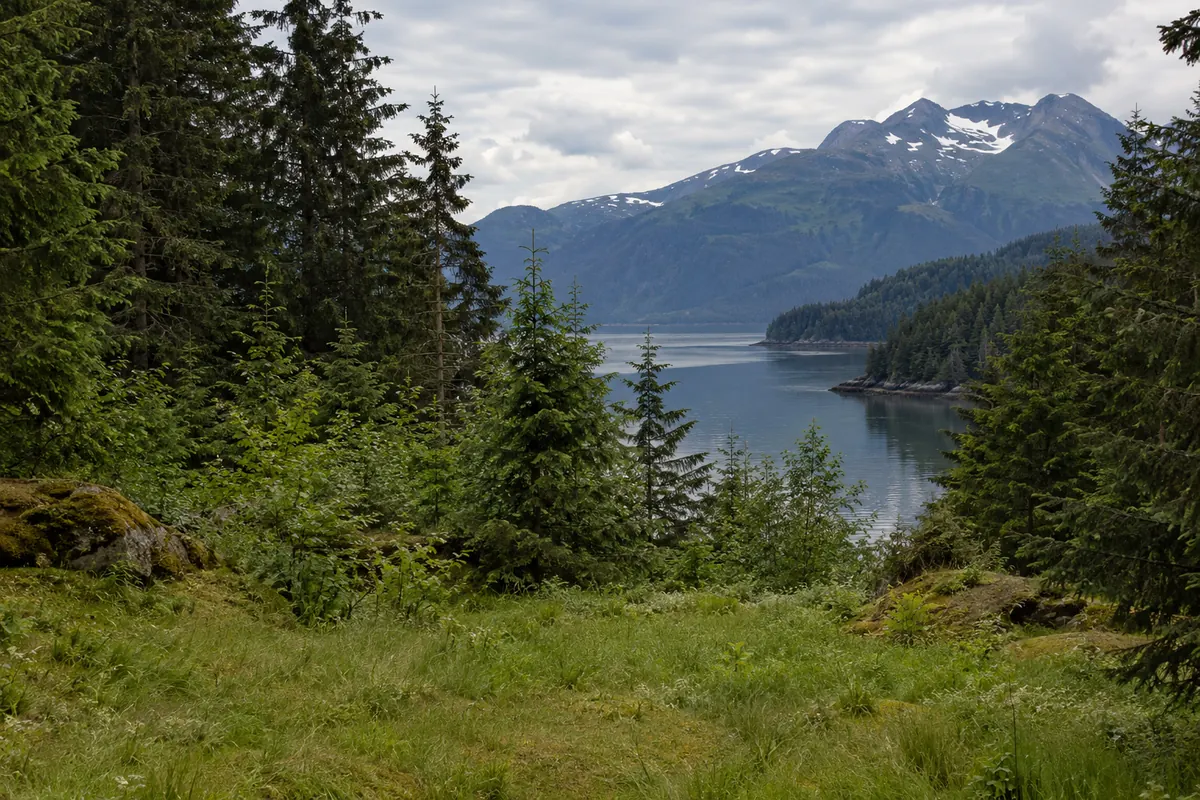
Find a deed, tax bill or old survey. Write down the acres if known and land description. That description tells one piece from another. It may use a lot and block, subdivision name or a longer written description.
Keep your parcel number with your notes. It is the local number for a piece of land. Empty land may not have a street address, so don’t guess one. Use the number and papers you have.
List each piece and any cabin, shed or other items included. Say if you want to keep part or remove something shown in a photo. Think about your goal: price, less work or a sale around a certain date.
The Sitka Assessing Department page links to a tax roll and the Sitka GIS Page. A tax roll is a list of properties used for taxes. GIS is a map tool that helps you find a piece of land. Use those official links rather than an old third-party directory.
The department says it keeps ownership, address, assessed value and legal land descriptions. Compare the record with your deed or bill. A parcel number is the local number for a piece. Keep that number handy, especially if empty land has no street address.
If you cannot find your piece or a detail looks wrong, call Assessing at 907-747-1822. Ask what they need to find the record or explain a correction. You can ask for help without knowing every search term.
A tax value is different from a buyer’s offer. A parcel map helps find the land but does not prove an exact boundary or a right to cross another piece. For a current tax balance, ask which office handles bills. Keep any loan, lease or shared fee with your papers.
The Alaska Recorder’s Office lists searches by name, document number, book and page, plat and survey. A plat is a drawing that shows lots. Start with owner names and record numbers from papers you have.
The Anchorage office’s community list places Sitka and Goddard in the Sitka recording district. A recording district is the area used to organize recorded papers. Use Find Your District if the location is unclear. The office page lists 907-269-8876.
Ask how to find a deed, get a copy and check its cost. Keep the nearest community, land description and approximate purchase year handy. Ask what you can do from home.
Gather any survey—a measured drawing of boundaries—along with loan details, leases, lot rules and written access agreements. A deed copy alone is not a full check of ownership or other claims.
If you’re handling inherited land or helping settle a loved one’s estate, start with what you have. Ask a title company or real estate attorney who needs to sign and which papers are missing. Our land seller document checklist can help. Keep private family and loan papers out of a public ad.
Give buyers dated photos and directions from the nearest road or arrival point. Show the entrance, open ground and any buildings included. Say who can give permission to visit and where a visitor could park or meet someone.
Explain the route you have used. Is the piece reached from a road, or does a visitor need a boat and a place to land? If part needs a walk after arrival, say so. A nearby road, dock or beach does not prove a buyer can use it. Keep any written access agreement with your papers.
Show slopes, wet areas and rough ground you know about. Say which power, water or other services work on the piece now. A nearby line is different from a working connection. A water view is different from a way to reach the shore.
If you live away, start with photos and records you have. Say when the photos were taken. Ask an agent or buyer what else they need before paying for a trip. Put unanswered questions on a list rather than guessing.
Ask a land agent or appraiser familiar with your part of Sitka for recent completed sales buyers would compare with yours. Ask how the prices were checked and what that help costs.
Compare location, acres, travel route, working services and included items. A road lot near town is a different choice from land that needs a boat trip. A water view is different from usable shore access. A sale with a cabin is different from empty land.
Keep the price, date, acres and included items together. If several pieces sold in one deal, check the whole deal before giving one piece a price. Count it once even if several websites show it.
An asking price or Borough tax value is not proof of what a buyer paid. If good matches are scarce, ask for a range and the reasons behind it. Our land value guide explains more price factors.
Use an agent: A land agent can help with pricing, ads, showings and offers. Ask about the fee, listing length and recent work with land like yours.
Sell yourself: You handle the ad, questions, visits and offers. You may still need help with the agreement and closing.
Compare a direct offer: A direct buyer may give you another choice without listing the land. Check the price and terms against your goals. You can say no.
Before arranging a visit, explain how to reach the land and who can give permission to enter. Keep private records out of the listing. Share needed papers with the people helping with the sale.
Get the offer and terms in writing. Check the right pieces of land are included. Ask who pays closing costs, any agent fee and other charges. Ask how a loan or unpaid taxes will be paid.
A higher price may leave you with less money if you pay more costs. For example, $30,000 less $2,000 in costs leaves $28,000 before a loan or tax balance. That is made-up math, not a price for your land.
Read the target date and what lets the buyer cancel or ask for a lower price. Ask who holds the deposit and what happens to it. Use our land offer worksheet to compare offers side by side.
If you’d like a direct offer to compare, tell Reelvest about your land. You decide whether an offer fits.
Ask who will handle closing—the final papers and payment. Have that person explain the land description, owners who must sign, costs and money you would receive.
Ask how any lease, road agreement or rules that came with the lot affect the sale papers. If a name or boundary is unclear, get help before signing. A target date does not mean all the checks are finished.
Confirm payment instructions with the closing office using a phone number you already trust. Keep copies of the signed agreement and final papers. Our Alaska land seller guide gives more general steps.
No. Start with the location and papers you have. Ask for help with missing information while comparing selling choices.
Start with the official Assessing Department page. Its Resources section links to a tax roll and the Sitka GIS Page. A map helps find land but does not prove a boundary or access right.
Sitka Assessing lists 907-747-1822. Have your parcel number or land description ready. Ask what the office needs to find the record or explain a correction.
A tax value is not proof of what a buyer will pay. Compare recent completed sales with similar location, access, acres, working services and included items.
Start with Alaska’s Recorder. The state community list places Sitka and Goddard in the Sitka recording district. The Anchorage office lists 907-269-8876 for help with a copy.
Gather what you have. Ask a title company or real estate attorney who needs to sign and which papers are missing.
No. Use these steps with an agent, your own buyer or a direct offer. You can ask Reelvest for an offer to compare if you want.
Local source links reviewed October 7, 2026.