
Gather a tax bill or deed, write down what you want to sell and compare prices. You can use an agent, sell yourself or ask for a direct offer. St. Clair County lists Revenue and Probate offices in both Ashville and Pell City. Check which office fits your question before making a trip.
Tell us about your land. There’s no obligation to accept an offer.
Start with what you know. These steps will help you get ready and choose the way to sell that fits you.
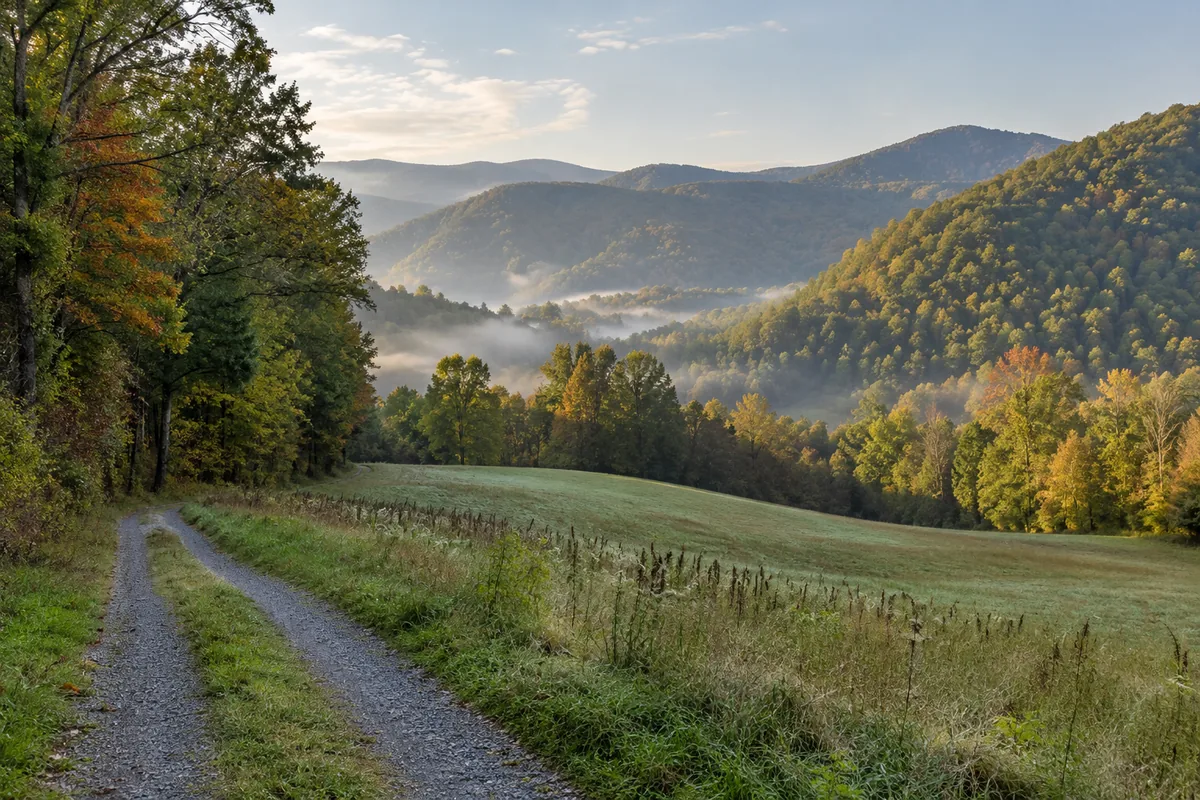
Find a recent tax bill, deed or old survey. Write down the land number, acres if known and nearest road. A land number helps tell one piece from another. Empty land may not have a street address.
List all the pieces you want to sell and any building, fence or other item included. Say if you want to keep part. If you live far away, start with papers and dated photos at home. You don’t need to visit before asking questions.
Think about what matters most: price, less work or a sale around a certain date. Keep that goal in mind as you compare your choices.
Find the parcel number on your tax bill. That is the county’s number for a piece of land. Check the location and acres against your papers. Use St. Clair County, Alabama records; other states have counties with the same name.
The county Revenue page links St. Clair County Maps and View & Pay Property Tax. Start with those county links. Keep your tax bill or deed handy when checking details.
The page lists two Revenue offices:
Ask which office can help with your land record or current bill. Confirm the city and suite before a visit. A mailing address on an old paper is not always the office you need.
A tax value is different from the price a buyer will pay. A tax record is different from a recorded deed. A map does not settle an unclear boundary or prove a right to cross a neighbor’s piece. Keep any survey or written road agreement with your notes.
Gather your deed, tax bills, survey, loan details and any lease. A survey is a measured drawing of the boundaries. Add written road agreements and any rules or fees that came with a lot.
For help finding a recorded deed or getting a copy, start with the county Probate page. Its offices have different suites and phone numbers from Revenue:
Have owner names, an approximate purchase year and any book and page or document number ready. Ask which location handles the record you need, how to get a copy and what it costs. If you live away from the land, ask what can be handled from home.
A deed copy is not a full check of ownership, loans and other claims. If you’re handling inherited land or helping settle a loved one’s estate, gather what you have. Ask a title company or real estate attorney who needs to sign and which papers are missing. Our land seller document checklist can help. Keep private family and loan papers out of a public ad.
Give buyers dated photos, directions and a short description from facts you know. Mark questions you still need to answer. Explain how to arrange a safe visit.
Show the entrance, where a vehicle can park and the route into the land. Say who can unlock a gate. For sloped ground, show the tracks and flatter areas as well as the view. For open land, show fences, gates and any buildings included. Note rough or wet stretches you know about.
Say which power or water connections work now. A nearby line is different from a working connection. Don’t promise a home site just because a patch looks flat. Gather any past permit or site paperwork and say what still needs checking.
If the route crosses a neighbor’s piece, keep any written road agreement handy. A visible track is not proof that a buyer can use it. For a smaller lot, gather written rules and shared-road fees.
List the pieces and items included. Say if you plan to keep or remove anything in the pictures. Gather any farming, hunting or tree-cutting agreement, explain the current use and ask how a sale affects when a buyer can take over.
Ask a local land agent or appraiser for recent completed sales that buyers would compare with yours. Ask how the prices were checked and what that help costs.
Compare similar size, ground, road access and included items. A roadside lot can be a poor match for wooded acreage reached by a shared route. A sale with a home or buildings is different from empty land.
Keep each sale’s price, date, acres and included items together. If several pieces sold in one deal, check the whole deal before assigning a price to one piece. Count it once even if several websites show it.
An ad shows an asking price, not proof of what was paid. A tax value is different too. If good matches are scarce, ask for a range and the reasons behind it. Our land value guide explains more price factors.
Use an agent: A land agent can help with pricing, ads, showings and offers. Ask about the fee, listing length and recent work with land like yours.
Sell yourself: You handle the ad, questions, visits and offers. You may still need help with the agreement and closing.
Compare a direct offer: A direct buyer may give you another choice without listing the land. Check the price and terms against your goals. You can say no.
Before arranging a visit, explain how to reach the land and who can give permission to enter. Keep private records out of the listing. Share needed papers with the people helping with the sale.
Get the offer and terms in writing. Check the right pieces of land are included. Ask who pays closing costs, any agent fee and other charges. Ask how a loan or unpaid taxes will be paid.
A higher price may leave you with less money if you pay more costs. For example, $30,000 less $2,000 in costs leaves $28,000 before a loan or tax balance. That is made-up math, not a price for your land.
Read the target date and what lets the buyer cancel or ask for a lower price. Ask who holds the deposit and what happens to it. Use our land offer worksheet to compare offers side by side.
If you’d like a direct offer to compare, tell Reelvest about your land. You decide whether an offer fits.
Ask who will handle closing—the final papers and payment. Have that person explain the land description, owners who must sign, costs and money you would receive.
Ask how any lease, road agreement or rules that came with the lot affect the sale papers. If a name or boundary is unclear, get help before signing. A target date does not mean all the checks are finished.
Confirm payment instructions with the closing office using a phone number you already trust. Keep copies of the signed agreement and final papers. Our Alabama land seller guide gives more general steps.
No. Start with the location and papers you have. Ask for help with missing information while comparing selling choices.
The St. Clair County Revenue page links county maps and View & Pay Property Tax. Use Alabama records and check the land number, location and acres against your papers.
Revenue lists Ashville at 205-594-2160 and Pell City at 205-884-2395. Ask which office can help with your land record or current bill and confirm the city and suite before visiting.
Start with Probate: Ashville at 205-594-2120 or Pell City at 205-338-9449. Ask which location handles the record you need. Have owner names and any book and page or document number ready.
No. Gather any past permit or site paperwork and say what still needs checking. Show flatter areas in your photos, but don’t promise a home site based on appearance alone.
Gather what you have. Ask a title company or real estate attorney who needs to sign and which papers are missing.
No. Use these steps with an agent, your own buyer or a direct offer. You can ask Reelvest for an offer to compare if you want.
Local source links reviewed October 7, 2026.