
Start with the land’s location, your tax bill or deed, and what you know about the property. Check the questions buyers will ask, choose how to find a buyer, and compare written offers. You can start before every missing paper is found.
Tell us about your land. There’s no obligation to accept an offer.
Start with what you know. These steps will help you get ready and choose the way to sell that fits you.
Find a recent tax bill. Write down the owner name, parcel number and acres. A parcel number is the ID used for a piece of land in county records. It can be more helpful than a street address for empty land.
Gather these items if you have them:
Don’t worry if the folder is incomplete. Make a list of gaps. Our land seller document checklist can help. Ask the agent, buyer or closing office what this sale needs before paying for new work.
The Franklin County Revenue Commissioner website links to Property Search & Pay and County Maps. It lists 256-332-8831 for property questions. Start there if you can’t match the tax record to your land.
Compare the parcel number, location and acres with your papers. If you plan to sell several parcels, list each number. If you’re only selling part of a larger property, make that clear before using its full acreage in an ad.
The state’s tax-map guide explains that parcel numbers identify land for tax purposes. A tax map helps you get oriented. It doesn’t replace a measured survey or settle a disputed boundary.
Save a map and note any difference between it, the deed and tax bill. For land without a street address, share the nearest road and parcel number. Don’t make up a house number just to fill a listing box.
A deed records a land transfer. If you can’t find yours, the county’s department directory lists the Probate Office. Call 256-332-8801 and ask how to locate the recorded deed. The directory says copies can be sent by mail or email; ask which copy you need and the current cost.
Have the owner name, parcel number and any old document number or date ready. If the land came through family, an older owner name may help the search. Ask what other details the office needs.
A deed copy helps fill your folder. The title or closing office still checks ownership and recorded claims for the sale. A map or tax bill alone doesn’t answer every question about who must sign.
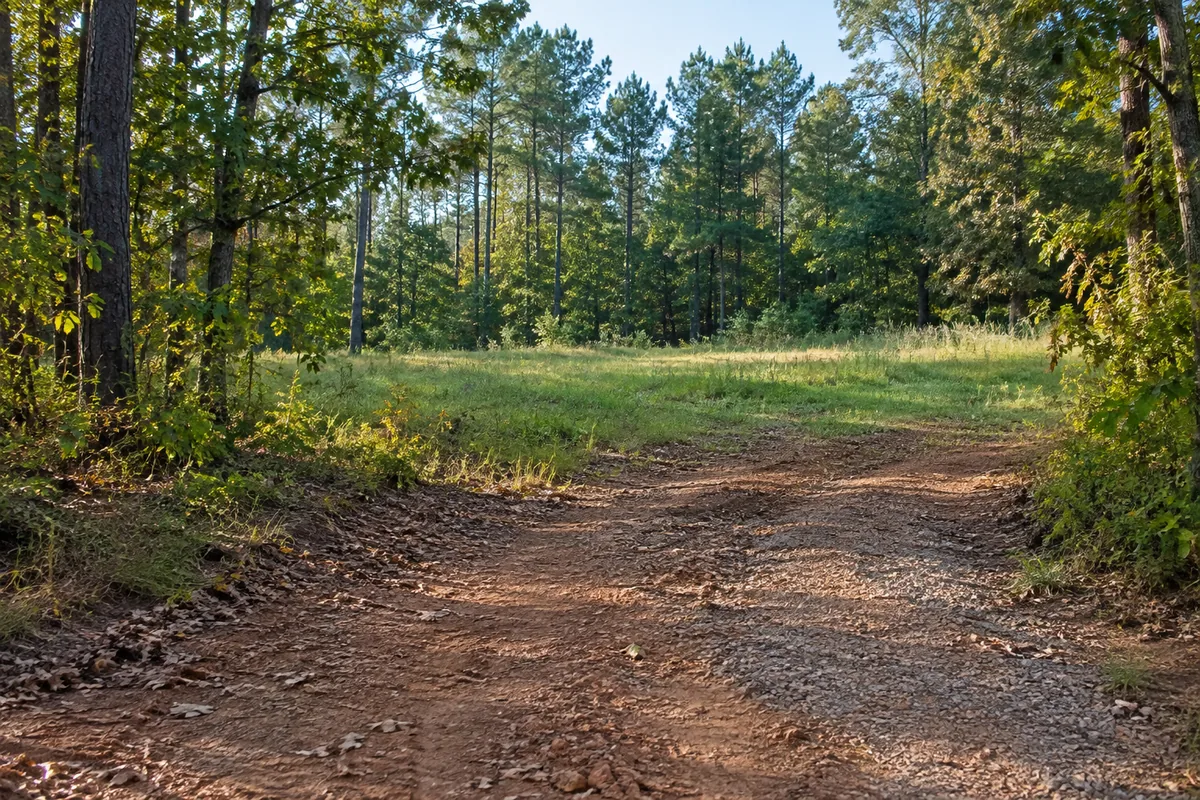
Take clear photos of the entrance and route to the property. Say whether it is a public road, private lane or a path across another owner’s land. Gather any written right to cross that land.
If there’s a shared drive, note what you know about upkeep, gates and permission to use it. Don’t promise legal access just because a track is visible. Share the papers you have and ask the closing office what needs checking.
For county-road questions, the Highway/County Engineer listing gives 256-332-8434. Ask whether it handles the road and what to check for a proposed entrance. A city street, state highway or private road may need a different contact.
Electric lines nearby aren’t the same as a connected service. Ask the provider about availability and costs before calling the land ready for utilities. Give buyers the answers you have, not a guess about the cost to build.
A buyer may want a home, shop or cabin. Share any old permit, soil report or well paper, but don’t call the land ready to build based only on a nearby house.
Write down the plan a buyer wants to check. Is the land inside a city or outside it? Start with that city for city land, or ask the county which office handles the planned work. The county department directory is a useful starting point.
Useful questions include:
You don’t have to plan a buyer’s home for them. The goal is a clear list of known facts and open questions. Don’t assume the same rules or approvals apply to every parcel in the county.
A septic system treats wastewater on the property when a home isn’t connected to public sewer. If a buyer needs one, ask about existing records and the steps to check their proposed site.
The Franklin County Health Department says to call 256-332-2700 and ask for the Environmental Office for septic questions. Its physical address is 801 Highway 48, Russellville.
The department’s services page lists onsite sewage applications and permits, as well as private well water testing. Gather any soil report, septic drawing, permit, well record and water test you already have.
Alabama’s Soil and Onsite Sewage program covers design, permits, installation, approval and use of these systems. Ask the local office what an older paper shows and what is still needed. A soil report, permit and installed system are different things.
A seller can honestly say, “I have an older soil report, but a new home plan still needs checking.” That helps a buyer more than a promise that any house or septic system will fit.
Take photos that answer a buyer’s first questions. Show the entrance, open ground, trees, buildings and water if present. Say when older photos were taken. Mark the area you want to sell without claiming a survey line you haven’t checked.
A short description works well: “Wooded land with a small clearing. Entry is from a gravel lane. I have a tax bill and older map. Septic and home-site plans still need checking.” That tells buyers what they can follow up on.
For a price, compare recent completed sales of similar land. Think about size, access, usable ground and what the sale included. A price for land with a house may be a poor match for bare ground. Don’t divide a multi-parcel sale price by the acres of just one parcel.
An asking price is what an owner hopes to get. A tax value is used for taxes. Neither is proof of what your land will sell for today. A local land agent can help check completed sales and choose a price.
Think about the price, time and work each route may involve. You can compare these choices:
Reelvest is one direct-buyer option. If you’d like an offer to compare, tell us about your land. We’ll review it and let you know if we can make an offer. You decide whether it fits your plans.
Check the parcel list, price, costs and target closing date. Ask how long the buyer has to review the land, what lets them cancel and who holds the deposit. Our sale agreement guide explains the main parts.
Compare the money you keep with our offer worksheet. Here’s a made-up example: a $40,000 offer with $3,000 in seller costs leaves $37,000 before debts. A $39,000 offer with $1,000 in seller costs leaves $38,000.
Ask the title or closing office which records, balances and signatures are still needed. If you’re helping with a loved one’s estate, bring the papers you already have. The closing office can explain who needs to sign and what else is needed. Involve shared owners early.
Before signing final papers, check the land description, costs and payment details. Confirm payment instructions with a trusted closing contact. Keep your signed agreement and closing papers afterward.
Yes. Start with the location, parcel number and papers you have. Make a list of gaps and ask what this sale needs before paying for new work.
Start with the Revenue Commissioner’s website. It links to Property Search & Pay and County Maps. For property questions, call 256-332-8831.
Call the Probate Office at 256-332-8801. Have the owner name, parcel number and any older document details ready. Ask about the right copy and current cost.
Call the Health Department at 256-332-2700 and ask for the Environmental Office. Share any old soil report, permit or system drawing and ask what still needs checking.
Get advice or offers before spending money. Buyers may want different uses. Clear photos and useful records are a good starting point.
No. You can use an agent, sell yourself or compare direct buyers. A Reelvest offer is one option for you to consider.
Local source links reviewed October 6, 2026.