
Start with recent completed sales of land like yours. Ask a local land agent for a price range and the reasons behind it. A small town lot, open farm ground and a wooded mountain piece may have very different buyers. One county-wide price per acre won’t tell you what your land is worth.
Find your land before looking at prices
Gather a tax bill, deed or map pin. Write down the land ID, acres if known and nearest road. The land ID is the county’s number for the property. If you’re selling several pieces, list each one.
The Kittitas County Assessor links to property and map searches. For help with land records or assessed values, the office lists 509-962-7501 and 205 W 5th Avenue, Suite 101, Ellensburg, WA 98926.
A tax value is used for taxes. It isn’t a buyer’s offer. Check the year and whether the figure includes buildings or several pieces. Ask the Assessor to explain any detail that doesn’t match what you know.
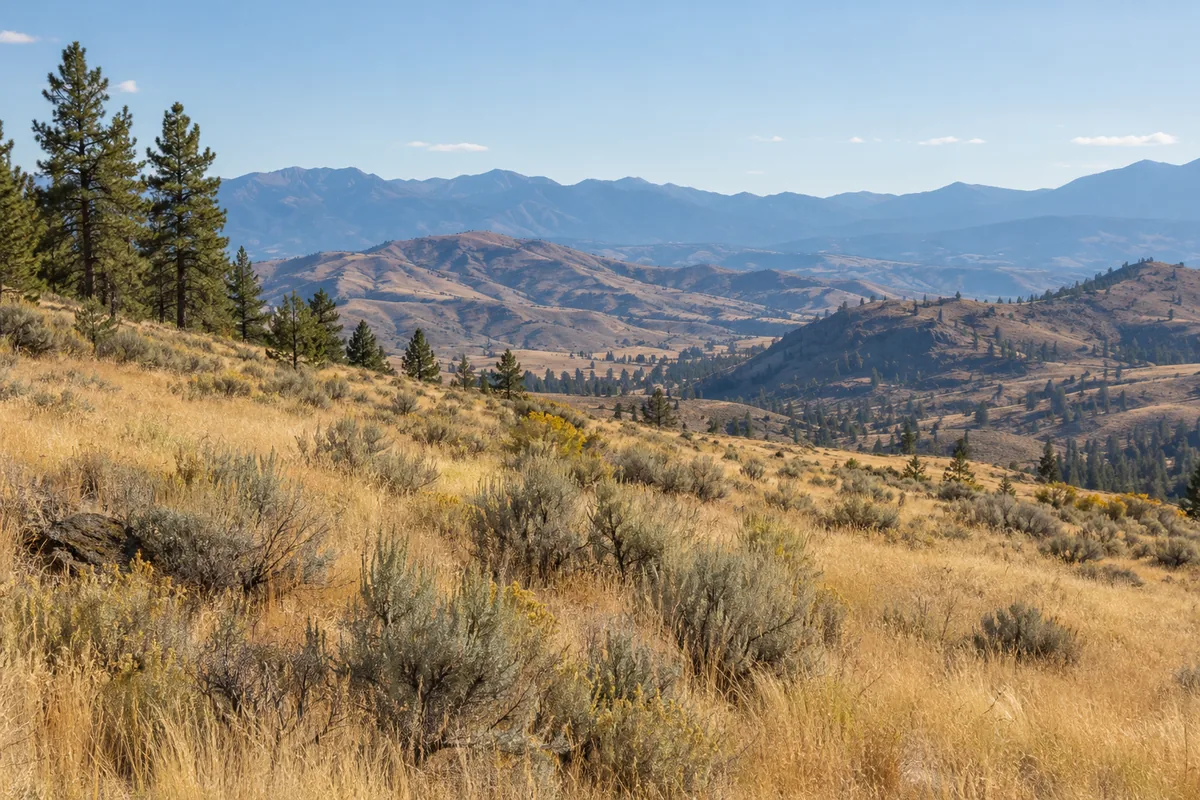
The county spans mountain ground and valley plains. Start with land in a similar setting. Don’t use a price from Cle Elum, Ellensburg or another town just because it is in the same county. Ask whether the land would appeal to the same kind of buyer.
Know where to look for newer transfer records
The county’s real estate transfer page explains its transfer-tax records. You may see the name REET. That means real estate excise tax, a tax tied to a property transfer.
The page says records from July 30, 2025 onward are on REETsifter. It links to that newer search. Its older search may have a document link when the file is ready. Read the date notes before assuming a missing result means no transfer happened.
A transfer record is a place to check a possible comparison. It does not make the property a good match by itself. Ask a local agent to check the final price, what was included and whether it was a normal sale between unrelated people.
Keep the land ID, date and recorded reference with each price. Did a house, equipment or extra land come with the deal? Was it an asking price or a completed sale? Keep unclear prices out of your main comparison until someone can explain them.
Get help with a missing deed
A deed records a transfer of land. The Auditor’s recording page links to Official Records Search. It says you can request a recorded copy in person or in writing. It does not provide the written description of a property over the phone.
The page lists 509-962-7504 and 205 W 5th, Suite 105, Ellensburg. Keep any owner name or filing number handy. Ask which copy you need and the total cost before paying. The page says online payments for copies are not available.
Save the deed with any survey, road agreement or rental papers. A survey is a measured drawing of the land. If you’re helping settle a loved one’s estate, gather what you have. Ask the closing team which records and signatures are needed before setting a firm sale date.
Choose sales that a buyer would compare
Ask a local land agent to explain two or three completed sales. Start with these questions:
- Is it the same kind of land? Compare a town lot with town lots, or larger open ground with land used in a similar way.
- How much can a buyer use? Compare the size, slopes, trees, open space and known wet or rough areas.
- How do you reach it? Share any written right to cross another owner’s land. For mountain land, explain what you know about getting there in winter.
- What is connected? List water and power that are actually connected. Nearby service is a different thing.
- What comes with it? Check buildings, fences, equipment and extra pieces in the price.
Take clear photos of the entrance and main areas if you can safely. Share any well, water or service papers you have. Don’t promise a future use just because nearby land has it.
For land being farmed or rented, explain the current agreement. Ask what a buyer can take over and what must end before the sale. Before spending money on clearing or a road, ask a local agent whether the likely benefit is worth the cost.
Keep one row for each whole sale
An asking price is what the seller wants. A completed price is what was paid. Write down the proof behind each number.
| Write down | Check |
|---|---|
| Price and date | Was it a completed sale or an ad? |
| Land IDs and filing number | Which exact pieces changed hands? |
| Acres and main features | Why would a buyer compare it with mine? |
| Buildings and other items | What else came with the price? |
Here is a made-up example: two five-acre pieces sell together for $150,000. The whole deal covers ten acres, so the simple rate is $15,000 per acre. If two websites each show one piece at $150,000, that does not prove two separate sales. Don’t count the full price twice.
These figures explain the math, not a Kittitas County sale. Match the land IDs and recorded transfer before counting similar-looking entries. An address written in two ways may still refer to the same land.
Even a correct rate needs context. A small lot with services can draw different buyers from a much larger piece. Use price per acre to help compare good matches, not to skip that work.
Pick a range you can explain
Ask which sale is closest and why. What supports the low and high ends? What missing detail could change the answer?
If close matches are scarce, keep that uncertainty in the range. Active ads can show other sellers’ choices, but they don’t show what buyers paid. Don’t build a price around an old county median.
For unusual land or a formal value, ask about an appraisal. That is a professional opinion of value for a stated purpose. Check the fee before ordering. Our land value guide explains the general steps.
Compare the offer and the money you keep
You can use an agent, find a buyer yourself or compare a direct offer. Think about the time, work and costs of each choice. Get the price, seller costs, target date and buyer’s right to cancel in writing.
Ask the closing team for a clear list of amounts taken out of your payment. Have them check loan and tax balances and explain transfer taxes and recording costs. A higher price may leave less money after costs.
Use our offer worksheet to compare real terms. The Washington seller guide explains the sale process.
If you’d like a Reelvest offer to compare, tell us about your land. You decide whether it fits your plans.
Questions About Kittitas County Land Value
Can I use one Kittitas County price per acre?
Not by itself. Town lots, open ground and mountain land may have different buyers and features. Ask a local land agent for recent completed sales that match the kind of land you want to sell.
Where can I look for newer county transfer records?
The Treasurer’s transfer page says records from July 30, 2025 onward are on REETsifter and links to that search. Check the date notes before using the older search. A transfer record still needs a check of the price, included items and fit.
Where can I ask about a missing deed?
The Auditor’s recording page links to Official Records Search and explains in-person or written copy requests. It lists 509-962-7504. Ask which copy you need and the total cost. The page says online payments for copies are not available.
What if two ads show the same land at the same price?
Don’t count them as separate sales without checking. Match the land IDs and recorded transfer. If several pieces sold together, keep one row for the whole deal and use all included acres for simple price-per-acre math.
Local source links reviewed October 6, 2026.