
Look for recent sales of land like yours in Union County, Tennessee. Compare the acres, terrain, access and what was sold. A small lot, an open field and steep woods can need different price comparisons. Your tax record helps you find the parcel, but its assessed value isn't the price you should automatically ask.
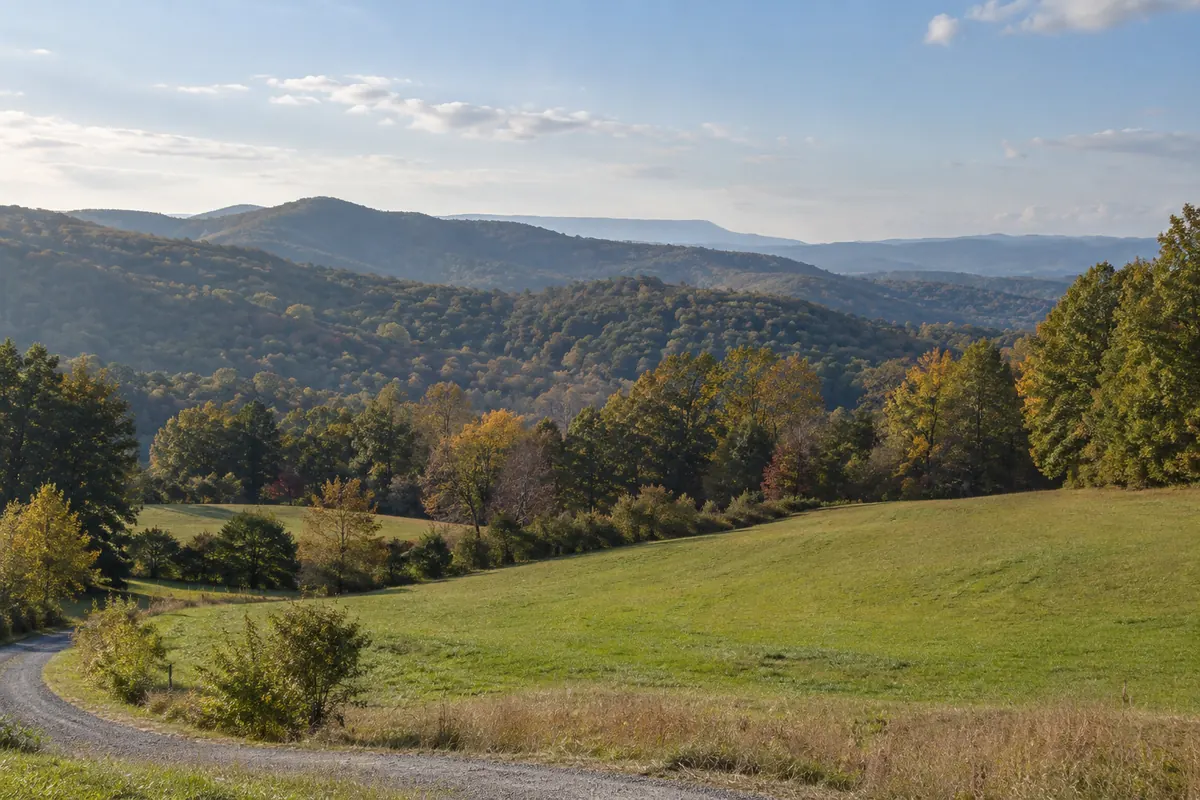
Start With a Tax Bill and What You Know
Find a recent tax bill and write down the parcel number. That's the county's number for the land. Check that you're using Union County in Tennessee. Other states have Union Counties too.
Make a few notes before looking at prices:
- How many acres and parcels are you selling?
- Is the land mostly open, wooded, steep or a mix?
- Are buildings or other items included?
- How do you get to the land? What access papers do you have?
- Does anyone use or rent the land?
- What deed, survey, map and photos do you already have?
Use what you know. Put blanks on a question list instead of guessing. You can talk with an agent or buyer while finding missing papers and getting help with uncertain details.
Find the Parcel and the Right Local Office
Use the state property search
The Tennessee Comptroller's Property Assessment Data search includes Union County. Choose Union, then search by parcel ID, owner name or property address. The parcel number can help when vacant land has no clear address.
Match an entry with your bill and deed. Check the acres, land details and any buildings listed. Keep notes about a missing or unclear item. The state describes this service as property data used for tax assessment. It isn't a list of offers for your land.
Ask the Assessor about a property entry
The University of Tennessee's Union County office directory lists the Assessor of Property at 865-992-3211. Ask about property details or values that you don't understand.
Ask the Register about a deed
The same directory lists the Register of Deeds at 865-992-8024. A deed records an ownership transfer. Keep a document number or book and page reference if you have one. Ask how to find a copy and what the current options cost.
UT's guide to the Register's role explains that the office records land documents. A title company or attorney can help check ownership, signing and other title questions before a sale.
Ask the Trustee about county taxes
The directory lists the Trustee at 865-992-5943. The Comptroller's assessment and taxation guide explains that county Trustees collect property taxes. Ask about an unclear county tax entry. Have the closing professional check current taxes and other amounts that must be paid, rather than relying on an old bill.
Don’t Confuse Assessed Value With a Sale Price
A tax record can show more than one value. Tennessee's assessment guide explains that the Assessor first appraises property for tax purposes. A set percentage is then used to reach the assessed value.
For example, the state lists a 25% assessment rate for residential and farm property. A $100,000 appraised value at that rate gives a $25,000 assessed value. This explains the tax math; it isn't a Union County sale report or a price estimate for your land.
Don't treat the smaller assessed number as an asking price. Don't treat the appraised tax value as a new buyer's offer either. Check the record date and compare useful completed sales.
The state also explains that tax appraisals are set during periodic reappraisals and generally stay the same between them unless the property changes. Ask the Assessor about the year and property class on your record. You don't need to work out a buyer's future tax bill before asking about an offer.
Compare Land a Similar Buyer Would Consider
Start with land that offers similar things. A small lot with easy access can be a weak match for a large wooded tract, even if both are called vacant land.
- Size: Compare small lots with similar lots and acreage with similar tracts. Use whole lot prices first.
- Terrain: Compare how the land lays. Note steep parts, open areas and woods. Total acres don't tell the whole story.
- Access: Compare the drive and known road rights. A road seen on a map doesn't prove a right to use it.
- Water or views: Check the actual feature. A view, water nearby and land that borders water aren't the same thing. Don't assume a dock or water-access right comes with the land.
- Buildings: Check for a house, cabin, shop or other building in the price. That sale may be a poor match for bare land.
- Multiple parcels: Check everything included. A group price isn't the price of just one parcel.
Start nearby. If you use a farther-away sale, write down why it still helps. Ask a local land agent or appraiser which differences matter most. There isn't one fixed amount to add for woods, a view or road frontage without evidence.
Check That a Sale Is Useful Price Evidence
Ask a local land agent for recent completed sales and an explanation of why they fit your land. For each possible match, keep the sale date, full price, parcel numbers and source. Check the deed or sale papers when the land package is unclear.
Keep unsold listings separate. They show what sellers are asking, not what buyers have paid. A transfer record alone may not explain whether a price is a sound comparison.
Look past the address. Two entries with different address wording may describe the same land. Check parcel and document details before counting them as two separate sales.
Ask for help with an unusual price, a sale that includes a house or a transfer of several parcels. If you can't tell what the price covers, don't build your asking range around it.
Put the Best Matches on One Sheet
For each useful sale, note:
- The date, source and whole price
- The parcel and deed document numbers
- All acres and parcels included
- Terrain, buildings and checked access details
- What's similar to your land
- What's different or still unknown
For similar acreage, divide the total price by all acres sold. Here's a made-up example: ten vacant acres sell for $90,000, or $9,000 per acre. A half-acre parcel with a cabin sells for $180,000. That doesn't show that another ten vacant acres are worth $3.6 million. The cabin, size and use make it a different sale. These figures explain the math; they aren't Union County sale reports.
Look at several sound matches rather than one exciting number. If there are too few, widen the time range or area and explain why the added sales still help. Get help if the evidence stays thin. An honest range is better than a precise guess.
Compare Your Ways to Sell
A local land agent can suggest an asking range and a plan to find buyers. Ask about fees, photos, showings and the sales behind the price. If you sell it yourself, use clear photos and checked facts, and plan time for questions and visits.
A direct offer is another choice. Ask for the price, selling costs, buyer's review steps and planned closing date in writing. Compare the money you keep after costs and balances, along with any steps you're expected to take.
If you'd like a direct offer to compare, tell Reelvest about your land. Start with the parcel number and what you know. We'll review it and discuss whether we can make an offer. You decide whether it fits your plans.
Our Union County seller guide covers the broader selling steps. Use a title company or attorney for help with sale papers and closing. If you're handling inherited land or helping settle a loved one's estate, ask who needs to sign before accepting an agreement.
Questions About Union County Land Value
Is my assessed tax value the price I should ask?
No. Tennessee uses a percentage of appraised value to reach assessed value for tax purposes. Check which number you're reading and compare similar completed sales for your asking range.
Where can I look up my Union County parcel?
Use Tennessee's Property Assessment Data search and choose Union. It offers parcel ID, owner name and address searches. Match the entry with your bill and deed, and ask the Assessor about unclear details.
Who should I ask about a missing Union County deed?
The UT county directory lists the Register of Deeds at 865-992-8024. Keep a document number or book and page reference if you have one. Ask about finding a copy and current costs.
Should I use a cabin sale to price vacant land?
A total that includes a cabin can be a weak match for bare land. Start with similar vacant tracts and check all acres, parcels and other items included in a sale.
Can I compare an offer while some papers are missing?
Yes. Start with the parcel number and what you know. Keep missing details on a question list. Get help with ownership, access and closing questions before signing.
Local source links reviewed October 7, 2026.