
Start by finding the land record, gathering what you know and checking similar sales. Then choose whether to list with an agent, sell it yourself or compare a direct offer. You don’t need every answer today. This guide shows what to gather and what to ask before you sign.
Tell us about your land. There’s no obligation to accept an offer.
Start with what you know. These steps will help you get ready and choose the way to sell that fits you.
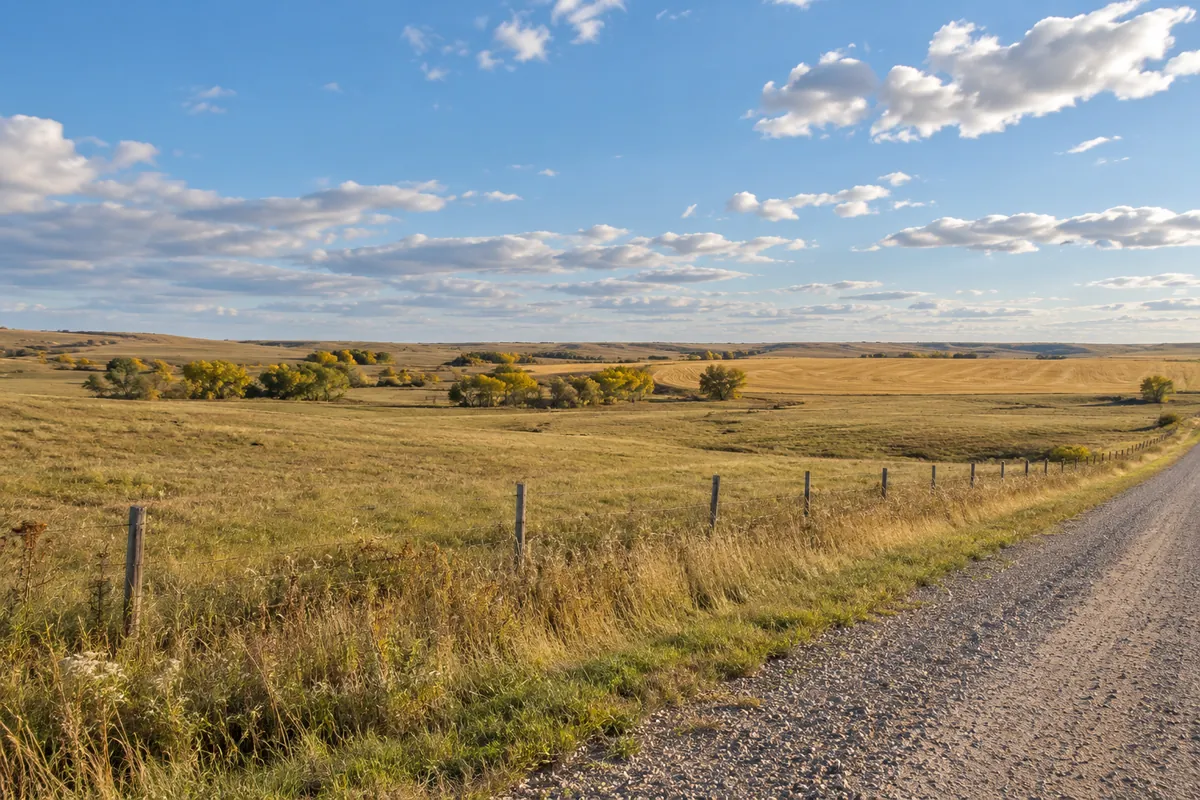
Find an old deed or tax statement. A deed is the paper that describes the land and names the owners. Write down the county land number and acres if you know them. If the land has no street address, use the closest road and a map pin to show where it is.
The McPherson County property office links to the county’s online property map. This office is called the Director of Equalization. It handles property assessment questions and also lists the county zoning contact. Call 605-439-3663 if you need help matching your papers to the land record.
Missing your deed? Ask the Register of Deeds at 605-439-3151 how to get a copy. Give the owner’s name and any old recording details you have. Both offices are in the courthouse at 706 Main Street in Leola.
A map helps a buyer find the land. For uncertain boundaries or road rights, keep any survey or written agreement with your deed. Ask the closing company to help check the records before promising something you aren’t sure about.
A buyer wants to know what they can do with the land and how to reach it. You don’t need a fancy sales pitch. A few clear facts and recent photos are a good start.
If someone rents or uses the land, gather the agreement and ask how a sale would affect them. Make clear what is included in the sale, such as gates or other fixed items. Don’t assume equipment or a tenant’s belongings come with the land.
Not sure whether a buyer could build, split the land or change drainage? The county property office lists building, drainage and other permit applications. Ask it which office can answer for your location. You don’t have to apply for a buyer’s project just to start selling.
Find your latest tax statement and note what you have paid. The McPherson County Treasurer lists the first half of property taxes as due April 30 and the second half as due October 31. Call 605-439-3544 for the current amount on your land.
If a sale is near a tax due date, ask the closing company how the bill will be handled. Get it in writing so you and the buyer know who is paying what. Don’t assume the sale makes an unpaid bill disappear.
For a loan on the land, ask the lender for the amount needed to pay it off at closing. It may differ from an old statement. Share the lender’s details with the closing company through its usual secure process.
You can ask about selling while you still owe money. The key is to know what may come out of your payment, so you can compare the money you’d keep.
Start with land that has sold, not just land advertised online. Match the size, location, road access and type of land. A cropped field, pasture and a small home site may have very different buyers.
A local agent who sells land can help find useful completed sales. Ask why each one is a good match. Check whether a price included buildings, more than one parcel or other items. Tax values and asking prices can be starting points for questions, but neither is a promise of what you’ll receive.
For farm ground, compare the acres a buyer can actually use, not just the total size. For example, two 80-acre tracts may be different if one has much more wet ground. You don’t need to guess a dollar adjustment. Show the difference and ask how it affects the price.
If you have few good matches, keep that uncertainty in your price discussion. A land appraiser can help when you need a more detailed value opinion. No single county-wide price per acre fits every property.
Think about how much work you want to do and how soon you hope to sell. A higher asking price may take more time or may never become a sale. A direct offer may be lower, but its terms could suit your needs. Compare the whole deal.
If you’d like Reelvest to review your land for a direct offer, tell us what you know. You can compare it with your other options before deciding. For wider preparation help, see our South Dakota land seller guide.
Put each offer on one sheet with the price, costs you pay, debts to be paid and expected money left for you. Ask who will handle closing and how payment will reach you.
Also check the buyer’s conditions. Can they cancel while they inspect the land? When does that period end? What happens to their deposit? If the offer depends on financing, ask what still has to happen.
A simple cost example: A $50,000 offer with $3,000 of seller costs leaves $47,000 before any loan or tax balance. These are made-up numbers, not a value estimate for McPherson County land. Use the actual terms of your offers.
Ask for unclear terms to be explained before signing. Our land offer worksheet can help you keep the details side by side.
Once you have a signed agreement, the closing company checks the ownership records and prepares the sale papers. Ask for a list of what it needs from you and which questions are still open.
South Dakota uses a Certificate of Real Estate Value with deed transfers. It records details of the transfer, including the land and sale terms. The state’s Register of Deeds guidance explains the form. Let the closing company prepare the right papers for your sale rather than trying to guess which form to use.
If you share ownership, ask early who needs to sign. If you’re handling inherited land or helping settle a loved one’s estate, bring the papers you already have. The closing company can help work out what else is needed. You don’t have to sort it all out alone.
Before closing, review the final price, costs and payment amount. Check the buyer, land description and signing instructions. Keep copies of the agreement and closing papers. After closing, ask which records and tax notices you should expect next.
Start with what you know. Clear facts, a few useful price comparisons and written terms will help you make a decision you feel good about.
Start with the location, acres if known, deed or tax statement and recent photos. Note any lease, loan or shared ownership. You can ask for help before your file is complete.
Ask the county Register of Deeds at 605-439-3151 how to get the record. Give the owner’s name and any old deed details you have.
The Director of Equalization office links to the county property map and can help with assessment questions. Call 605-439-3663.
Gather any lease or agreement and explain the current use to the buyer. Ask how the sale would affect the agreement and what happens to crops, livestock or belongings.
The county Treasurer lists April 30 for the first half and October 31 for the second half. Call 605-439-3544 to check the current bill and ask how taxes will be handled at closing.
Not always. First describe its condition and compare your options. Ask what work would help your likely buyers before paying for repairs, clearing or new reports.
You can start asking about a sale. Share the estate papers you have with the closing company so it can help check who has authority to sign and what else is needed.
Yes. Compare the expected money you keep, costs, conditions, timing and work involved. You choose the way to sell that fits your needs.
Local source links reviewed October 5, 2026.