
Your Richland County land’s value depends on its location, entrance, usable ground and what comes with it. Start with a few similar completed sales. Check their differences, then discuss a price range with a local land agent or appraiser. A county average or tax value cannot do that on its own.
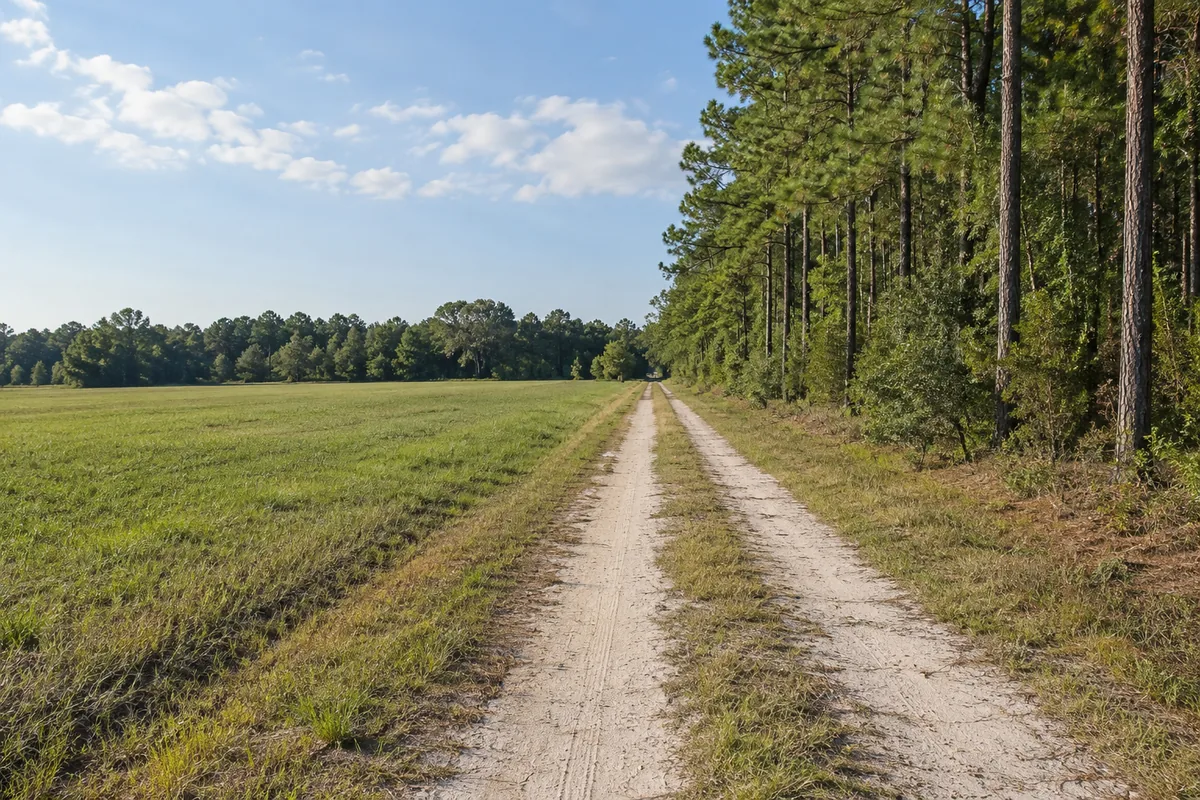
Find the Right Land Record First
Gather a recent tax bill, deed and any survey. Write down the land’s number, nearest road, acres if known and entrance. List every piece you plan to sell and any building or other item included.
The county’s Mapping and Records page links to Property Search. It says you can search by tax map number, address or owner. A tax map number is the county’s ID for the land. You may see it called TMS in the sales tool.
Use the number from your tax bill if you have it. Vacant land may not have a street address. A road name and map pin can help show the location. Check the result against your deed and survey rather than guessing an address.
The Assessor’s Office handles property details and values used for taxes. Call 803-576-2640 if you need a record explained. Save the value’s date and note whether buildings are included. It is background for your research, not an offer.
If the online record does not appear, ask the office for help. The county allows owners to remove a property from public online access, so an empty search does not prove the land has no county record. You can discuss selling while you work through missing papers.
Use the County Sales Tool With Land in Mind
The county maps page links to Comp Sales, a tool for finding recorded property sales. It is a useful starting point. Each result still needs checking before you use it to price your land.
When we reviewed the tool, it opened with Improved property selected. That means property with buildings or other improvements. If you are pricing vacant ground, choose Vacant under Property Use and check the results.
The acreage filter was off at that review. If size matters to your search, turn on Acres and enter a useful range. Check the sale dates too. The starting dates covered several years, so do not assume every result is a recent sale.
The tool also has house-related filters such as bedrooms and year built. Review the enabled filters rather than treating the starting settings as a vacant-land price report. If a filter or “Qualified Sales” label is unclear, ask the Assessor how to use it. A label alone does not make a sale a good match.
Start close to your land and compare similar sizes and settings. A small lot with connected services near Columbia may be a poor match for a larger wooded tract. Ask a local land agent which sales a buyer could use much like yours.
- Entrance: Direct road access or a shared drive? Keep any written access paper.
- Ground: Compare open space, woods, slopes and wet areas.
- Services: Check working connections, not just lines nearby.
- Buildings: Find out whether a house, shop or barn came with the sale.
- Size and date: Note the acres and when the deal closed.
- Full deal: Check whether the price bought one piece or several together.
Share the papers and facts you have. You do not need to plan a buyer’s house before discussing value. Write down the main differences and ask how much they matter rather than adding guessed dollar amounts.
Use the Deed to Check What a Sale Included
The county’s Register of Deeds page is the place to start for recorded deeds, mortgages and plats. A deed transfers ownership. A plat is a recorded drawing of land.
Call 803-576-1910 if you need help getting started. Have an owner name and any deed book, page or document number ready. Ask which copy you need and what it costs. The office can point you to search resources; it does not do the whole title search or write sale papers for you.
The page says online records use a subscription with day, week, month and year choices. If you only need one paper, ask about getting a copy before buying a subscription. Check the office’s current page before an in-person visit.
Keep the deed reference beside each price example. Make sure it describes the same land and all pieces included. A similar owner name is not enough to identify the sale.
Some transfers are gifts, family transfers or other deals that do not show what a typical buyer would pay. Ask the agent or appraiser to check an unusual price or transfer before using it. You do not have to trace every old deed yourself.
Make a Short Comparison Sheet
Keep a short sheet on paper or in a spreadsheet. Leave a blank when you do not know a fact and mark it for follow-up.
| Write down | Why it helps |
|---|---|
| Land numbers and deed reference | Find the deal again and count it once. |
| Closing date and checked sale price | Keep an actual sale separate from an asking price. |
| Acres and all included pieces | Know how much land the price covered. |
| Buildings and working services | See whether the deal included more than vacant ground. |
| Entrance, ground and setting | Explain the main differences from your land. |
| Source and missing facts | Know what still needs checking. |
Here is made-up math: a checked land-only price of $72,000 for 12 acres equals $6,000 per acre. A different made-up sale of $150,000 for 10 acres equals $15,000 per acre. If that second deal included a home, the number is not a vacant-land price.
These are math examples, not Richland County sales or a price estimate. Use price per acre only after checking the price, acres and included property. Keep the full deal beside the result.
If three pieces sold in one closing, keep the full price and total acres together. Do not put the full sale price on every piece and count the same deal three times.
Check the Whole Deal Before Choosing a Range
Ask an agent or appraiser to explain which checked sales best fit your land and why. Keep a price range tied to those examples. A high price from a poor match should not set your asking price.
Keep the assessment date and sale date apart. Land or buildings may have changed between them. Ask what each record describes rather than assuming both numbers describe the same property at the same time.
Set aside unexplained high or low prices until someone checks them. If there are no close matches, say so. Ask what other evidence would help. A thin list of results does not justify a confident county average.
If your land has a farm-use tax value, keep that paper with your notes. The Assessor says a change from farm use can lead to extra taxes and it can provide an estimate. Ask whether that applies to your sale or the buyer’s plans. A value used for taxes is not the money a buyer will pay.
Keep any lease or written access agreement with your comparison sheet. Ask how it affects what a buyer can use and the money you keep. You do not need to clear the ground or order a survey just to start talking about a price.
If you need a written value opinion, ask a land appraiser what they would inspect, which sales they would use and what it costs.
The old March 2026 tables on this page had figures that were not checked against unique land or deed records. They have been replaced with this guide. They are not used here as current land prices. Our land value guide explains the basics.
When You Have an Offer, Check the Money You Keep
An offer is a buyer’s proposed deal. It may differ from an asking price or a written appraisal. Read what the buyer wants to check and when they can cancel.
Ask who pays the agent fee and closing costs. Check what loan, tax, or other balance may come out of your payment. Compare the money you keep, the conditions, and the target date, not just the price at the top.
You can list with an agent, sell the land yourself, or compare a direct offer. If you’d like one more option, tell Reelvest about your land. We’ll review the details and let you know if we can make an offer. You decide whether it fits.
For the broader selling process, see the Richland County seller guide.
Questions About Richland County Land Value
Can I price my land from a county average?
Start with similar completed sales. An average can mix vacant ground, small lots, buildings and several pieces sold together. Ask which examples best fit your land and what each price covered.
How do I find land without a street address?
Use the tax map number from a bill, the nearest road and a map pin. The county’s Property Search has land-number, address and owner options. Check the result against your papers. Ask the Assessor at 803-576-2640 if you need help.
Does Comp Sales start with vacant-land results?
At our review it opened with Improved selected, while the acreage filter was off. Choose Vacant when you are researching empty ground, check the enabled size and date filters, and verify each result before using its price.
Is the county value the price I should ask?
Use it as background with its date and included property. Compare similar completed sales and ask how the differences affect your range. A buyer’s offer can differ from a value used for taxes.
Are online deed records free?
The county says online access uses a subscription. If you need one deed or plat, ask the Register of Deeds at 803-576-1910 about a copy and any charge before buying a subscription.
Does this guide give a current Richland County price per acre?
No. It helps you choose checked sales for your own land. The old unverified tables are no longer used as a county price estimate. A full sale price and included property matter more than an unexplained average.
Local source links reviewed October 4, 2026.