
Start with your parcel number, any deed or survey you have, and a few notes about the land. Then compare your selling options and the money you’d keep. You can use an agent, sell it yourself, or ask for a direct offer.
Tell us about your land. There’s no obligation to accept an offer.
Start with what you know. These steps will help you get ready and choose the way to sell that fits you.
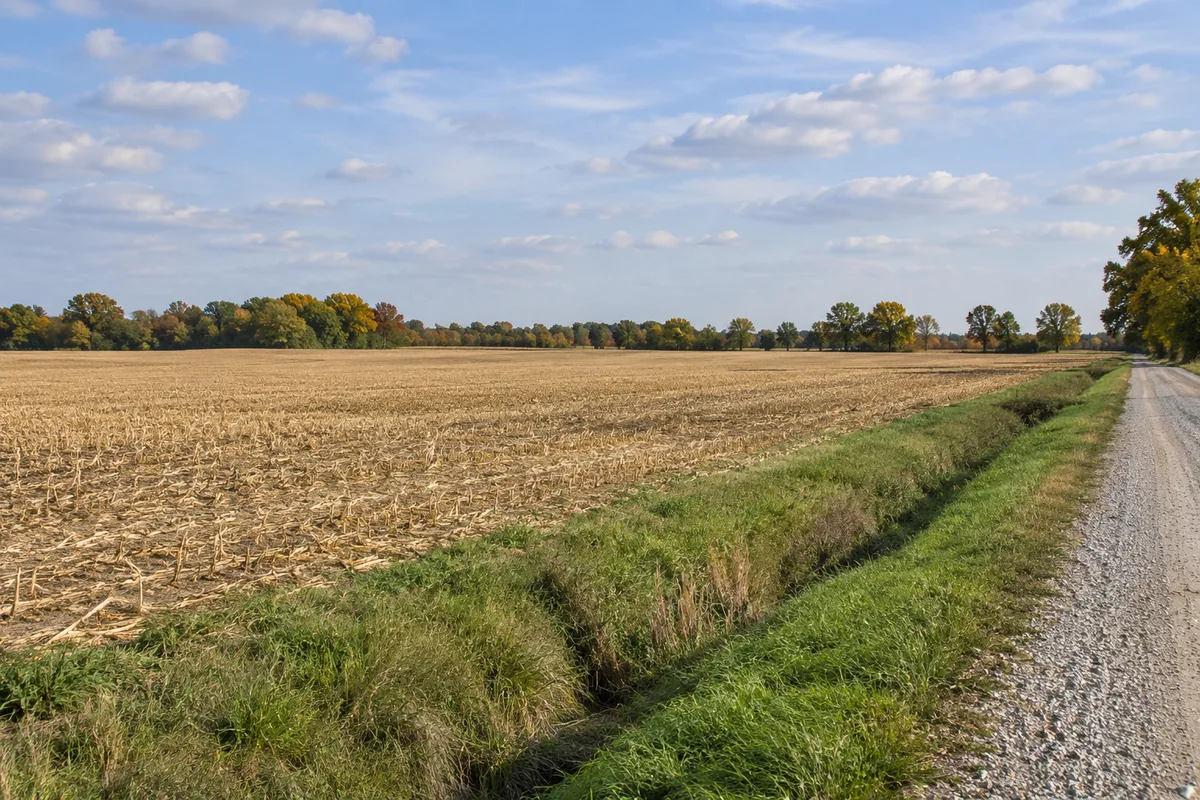
You don’t need a thick folder to get started. A tax bill, deed, or parcel number can help someone find your land. A deed is the paper that records a land transfer. Keep any survey you already have, too.
If the names don’t match or you share ownership, flag that early. The closing team can help check which papers are needed and who must sign. A map or tax record alone doesn’t settle ownership or exact property lines.
Use what you know. You can leave a question open if you haven’t checked it yet.
Don’t spend money clearing land or ordering a new survey just to make a first call. Ask whether the buyer or closing team needs that work before you pay for it.
With a land agent: An agent can help you set a price, advertise, answer buyers, and handle offers. Ask about their land experience, fee, and the sales they used to suggest your price.
On your own: You handle the listing, calls, visits, and price talks. Plan how buyers will find the land and how you’ll arrange a safe visit. You can still use a closing company to handle the paperwork.
To a direct buyer: You ask a buyer for an offer and compare its written terms. Ask what they still need to check, who pays each cost, and when they expect to close. Reelvest is one option if you’d like a direct offer.
The best choice depends on your time, the work you want to do, and the money you’d keep. You don’t have to choose before gathering the basic records.
Use recent sales of land that’s like yours. The Auditor’s Sales Search is a starting point for looking into local sales. Check whether a sale included a home, buildings, or several parcels. Keep asking prices separate from completed sales.
Compare size, access, and usable ground. If you use an agent’s price opinion, ask to see the matches behind it. A tax value alone isn’t a promise of what your land will sell for.
When an offer comes in, check more than the price:
Get the terms in writing. Ask for an explanation of anything you don’t understand before you sign.
Closing is when the sale papers are signed and the land changes hands. The closing team checks ownership, handles the deed, and works out the payments.
They may ask for ID, ownership papers, loan details, and any leases or access agreements. If you’re selling part of a larger tract, ask what must happen before that piece can be sold on its own.
Before signing the final papers, read the statement that lists the price, fees, payoffs, and money you’ll receive. Check the numbers against the deal you agreed to. Ask the closing team how and when you’ll get paid.
Yes. Start with a tax bill or parcel number. The Crawford County Recorder has a records search and a copy request option. You can gather the missing papers while you learn about your selling choices.
Share any lease and explain who is using the land. Before agreeing to a sale date, ask how the current agreement affects the sale and the new owner’s use of the land.
Take it at a pace that works for your family. You can gather records and ask questions first. The closing team can help check which ownership papers are needed and who can sign before you agree to a sale.
Not always. Start with photos and an honest description of the land. Ask what a likely buyer needs before paying to clear it. The work may not add enough to the sale price to cover the cost.
Yes. You can compare the offer with other ways to sell. Read the terms of any agreement before you sign, including any listing agreement you already have with an agent.
Local source links reviewed October 3, 2026.