
Start with a tax bill, any deed or survey you have, and a few details about the land. Choose how you want to sell, compare written offers and ask about costs before signing. You can start without every paper or answer.
Tell us about your land. There’s no obligation to accept an offer.
Start with what you know. These steps will help you get ready and choose the way to sell that fits you.
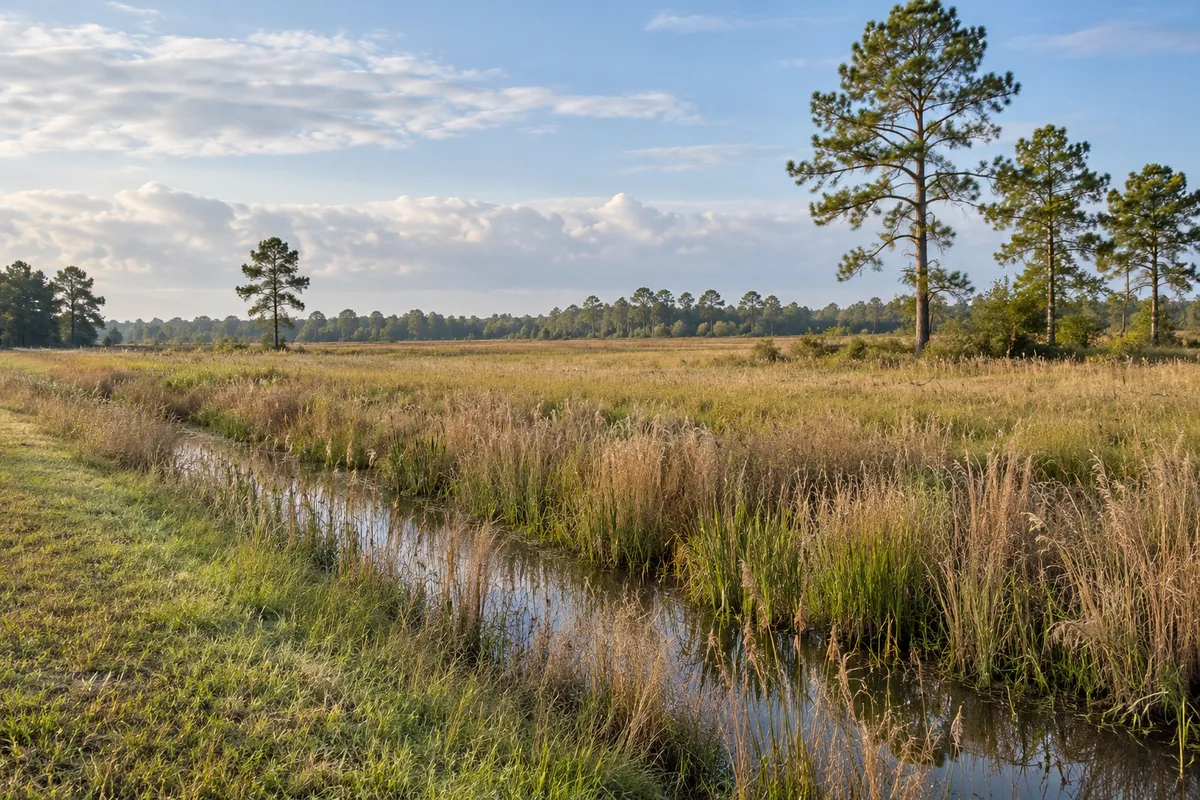
Write down the parcel number, acres and other owners from the papers you have. Keep a recent tax bill, deed, survey, loan statement and any lease together. Do not order a new survey just to start asking about a sale.
For a missing deed, begin with the Perquimans County Register of Deeds page. It links to the office’s records website and gives contact details. Ask the office how to find the copy you need.
A deed records a land transfer. A survey shows measured property lines. If a name or acreage does not agree between your papers, point out the difference to the closing team rather than guessing.
The county office is in the town of Hertford. Make sure you use Perquimans County records for your land, rather than another county with a similar name.
Give the closest road and explain how you enter. Use the parcel number when there is no street address. A map or entrance photo you already have can help.
It is fine to say a detail is unknown. You do not need to plan the buyer’s future home or make costly improvements before exploring your options.
Start a price discussion with completed sales of similar land. Compare size, access and usable ground. Keep a sale with a house or several parcels separate. An unsold listing shows an asking price, not what a buyer paid.
A land agent can help with pricing, marketing, visits and offers. Ask about local land experience, fees and the sales behind the price.
Selling it yourself means handling the listing, calls, directions and price talks. Plan how you will arrange visits and get help with the sale papers.
A direct buyer offers another deal to compare. Ask for the price, costs, buyer checks and planned date in writing. Reelvest is one option if you would like a direct offer.
Compare the effort, likely timing and money you would keep. You decide which route fits your plans.
Read the right parcel, acres, price and target date before signing. Ask which costs each side pays, what the buyer can still check and what happens if a required step is not finished.
The Perquimans Tax Administrator page explains that the department handles property taxes and land-transfer tax records. Ask the closing team to include the applicable taxes and fees in your cost estimate.
The same county page says the tax department does not have information on property liens or judgments. A paid tax bill does not answer every ownership or debt question. Give the closing team any loan or other claim papers you have so those questions can be checked.
A higher price can leave less money after costs. Compare the price minus selling fees, payoffs and unpaid taxes. If the sale depends on splitting land or a new survey, ask who arranges it, who pays and what happens if it cannot be done.
Closing is when the final papers are signed and the land changes hands. Ask who is handling it and what they need from you. They may ask for ID, ownership records, loan details, leases or access papers.
If you are helping settle a loved one’s estate, start with the papers you have when you feel ready. Ask which documents are needed and who can sign before agreeing to a sale.
Before signing the final papers, read the statement showing the price, fees, payoffs and money you will receive. Check it against the agreement. Ask how and when payment will reach you, and keep your signed copies.
Yes. Start with the location, tax bill or parcel number you have. The Perquimans Register of Deeds page gives a records link and office contact details for help finding a copy.
No. The county says its tax department does not have lien or judgment information. Ask the closing team to check ownership and other claims separately. Share any loan papers you have.
Explore your options before spending money. Describe current conditions and ask whether proposed work would help your sale. You do not need to make costly changes just to ask about an offer.
Say that early. Ask what survey or other steps the proposed sale needs, who pays and what happens if the split cannot be completed. Compare that with selling the whole tract.
Yes. Compare costs, money kept, likely timing and written terms. Read any agreement you already have with an agent before accepting another offer.
Local source links reviewed October 3, 2026.