
Compare your land with sold land that has a similar setting and use. In Macon County, total acres are only part of the picture. Look at where a driveway and home could fit, what wastewater records exist, and which costs are still unknown. A view does not answer those questions for a buyer.
Start with the parcel, deed and any recorded map
Find the parcel number on your tax bill. Save the deed, listed acres and any survey. If several parcels will be sold together, list each number. A street address alone may not identify vacant land.
The Macon County GIS page links land records, online maps and forms for parcel divisions and other changes. GIS means a map system that puts records and land features together. It can help you locate the tract and the right records. Keep the deed and survey with your notes rather than relying only on a map outline.
When checking a nearby sale, confirm which parcels the price covered. Write down whether buildings or other land were included. That helps you avoid using a whole-property price to value one empty lot.
Compare the useful ground, not just the view
Walk through the buyer’s likely plan on paper. Where would the entrance, driveway and home go? Where does the ground get steep? How much useful space remains after those areas are set aside? Use a survey and a site review when the location is unclear.
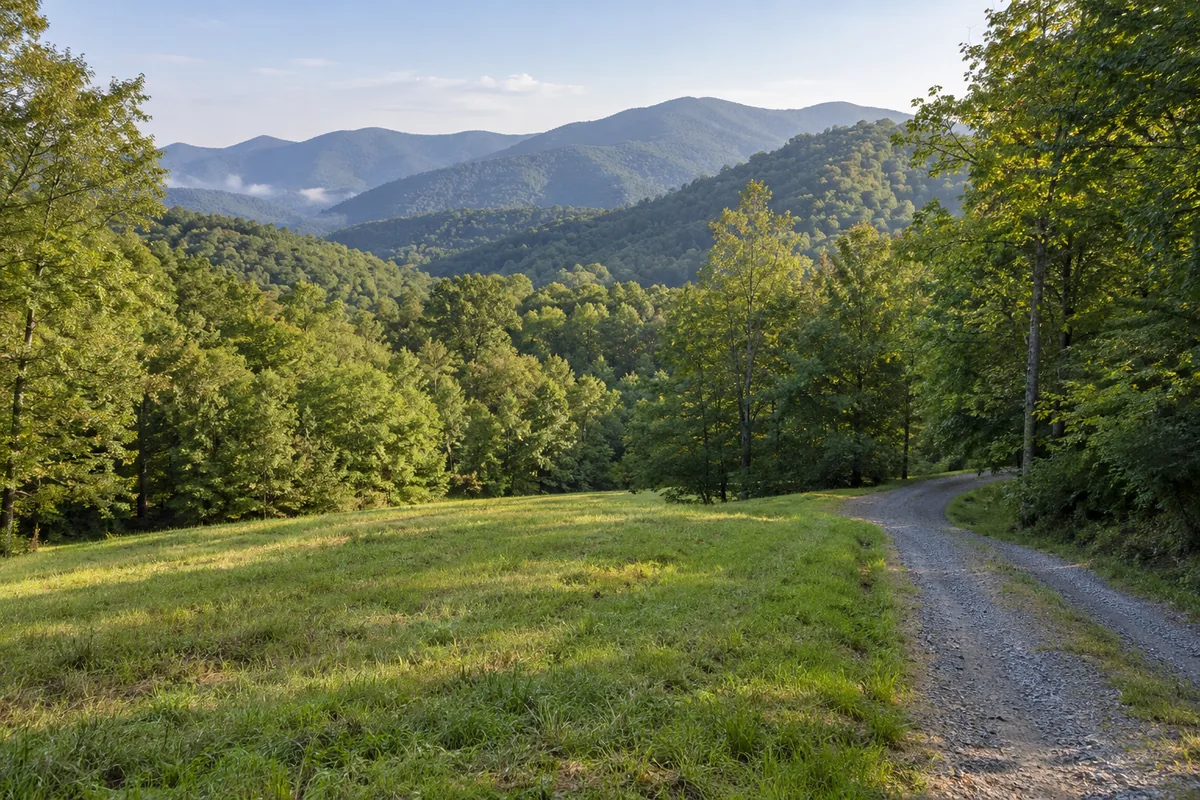
A smaller tract with a workable layout may answer a different buyer need than a larger wooded slope. Compare similar layouts before using a price per acre. Ask for estimates if the route needs grading or other work. A photo can show the setting, but it cannot prove what construction will cost.
If you have an old home sketch, label it as a sketch unless it is part of a current approval. Keep a quote for road work separate from an approval for a home. Each answers a different question.
Check the septic plan and the home plan together
Septic treats household wastewater on the land. The county’s Environmental Health page explains the site-plan information used for a wastewater review. It includes the planned building, driveway, well and septic area. It also notes that a wastewater permit does not guarantee other permits.
Gather any permit, soil report and system record you have. Ask Environmental Health what applies to the exact home plan today. If there is an old approval, ask whether it fits the planned layout and use. Keep the written answer with your land papers.
If a buyer moves the house or driveway, ask how that affects the review. Do not call the entire tract ready to build just because one old paper mentions septic. Compare land with similar confirmed records, and mark unfinished checks clearly.
Compare a whole-tract sale with a possible split
Several small-lot asking prices can look better than one offer for a larger tract. Before choosing a split, list the survey, review, road work, utility work and selling costs that may be needed. Ask about the time involved too.
The county land-records page provides division and plat-related forms. A plat is a drawing of land boundaries or lots. Ask Land Records and Planning which process fits your parcel before advertising separate lots. For a home plan, include Environmental Health in that question.
Tell the office whether the land is inside a town or subject to another local review. Share the actual parcel and proposed layout. Keep a possible split separate from approved lots, and compare a firm whole-tract offer with estimates for the split.
Choose sold land that a buyer could use in a similar way
Start with closed sales you can match to a deed and parcel. Keep asking prices in a separate list. For each sale, save the date, price, acres and what was included. A sale with a home, several parcels or other rights may not fit your empty tract.
Then list the differences that matter to the buyer. Compare access, useful ground, the planned use and steps still needed. If you cannot find enough good matches, ask a local land agent or appraiser for better evidence. Keep a broad price range while the key facts are unknown.
Bring the records and open costs into your offer comparison
- Land included
- Parcel numbers, acres, deed and survey.
- Useful layout
- Possible home area, driveway route and ground needing review.
- Wastewater records
- Existing papers, the home plan checked and any next steps.
- Open costs
- Survey, road or site work, reviews and costs you would pay.
- Money you keep
- Offer less sale costs, payoffs, unpaid taxes and work you fund.
Ask the buyer who pays for needed checks and what could change the closing date. Use our land offer worksheet, visit the Macon County seller guide, or tell us about your land with what you know now.
Questions About Macon County Land Value
Does a mountain view tell me what my land is worth?
It is one feature. Compare access, useful ground and the buyer’s planned use too. A view does not confirm a home site, road cost or approval.
Does a septic permit mean every other permit is approved?
No. Macon County’s Environmental Health page says a wastewater permit does not guarantee other permits. Ask about the exact home plan and other offices that need to review it.
Should I price a large tract as several smaller lots?
Treat that as a possible plan until the needed reviews are complete. Get estimates for the split and compare the money you might keep with a whole-tract offer.
What should I gather before asking about a land offer?
Start with the parcel number, acres, deed and what you know about access. Include a survey and septic papers if you have them. You can start with what you know.