
To sell Lea County land, start by identifying the property and gathering the papers you have. Choose a price range, find a buyer and check the offer’s costs and terms. Be clear about what you know and what needs checking, especially if an old lease or deed raises questions about what the sale includes.
Tell us about your land. There’s no obligation to accept an offer.
Start with what you know. These steps will help you get ready and choose the way to sell that fits you.
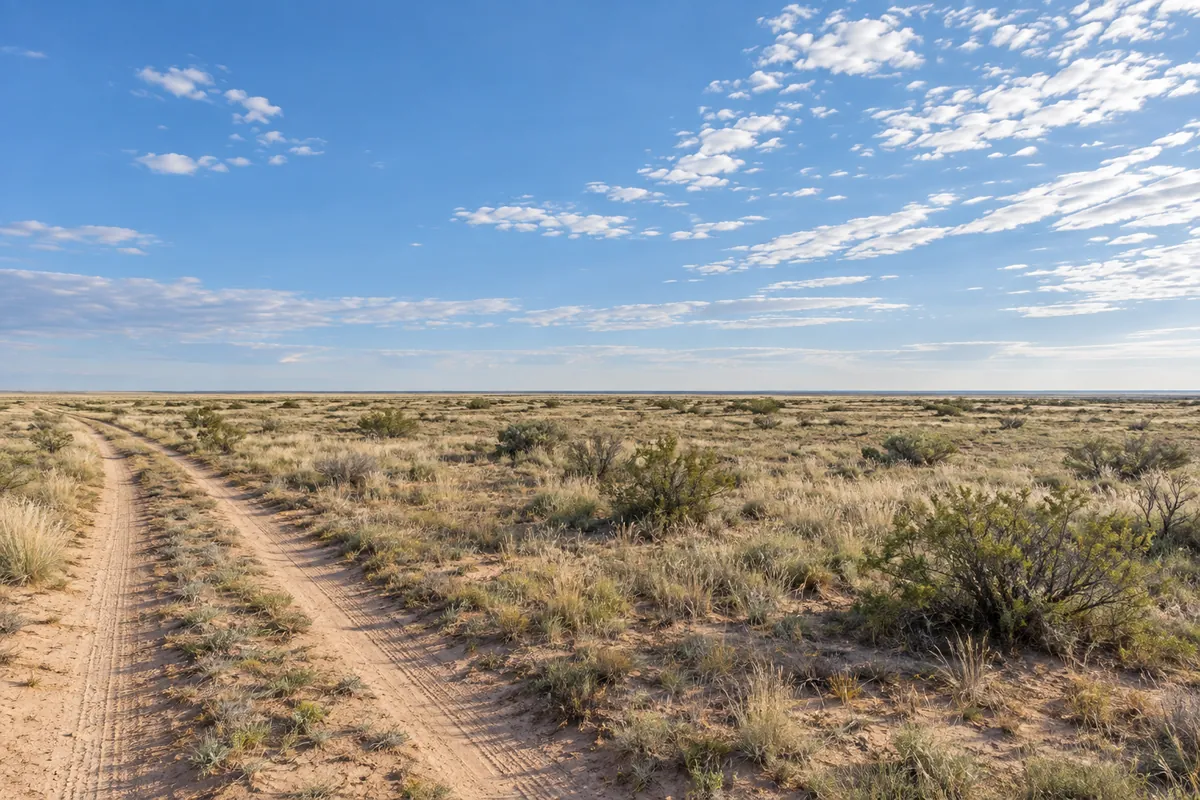
Start with a recent tax bill, a deed if you have one and the land’s location. A deed is the paper used to transfer ownership. The land ID number on a tax record can help a buyer find the right property.
If your land has several ID numbers, list them all. Write down the acres you know about and the owners listed in your papers. If the numbers disagree, mark the difference for checking. You do not need to guess which one is right.
Next, think about what matters to you. Would you rather spend time marketing the land or consider a direct offer? Is there a date you hope to sell by? Would you like someone to help handle buyer questions? Those answers will help you compare ways to sell.
Land without a street address can still be located. Share a map pin, the closest road and how you reach it. Do not give a made-up address or promise road access that has not been checked.
The Lea County Assessor’s page links to a parcel map and property lookup. It is a starting point for identifying the land and checking tax record details. An assessed value serves a tax purpose; it is not a buyer’s offer.
The Lea County Clerk keeps recorded land papers, including deeds, mortgages and oil and gas leases. Its page links to the current recorded-document search. Start there rather than an old bookmark. Ask the office how to get a specific copy and whether there is a charge.
Keep the papers you already have together: deed, tax bill, survey, old sale agreement and any lease. A survey shows measured land lines. You do not need to collect every possible record yourself before speaking with an agent or buyer.
If you’re helping settle a loved one’s estate or share the land with family, ask the closing professional which people and papers are needed. A name on one tax record may not answer every signing question.
Make two simple lists: what you want to sell and what you want to keep. Include any buildings, equipment or other items a buyer might assume come with the land.
If an old deed or lease mentions mineral rights, oil or gas, share the actual paper with a closing attorney. Ask them to explain what you own and what the proposed agreement would transfer. You do not need to solve that question by reading a short online summary.
Do not promise “all rights included” just because you own the land. Do not assume a nearby well or an old lease means you will receive payments. The actual papers and ownership history need checking.
For any lease, note who is involved, which land it covers and the dates you know about. If you cannot find the agreement, say so. Ask how to get a copy and what the buyer should know before you sign.
You can begin selling discussions while an open question is being checked. The goal is to avoid making a promise that later turns out to be wrong.
Look for recent completed sales that fit your property’s size and use. Compare how people reach the land, what was included and when it sold. A small lot with services nearby may not help price a large tract of open land.
Ask an agent to show the examples behind a suggested price. If a buyer makes an offer, ask what details they considered. An asking price on a website is useful background, but it does not show what a buyer finally paid.
Keep important unknowns beside the price discussion. If a lease, boundary or ownership question is open, say so. You can ask how it affects the estimate rather than pretending it is settled.
There is no need to pay for clearing, a new driveway or other large work before learning what buyers might offer for the land as it stands.
You have several ways to sell. Compare both the work involved and the money you may keep.
Take photos that show the land clearly. Describe its location and known features in plain language. If you have not confirmed utilities, boundaries or a right to cross other land, do not advertise them as settled facts.
Reelvest buys land directly from owners. You can tell us about your land to ask whether we can make an offer. You are also free to compare other buyers or listing options.
Check that the agreement describes the right land and says what is included. Ask who pays each fee, which balances come out of your payment and what money you would keep.
Here is a made-up example. A $25,000 offer with $1,500 in costs assigned to you leaves $23,500 before any loan or tax balance. That is a starting point for comparison, not an estimate for your land. Get your actual costs in writing.
Ask what checks the buyer can make, when the deposit is due and what can delay or cancel the sale. Confirm who handles closing and how payment will arrive. Closing is the final step where the sale papers are signed and payment is handled.
Tell the closing team about the records or signatures still being checked. Ask what they need next and who will handle each item. Keep a copy of the signed agreement and final papers.
For help comparing terms, use the land offer worksheet. For the broader process, read our New Mexico land seller guide.
You can start with a land ID number, tax bill or map pin. Share the closest road and how you reach the property. The right land needs to be confirmed before signing.
Start with the Lea County Clerk’s recorded-document services. Ask which details they need to locate your paper and whether a copy has a charge.
Share the deed and any lease you have with a closing attorney. Ask what you own and what the agreement would transfer before making a promise to a buyer.
No. Compare its price, costs and terms with your other options. You can ask questions or decide not to move forward.
Local source links reviewed October 6, 2026.