
Start with a tax bill, the land’s location and the papers you already have. Then choose a price range, decide how to find a buyer and compare offers in writing. You can begin without every answer. Missing papers or farming arrangements can be checked before you commit to a sale.
Tell us about your land. There’s no obligation to accept an offer.
Start with what you know. These steps will help you get ready and choose the way to sell that fits you.
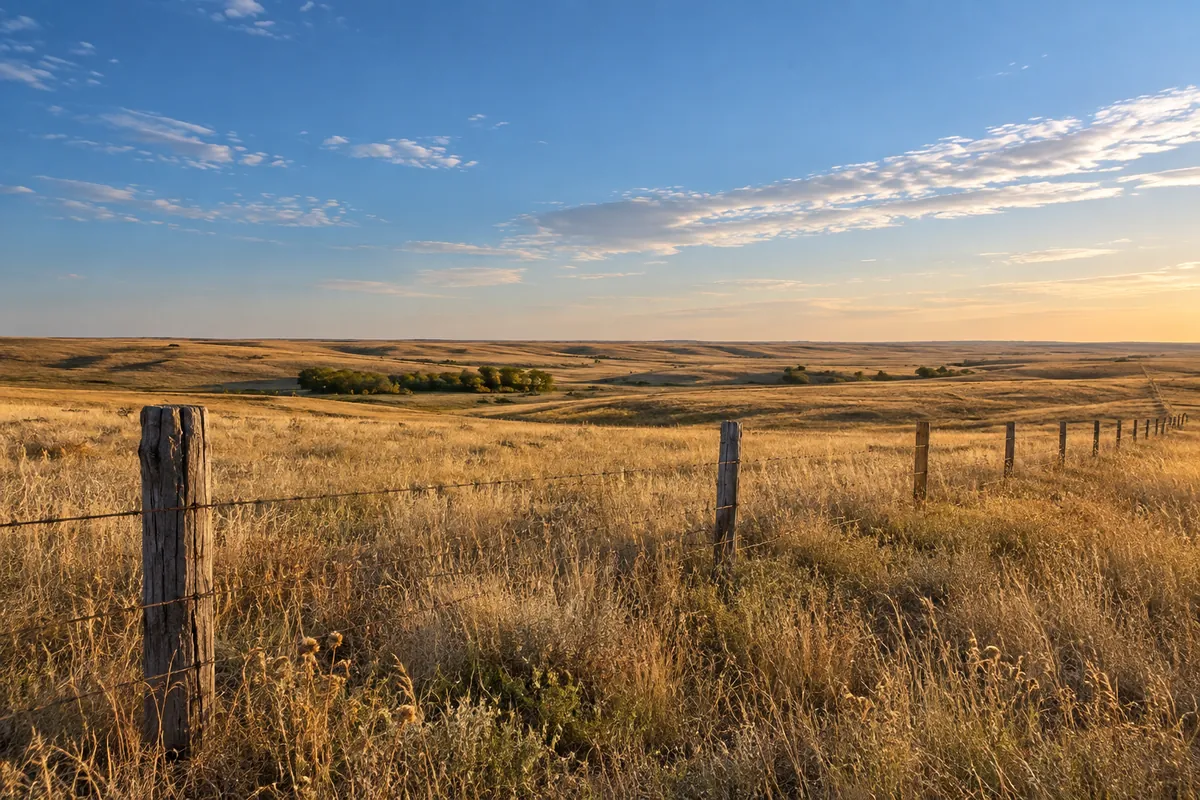
Make a short list of the acres, land ID numbers and owners you know about. Add the closest road and how you get onto the land. If the property has more than one land ID number, keep them together so a buyer can understand the whole sale.
Empty land may not have a street address. A tax bill, deed or map pin can help show where it is. A deed is the paper used to transfer ownership. Do not guess an address or draw a firm boundary if you are unsure.
Write down whether the land is open, wooded or used for crops or grazing. List buildings, fences or equipment you might include. Keep a separate list of things that are staying with you. A buyer should not have to guess whether the price includes a tractor or items in a shed.
A few clear photos can help. Show the land, its entrance and any buildings from places you can safely reach. You do not need to pay for major work just to start discussing a sale.
The Dundy County Assessor lists ownership, parcel size, value information and property maps among the records it maintains. Use that office to help identify the land or check the details on your tax record. A tax value is not a promise of what a buyer will pay.
For a recorded deed, start with the Dundy County Register of Deeds. Its page provides office contact details and links for land records. Ask how to obtain the particular paper you need and what a copy costs. You do not need to buy a broad record service to ask the office for help.
Keep any survey, old sale agreement or access paper you already have. A survey shows measured land lines. A map can help locate land, but it does not settle a disputed boundary or prove a right to cross someone else’s property.
If you’re handling inherited land or helping settle a loved one’s estate, gather the papers you have. Ask the closing professional who needs to sign and what still needs checking. You can take this one step at a time.
If another person farms or grazes the land, gather the actual agreement before promising when a buyer can take over. If the arrangement is not written, note what you understand and ask a closing attorney how to handle it.
Make a short note with:
Share those facts with the buyer and closing professional. Do not assume that a sale ends an agreement. Do not promise the buyer that the land will be empty on a certain day until the right people have checked it.
This does not mean you need to work out a buyer’s farm plan. It means being clear about the use and agreements that already exist.
Look at recent sales of land that is close in size and use. Check what each sale included. Land with a house, equipment or several extra tracts can be a poor match for bare land. Asking prices show what sellers want; completed sales show what buyers paid.
If you ask an agent for a price opinion, ask which sales support it. Tell them when access, acres or a farming agreement needs checking. There is no need to hide an open question to get a first opinion.
Then compare your selling choices:
Think about both price and effort. How much time do you want to spend answering questions? How soon would you like to sell? Your choice should fit your needs, rather than a promise that one route always pays more.
Make sure the offer covers the land you intend to sell. Check the price, deposit, planned closing date and who pays each cost. Ask what the buyer can inspect and what lets either side cancel.
Here is a made-up comparison. An offer of $40,000 with $3,000 in costs assigned to you leaves $37,000 before any loan or tax balance. An offer of $39,000 with $1,000 in costs leaves $38,000 before those balances. The lower headline price leaves more in this example. Your actual numbers will depend on the agreement.
Use our land offer worksheet if you want to compare the details side by side. Ask for an explanation when a term is unclear. You do not have to sign while a question remains unanswered.
Closing is the final step where the sale papers are signed and payment is handled. Ask who will handle it, which papers they need and how your payment will arrive. Let them check ownership, signatures and any amounts that need to be paid from the sale.
A target closing date can change when records or signatures are missing. Ask what is still open and who is working on it. Keep the signed agreement and final closing papers for your records.
Reelvest is one option if you want to compare a direct offer. Tell us about your land, and we’ll review the details. You decide whether an offer fits. For more general help, see the Nebraska land seller guide.
Yes. Start with a tax bill, land ID number or the location. Ask the Dundy County Register of Deeds how to obtain a recorded copy. Missing papers can be checked before you commit.
Find out what it could sell for as it stands before paying for major work. Ask whether the likely price gain would cover the cost and time.
Gather the agreement and note its dates and the part of the land involved. Ask the closing attorney how it affects the proposed sale before promising when the buyer can take over.
Yes. Compare written prices, costs, deadlines and buyer checks. You choose the route and offer that work for you.
Local source links reviewed October 6, 2026.