
Look for completed sales of land a buyer would compare with yours. Check what each price included before using it. Isanti County’s maps and property tools can help you find records, but a nearby house sale or a county value is not enough to set your vacant-land price.
Use the county tools for the question you have
Start at Isanti County’s GIS page. GIS means a map linked to property records. The county lists a Tax Parcel Viewer, a Residential Comp Finder and a Recorded Documents Lookup.
These tools have different jobs. Use the parcel viewer to help identify the land. The Residential Comp Finder is a place to research residential sales; do not assume its results are all vacant land. Ask a local land agent to help choose sales that fit the property you want to sell.
The county says its maps are for reference, not a legal description. Use a map to start a conversation. Use your deed and any survey to help check what is being sold. If records disagree, bring the difference to the agent or closing team rather than guessing.
Make a simple note about your land
Write down the parcel number, acres, nearest road and which pieces you want to sell. A parcel is one piece of land in county records. Gather a tax bill, deed or old survey if you have one. A deed is the paper used to transfer ownership.
Add a few facts a buyer would ask about:
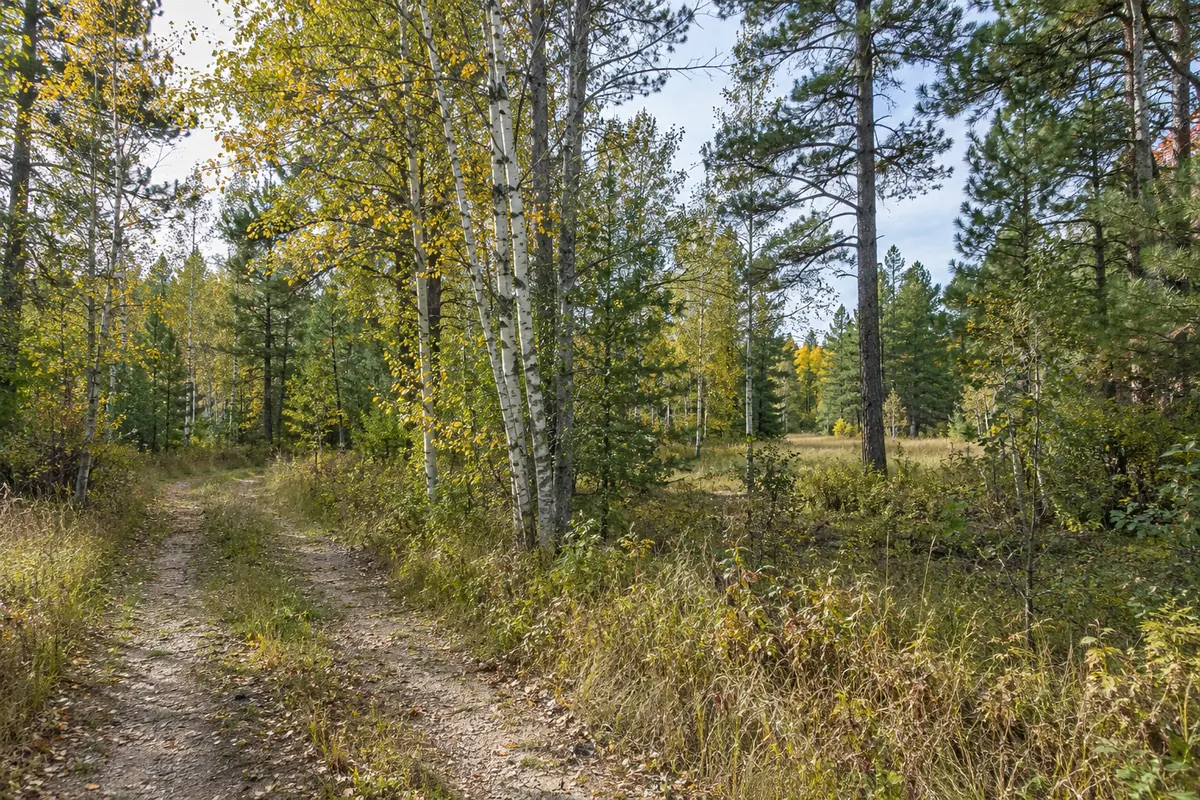
- Is the land mostly open, wooded or a mix?
- How do you reach it from the road?
- Are there buildings, fences or known services?
- Is anyone using it under a lease or other agreement?
- Which details are still unknown?
Take photos from places you can safely reach. You do not need to write a long description. “About 20 acres of woods, with an entrance from the road and no recent survey” gives an agent a useful starting point. Keep guesses separate from facts you can show.
Choose sales of land that serves a similar need
Ask a local land agent for recent completed sales with similar size, access, setting and known uses. A wooded tract, open field and small lot may appeal to different buyers. Compare properties the same buyer would reasonably consider.
For each suggested sale, ask why it fits. If it includes a home, ask what makes it useful for pricing vacant land. Do not use the whole home-sale price as if it paid only for the acres.
Keep active listings separate from closed sales. They show what sellers are asking. A high asking price does not prove a buyer will pay it. If few good sales exist, ask the agent to explain the wider range and the biggest unknowns.
If someone suggests a price based on a future building project, ask what has actually been checked. An idea for the land is different from a confirmed use. You can sell with open questions, but buyers need a clear picture of them.
Check the whole sale before using price per acre
Make one row for each sale you can check. Keep its date, full price, total acres, parcel numbers and source together. Add a note about buildings or other things included. Different addresses or listing names do not always mean separate sales.
Here is a made-up example: three parcels totaling 40 acres sell for $200,000. That is $5,000 per acre for all 40 acres. If you divide the price by one 8-acre parcel, you get $25,000 per acre and the wrong picture. These figures are not an Isanti County price estimate.
Ask the agent or closing team to help check the recorded deal when needed. Set aside a row if you cannot confirm what sold or the full acreage. Price per acre is a useful check only after those details are clear.
Treat the county value as background
The Isanti County Assessor’s page explains that the office estimates values for property tax purposes. It studies sales and details such as location, size and improvements. That work can help you understand your record.
Check the value date and whether the number covers buildings as well as land. Ask the Assessor’s Office about a record that looks wrong. For a sale today, ask a local land agent for a price range tied to checked sales that fit your land.
If estimates are far apart, ask each person to explain the difference. Is one using a house sale? Is another assuming a future use? For unusual land, an appraisal may help. An appraisal is a professional opinion of value. Ask what it costs and what question it will answer before ordering it.
Turn price research into a selling decision
You can list with a land agent, find a buyer yourself or consider a direct buyer. Ask about the work, costs and likely steps for each route. Use your price research to compare choices, not just to pick one headline number.
In a made-up example, $70,000 minus $5,000 in seller costs leaves $65,000. An offer of $68,000 with $1,000 in costs leaves $67,000. Both are before loans, taxes or other debts. These are not local prices or fee estimates. Get actual written numbers for your sale.
Ask who pays each cost, what the buyer must check, when they can cancel and who handles closing. Our offer comparison worksheet helps you keep the terms together.
If you want a direct offer to consider, tell Reelvest about your land. You decide whether it works for you. Read our Minnesota land seller guide for more help getting ready and closing.
Questions About Isanti County Land Value
Is the Residential Comp Finder a vacant-land price guide?
Do not assume every result is vacant land. Check whether a sale included a home or other buildings, then ask a local land agent which sales actually fit the land you want to sell.
Can I use a county map to prove my boundaries?
Isanti County says its maps are for reference, not a legal description. Start with the map, then use your deed and any survey to help check what is being sold. Ask for help if those records disagree.
Why can two nearby properties have very different prices per acre?
Size, access, buildings and known uses can change what buyers want. A sale of several parcels can also be misread if only some of the acres are counted. Check the whole deal before comparing the numbers.
What should I have ready before asking about price?
Start with the parcel number, acres, nearest road and any tax bill, deed or survey you have. Add photos and a short list of what you know. Mark open questions instead of guessing.
Local source links reviewed October 6, 2026.