
Start with the land’s location, the papers you have and what you want from the sale. Then choose a price and a way to find a buyer. You can list with a land agent, sell it yourself or compare a direct offer. These steps help you get ready, even if you’re missing a few papers.
Tell us about your land. There’s no obligation to accept an offer.
Start with what you know. These steps will help you get ready and choose the way to sell that fits you.
Find your most recent tax bill. Write down the parcel number, the acres and the closest road. A parcel is one piece of land listed in the county’s records. If you own more than one, make a short list of which pieces you want to sell.
Put your deed, any old survey and loan or tax papers in one folder. A deed is the recorded paper that describes a property transfer. A survey is a drawing prepared to show the land’s boundaries. You can begin with copies; ask the closing team what they’ll need later.
Think about your goal, too. Would you rather spend time finding a buyer or get an offer you can compare sooner? Is there a date that matters to you? Those answers help you choose a way to sell.
No street address? Start with the parcel number on your tax bill. The county’s property tax page explains its eight-digit property ID. The first two digits identify the district; the remaining six identify the property account. Keep all eight digits together when asking for help.
That page links to the county Property Viewer and Maryland’s property records. Use the map to check the nearby road and location against your papers. If you own more than one piece, note which numbers you want to sell. A map helps find the land; it doesn’t replace a survey of its boundaries.
For a deed copy, the Queen Anne’s County Land Records page links to MDLandRec. It also links to PLATS.NET for recorded maps. A plat is a map showing a group of lots. Keep the deed reference and any old survey or plat with your other sale papers.
Finding those copies is a useful first step. The clerk’s page says the office cannot perform a title search or give legal advice. A title search checks records for ownership and other claims. Ask the professional handling closing to check who needs to sign and what remains to be cleared up.
For taxes owed, call the county Treasury at 410-758-0414, extension 2087. For questions about the value used for taxes, the county lists 410-819-4160 and says to dial zero. These are different questions, so tell the office which one you need help with.
A buyer needs a clear picture of the land and how to reach it. Make a short list:
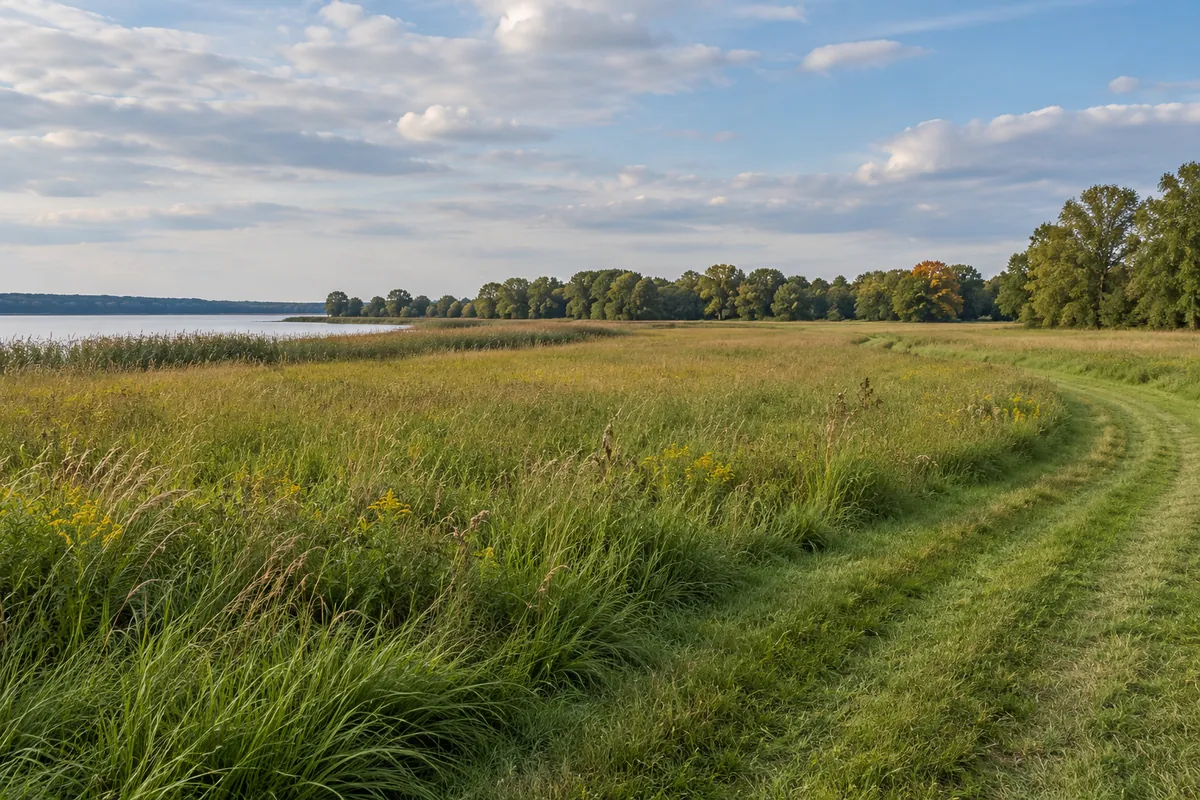
Take recent photos of the entrance and areas you can safely reach. For land near water, describe what you know about the water’s edge and access. Don’t promise a dock, boat access or waterfront rights just because a map shows nearby water.
If someone farms the land, gather the agreement and ask what happens to it when the land sells. Buyers need to know whether any current use will continue.
Keep any old survey handy. You don’t have to clear the land or order a new survey before asking about selling. If you’re unsure about a boundary, utility or allowed use, say so. A clear “not sure” helps everyone know what to check next.
Look for recent sales of land a buyer would compare with yours. Match the size, location, road access and main features. An inland field and land with water access can draw different buyers, even in the same county.
Keep asking prices separate from completed sales. An asking price shows what an owner hopes to get. A tax value is used for taxes. Neither alone tells you what a buyer will pay today.
A local land agent or appraiser can help when good sales are hard to find. Ask which sales they used and why those match your land. If a sale included a house or several parcels, check what the price covered before using it.
Our land value guide explains how to make a simple comparison. Start with a range you can explain, rather than copying the highest price you see.
An agent can help with pricing, advertising, buyer questions and offers. Ask about their land experience, fee, listing length and who handles visits.
You manage the listing, calls, visits and negotiations. Make sure you have a clear description, safe showing plan and someone to help with the sale papers.
A direct buyer purchases the land from you. This may reduce the work of marketing it, but you should still compare the price and terms. Reelvest is one option. Tell us about your land if you’d like an offer to consider. You’re free to choose another route.
Ask for the price and costs in writing. A loan balance, unpaid taxes, agent fee or closing costs may come out of your payment. Ask which side pays each item.
Here’s a made-up example: a $75,000 price minus $5,000 in seller costs leaves $70,000 before any loan or unpaid tax balance. This is only a comparison example. It isn’t an estimate for your land.
Read when the buyer can cancel, how long they have to check the land, what happens to the deposit and the target closing date. Ask for an explanation of any unclear term before signing.
Use our land offer worksheet to put offers side by side. The largest headline price may come with more costs or more conditions.
Once you agree on an offer, ask who will handle the sale papers and payment. Give them the deed, loan details and other papers they request. Ask for a list of missing items and a written estimate of the money you’ll receive.
If you’re handling inherited land or helping settle a loved one’s estate, gather the papers you have. Ask which documents and signatures are needed. The same applies if you share the land with other owners. You can ask for help before everything is sorted out.
Before you sign the final papers, check the property description, price and costs. Know how payment will reach you. Keep copies of the signed agreement and closing papers for your records.
Start with a tax bill, parcel number, deed copy and any old survey. Add the closest road and acres if known. Missing papers can be worked on; you don’t need a perfect folder before asking for help.
Not always. Start with any survey you already have. Ask the closing team whether this sale needs a new one, who would arrange it and who would pay.
Start with the full eight-digit property ID on your tax bill and the closest road. The county’s property tax page links to its Property Viewer. Compare the location with your papers before saving a result.
Ask the closing team who needs to sign and which papers they need. Don’t assume one owner can sign for everyone. You can start by gathering the deed and names you know.
Local source links reviewed October 5, 2026.