
Start with recent sales of land a buyer would compare with yours. Ask a local land agent for a range and the reasons behind it. Look at the ground you can use, the entrance and what came with each sale. A town name or county price per acre is not enough to choose your asking price.
Begin with what you already have
Find a tax bill, deed and any survey. Write down the land ID, acres if known and closest road. A land ID is the number used to identify a piece of property. If you’re selling several pieces, list them separately and say whether they must sell together.
Take photos of the entrance, open areas and wooded ground. Describe how you reach the land. Share any written agreement for crossing another property. A lane on a map or on the ground does not settle who may use it.
You can ask for a price range before every paper is found. Tell the agent which details are known and which need checking. If you’re handling inherited land or helping settle a loved one’s estate, keep any estate papers handy. Ask the closing team who needs to sign before choosing a sale date.
Choose the right way to get recorded papers
The Bell County Clerk’s records page explains its online choices. The no-charge private-citizen option is for Bell County residents doing personal research with no commercial gain. It is limited to Bell County records and five searches per day. The commercial option has a subscription fee.
Don’t assume the free option fits a sale, business use or your residency. Ask the Clerk which option applies before using it. You can also ask about getting a copy through the office, the details needed and the cost. A deed is a recorded paper that describes a transfer of land. Keep its book and page number, or other recorded reference, with your notes.
The Clerk’s contact page lists 606-337-6143 and the Pineville office at 101 Courthouse Square, Suite 200. Call to check where to request a land-record copy before making a trip. If you’re using a closing team, ask what it can help find so you don’t pay twice for the same work.
Compare the ground a buyer can actually use
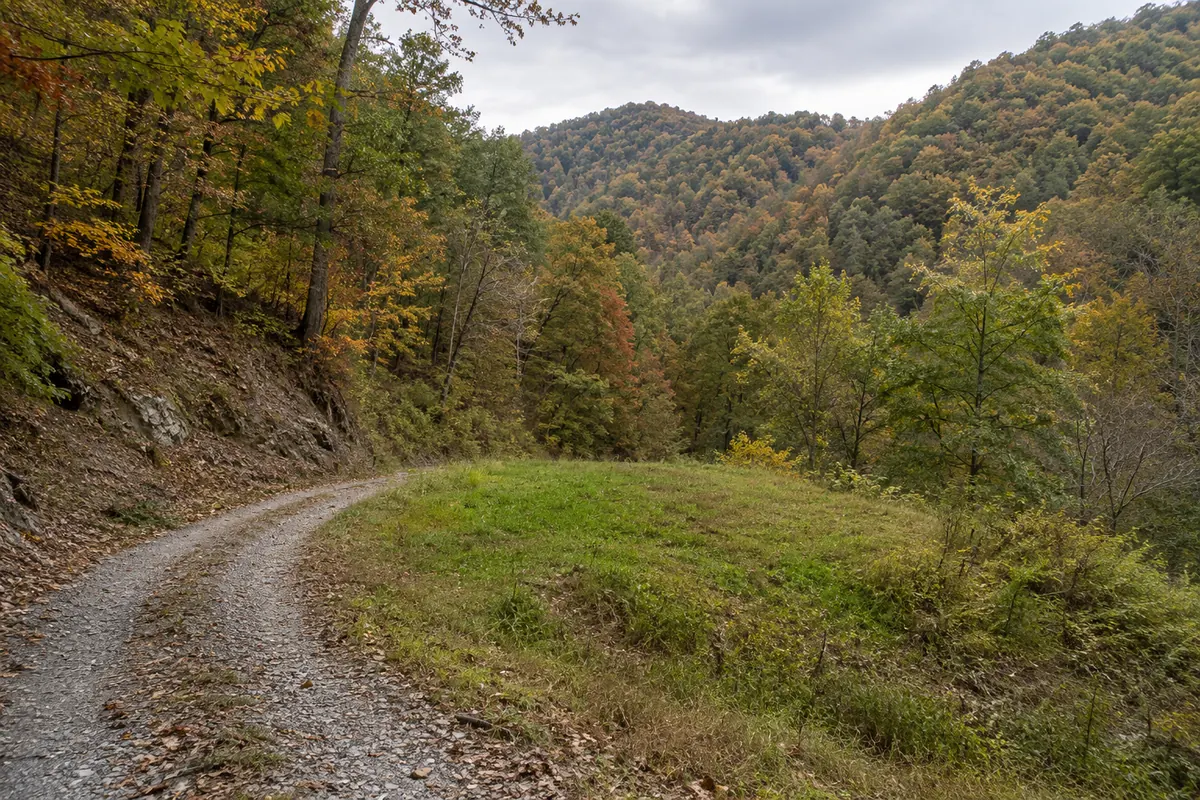
Two properties can have the same acres and different values. Tell the agent where the ground is level, where it slopes and what is hard to reach. A small clearing beside a road may appeal to a different buyer than a steep wooded tract.
- Wooded ground: compare slopes, the entrance and reachable areas. Don’t guess timber value from photos. Ask what evidence would support it.
- Open ground: compare the useful area, wet spots and any current rental or farm use.
- Small lot: compare the setting and checked services. Water or power nearby is not the same as a working connection.
- Mixed property: check whether the sale includes a home, barn or extra pieces of land.
Separate what you know from what a buyer still needs to check. You don’t need to clear woods, cut a road or plan a buyer’s home just to ask what the land might bring. Before spending on work, ask whether it is likely to add enough value to cover its cost.
Get the details behind the comparison price
An asking price is a seller’s request. A completed sale price is what a buyer paid. Keep them separate. Ask your agent for the closest recent completed sales and why each fits. Save these details:
| Detail to keep | What it tells you |
|---|---|
| Checked price and sale date | Whether the number is a completed price and still useful |
| All land IDs and recorded reference | Which ground belongs to the deal |
| Acres, slopes and entrance | Whether a buyer would compare it with yours |
| Buildings or other items included | Whether the price is for more than empty ground |
Use one row for each full deal. Several pieces sold together should not count as several separate sales at the full price. A repeated town name and price does not prove separate transactions. Ask for the recorded references before relying on them.
Here is a made-up example. Twenty acres sell for $60,000, or $3,000 per acre for the whole deal. That arithmetic does not mean every acre would sell for $3,000 on its own. A road-side clearing and steep woods can serve different needs. These are teaching numbers, not Bell County sales or a price estimate for your land.
Ask the agent which comparison is strongest and which is weakest. If good matches are scarce, discuss a range and what makes it uncertain. For unusual land or a formal value, ask about an appraisal. That is a professional opinion of value for a stated purpose. Check the fee first.
Choose the price and sale terms that fit you
You can list with an agent, find a buyer yourself or compare a direct offer. Consider the time, work and costs each choice takes. Get the price, seller costs, planned closing date and buyer’s right to cancel in writing.
Ask for an estimate of the money you keep after any loan balance, unpaid taxes and sale costs. Check who pays for records, any new survey and closing work. Ask what still needs checking before the buyer is ready to close.
Our offer comparison worksheet helps lay the terms out side by side. The Kentucky land seller guide explains the general process. If you’d like a direct Reelvest offer to compare, tell us what you know about your land. You decide whether it works for you.
Questions About Bell County Land Value
Is the Clerk’s private-citizen online search free for everyone?
No. The Clerk describes it as a no-charge option for Bell County residents doing personal research with no commercial gain. It covers Bell County records and allows five searches per day. Ask which access option fits your purpose.
Do steep woods and a small lot have the same price per acre?
No single price per acre fits both. Compare the useful ground, entrance, setting and checked services. Ask a local agent which completed sales are the closest matches.
Should I clear the land before asking for a price?
Start with photos and an honest description. Before paying for clearing or other work, ask whether it is likely to add enough value to cover its cost. You can begin without making those changes.
What if I don’t have my deed?
Ask the Bell County Clerk about copy options, the details needed and fees. If you have a closing team, ask what it can help find. You can begin a price conversation while missing papers are being found.
Local source links reviewed October 6, 2026.