
Start with the location, a recent tax bill and a few photos. Add the deed and any farm lease you have. Then compare similar land sales and decide how to find a buyer. You can list with an agent, sell it yourself or compare a direct offer. Here’s what to get ready and what to ask along the way.
Tell us about your land. There’s no obligation to accept an offer.
Start with what you know. These steps will help you get ready and choose the way to sell that fits you.
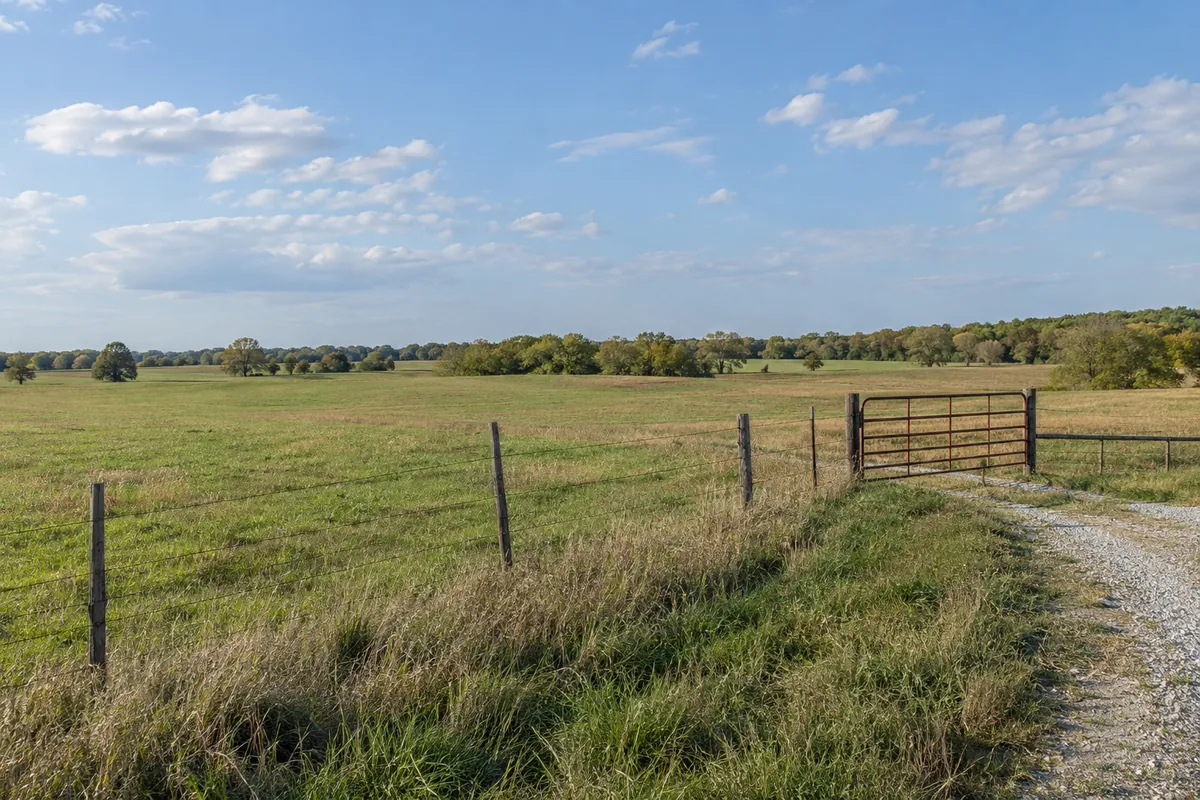
Find a recent tax bill. Write down the land ID number, acres if known, nearest road and names on the deed. A parcel is one piece of land with its own county record. If you own several parcels, list each one. Decide whether you want to sell them together.
No street address? Save a map pin and directions to the entrance. A buyer needs to find the land, not just your mailing address.
If the deed is missing, ask the Anderson County Register of Deeds about getting a copy. Call 785-448-3715 with the owner’s name and any old recording details. The office keeps deeds, surveys, road rights and other recorded land papers. Ask what it needs to find yours and what a copy costs.
The County Appraiser’s page links to a free parcel search. It lists 785-448-6844 for the office. Use it to help locate the land and ask about the county record. Keep any survey you already have. If the papers show different acres or owners, ask the closing company what needs to be checked.
Does someone rent the pasture, grow crops or use the land for hunting? Gather the agreement before you put the land up for sale. Even if the arrangement has been informal, write down what you know and ask for help before making promises to a buyer.
A buyer may want to keep a renter. Another may want to use the land right away. Clear information helps both sides decide whether the deal fits. Selling does not mean you should promise that every agreement ends on the closing date. Ask the closing company or your own adviser to review any lease that affects the sale.
You don’t need to settle every question before talking with an agent or buyer. Say what is known and what still needs a look.
Make a short fact sheet and take recent photos. Include the entrance, open ground, trees, fences and any buildings. Show wet spots or rough areas too. Good directions and honest pictures help avoid wasted visits.
If you reach the land by crossing another property, gather the written road agreement. An easement is a right to use someone else’s land, such as for a road. A visible track does not explain the rights a buyer would receive. Ask the closing company to check the papers.
Get permission before crossing a neighbor’s land for photos or visits. You don’t have to clear the whole property or build a new entrance before asking about a sale. First ask whether that work is likely to help enough to cover its cost.
If you have old water, septic, building or land-split papers, keep them with the deed. These can help answer a buyer’s questions. A septic system treats household wastewater on the property.
The county’s Planning & Zoning page lists building and sanitation forms, a parcel split form and 785-448-6745 for questions. If you want to sell only part of your land, ask what review applies before advertising it as a separate lot. If it’s inside a city, ask which office handles that location.
For a new home, share what has already been checked and let the buyer ask about the plans they want. Don’t describe nearby water or power lines as a working connection. Ask the provider what is available to this property.
You can start selling without planning the buyer’s home. Avoid promising a home site or split that has not been checked. Put the buyer’s remaining checks and deadlines in the sale agreement.
Ask an agent who sells local land for recent completed sales. Look for land with a similar use, size, road access and services. A home lot, rented pasture and a larger crop field may appeal to different buyers.
For each example, write down the sale date, acres and total price. Check whether that price covered one tract or several. Was a house, farm building or equipment included? Those details can make a simple price-per-acre comparison misleading.
Think about the buyer’s use: Two tracts could have the same acres. One might have a clear entrance and working water for livestock. The other might need an access agreement and a water connection. A buyer should know those differences, and your price comparisons should account for them. This is an example, not a claim about any local sale.
Asking prices show your competition. They don’t show what sold. Also, a tax value is not an offer. The Appraiser’s page explains that agricultural land uses a separate value for tax purposes. Don’t use that number alone to choose a selling price.
If similar sales are scarce, work with a price range and ask why each example fits. A land appraiser can help when you need a more detailed opinion.
Choose the path that fits your time and goals. You can ask questions and compare options before signing. If you’d like a Reelvest offer to compare, tell us about your land. You decide whether it works for you.
Our Kansas land seller guide has more help with the selling process.
Look beyond the offer price. Write down each cost you pay, any loan or tax balance, and the money expected to be left for you.
Made-up example: A $60,000 offer with $4,000 of seller costs leaves $56,000 before loan or tax payoffs. A $59,000 offer with $1,000 of seller costs leaves $58,000 before those payoffs. These are sample numbers, not Anderson County land prices.
Ask the County Treasurer about the current tax balance at 785-448-5824. For a loan, ask the lender for the payoff needed at closing. Let the closing company explain how these amounts will be handled.
Also compare the deposit, target closing date and any time allowed for checking the land. Ask when the buyer can cancel and what happens to the deposit. Get unclear terms explained before you sign. The land offer worksheet helps keep offers side by side.
Once you agree, the closing company checks ownership and prepares the sale papers. Ask which documents and signatures it needs. If you’re handling inherited land or helping settle a loved one’s estate, bring the papers you have so it can help with the next step.
Before signing the final papers, check the land description, costs and payment amount. Ask how and when you’ll get paid. Keep copies of the agreement and closing papers.
You don’t need a perfect file to begin. Start with what you have and ask for help with the missing pieces.
Start with the location, recent tax bill, deed if you have it and photos. Add any farm lease, road agreement or old water and septic papers. You can ask for help before you find everything.
Ask the Anderson County Register of Deeds at 785-448-3715. Have the owner’s name and any old recording details ready. Ask how to get the right copy and what it costs.
Share the lease and dates you know, including any harvest or grazing plans. Ask for help with unclear terms before promising that the buyer can use the land right away.
No. The County Appraiser explains that agricultural land uses a separate tax value. Choose price guidance from similar completed sales, with differences in access, services and use taken into account.
You can start without doing the buyer’s building project. Share existing papers and what is unknown. Ask the county or the office serving the location about any home-site or land-split questions.
Anderson County Planning & Zoning lists 785-448-6745 and links building, sanitation and parcel split forms. Ask which office handles your location and what review applies to the specific plan.
The County Treasurer lists 785-448-5824. Ask for the current balance and have the closing company explain how taxes will be handled in your sale.
No. You can use an agent, sell yourself or compare a direct offer. Review the money you keep, terms, timing and work involved before choosing.
Local source links reviewed October 5, 2026.