
Your land’s price depends on what a buyer can use and what similar land has sold for. Start with a local land agent’s suggested range and the sales behind it. Check the entrance, useful ground and what came with each sale. Then compare offers after costs. A county average alone won’t tell you what yours is worth.
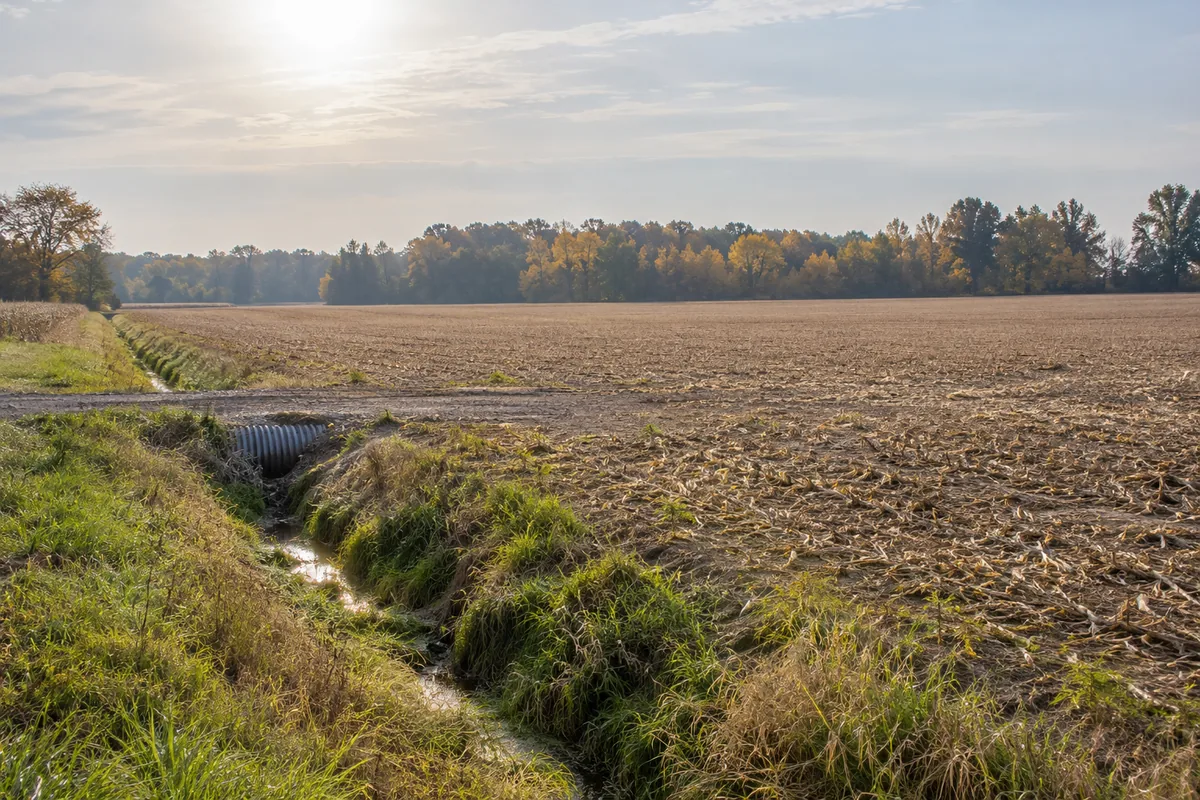
Get a few facts ready before asking for a price
Find a tax bill, deed and any survey you already have. Write down the land ID, acres if known and closest road. A land ID is the number used to identify the property. Note whether you’re selling one piece or several together. Take photos of the entrance and main areas.
If you need a tax bill, the Warrick County Treasurer’s FAQ explains how to print one from its linked property-tax search. The office says it does not charge to reprint a bill in person. Use the bill to find the right property and tax details. Its value is not a current offer for the land.
For a missing deed or survey on file, start with the Warrick County Recorder. The office lists 812-897-6165 and One County Square, Suite 230, in Boonville. It provides document copies for a fee and says copies can be sent by email or fax. Ask what details it needs and what the total cost would be. Its page also links to online land-record services.
You can ask for a price range while papers are being found. If you’re handling inherited land or helping settle a loved one’s estate, keep any estate papers handy. Ask the closing team who needs to sign before agreeing on a sale date.
Use the county map to locate the land, not to promise a boundary
The Warrick County Surveyor’s page links to the county map and warns that the property lines shown are estimates. Use the map to help point out your land. Share an existing survey if you have one. Don’t promise a fence, ditch or colored map line is the exact edge.
The same office says it does not survey private property. If a boundary question could change the acres you’re selling, ask your agent or closing team whether a licensed surveyor is needed. Check the cost before ordering work. You don’t need a new survey just to begin a price conversation.
Choose sales a buyer would compare with yours
Ask for recent completed sales of land with a similar setting and use. A small lot with services and a large field can have very different prices per acre. A town label alone does not make them good matches. Work through these questions:
- Is it the same kind of ground? Compare fields with fields, wooded land with similar woods, and small lots with similar lots.
- Can a buyer reach it the same way? Compare the entrance and road access. If you cross other land, share any written lane agreement.
- What can the buyer use today? Point out wet areas, slopes and parts that are hard to reach. Keep unconfirmed uses on a question list.
- What came with the price? Check for a house, barn, equipment or extra land. Nearby water or power does not prove a lot has a working connection.
If someone farms or rents your land, share the agreement. Ask how that use and any crops still in place affect the planned sale. Avoid spending on clearing or other work until you know whether it would help enough to cover the cost.
Ask for the whole deal behind each price
A listing price shows what someone asked. A completed sale price shows what was paid. Keep them separate. Ask the agent which sales are the best matches and how their prices were checked. Save a short note for each:
| Save this | Why it helps |
|---|---|
| Sale date and checked price | Keeps old asking prices out of the comparison |
| All land IDs and deed reference | Identifies the whole deal rather than a street name |
| Acres, entrance and ground | Shows whether it fits the land you’re selling |
| Buildings or other items included | Helps avoid calling a home sale a bare-land sale |
Keep one row for a full deal. If several pieces sold together, don’t count each piece as a separate sale with the full price. Ask about any records that seem to repeat the same sale.
Here is a made-up example: two properties each sell for $180,000 and have ten acres. One is empty ground. The other includes a home. Both work out to $18,000 per acre for the full deal, but that does not make their land worth the same amount. These are teaching numbers, not Warrick County sales.
If good matches are scarce, use a range and ask what makes it uncertain. For unusual land or a formal value, ask about an appraisal. That is a professional opinion of value for a stated purpose. Get a fee estimate first.
Check the money you keep before choosing an offer
You can list with an agent, find a buyer yourself or compare a direct offer. Consider the time, work and costs of each. Ask for the price, costs you pay, planned closing date and buyer’s right to cancel in writing.
If taxes are past due, the Treasurer’s FAQ says online totals may not show all penalties. Call 812-897-6166 for the correct amount. Ask your closing team how taxes, any loan balance and sale costs affect your payment. Don’t estimate the money you keep from the offer price alone.
Use our offer comparison worksheet to compare the details. The Indiana land seller guide explains the general selling process. If you’d like a direct Reelvest offer to compare, tell us what you know about your land. You decide whether it fits your plans.
Questions About Warrick County Land Value
Are the county map lines exact?
No. The Warrick County Surveyor’s page says the map’s property lines are estimates. Use it to locate the land. Share an existing survey and ask about any boundary question that could affect a sale.
Can I get a copy of my deed without an online subscription?
Ask the Warrick County Recorder about its copy options and fees. Its page says copies can be requested through the office and sent by email or fax. Call before paying for an online service.
Should I use a small lot’s price per acre to price my field?
Usually it is a poor starting match. Compare the setting, entrance, useful ground and services. Ask your agent why each completed sale belongs in your price range.
Will an online tax balance show everything I owe?
The Warrick County Treasurer warns that late-payment penalties may not all appear in the online total. Call the office for the correct amount before estimating the money you keep.
Local source links reviewed October 6, 2026.