
Start with the parcel map and deed, then choose sales of land with a similar size, access, and use. For wooded acreage, a route into the tract and the rights included can matter as much as the acres. Don't use a cabin sale as a bare-woodland price without checking the difference.
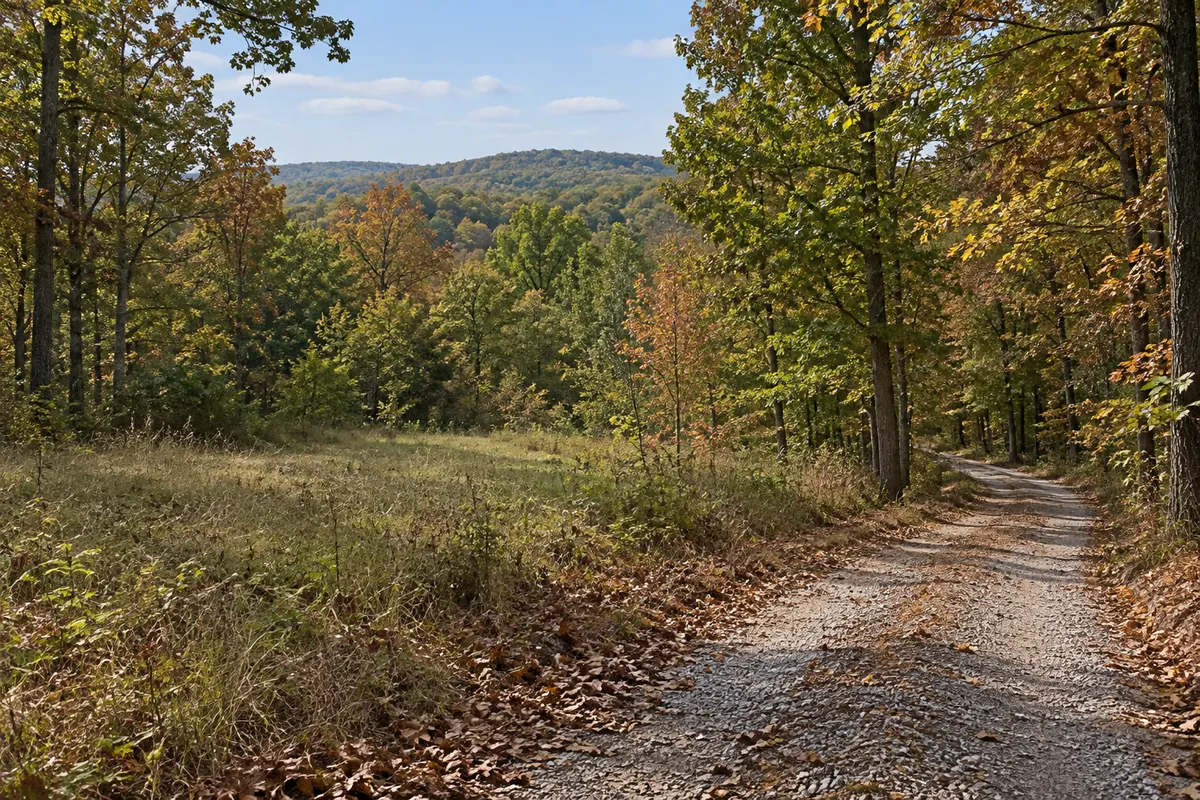
Use the Assessor for the Parcel and the Recorder for the Deed
The Perry County Assessor page links to the county GIS map. GIS is an online map with property information. Use that starting point to find the land's location and ID number.
The Perry County Recorder page has a Search Records Online section. The office keeps recorded deeds, leases, subdivision drawings, and other land documents. Use those documents to check what a transfer included.
- Match your parcel ID, acres, and location with the tax bill and any survey you have.
- Find the deed reference. It may be a document number or a book and page number.
- Check the deed's land description. One owner may hold several nearby tracts; make sure you're studying the right one.
- For a possible sale match, note every parcel included and the transfer date.
- Save any access agreement, lease, or other recorded document that changes how the land can be used.
If you can't find the record, contact the office with the parcel number and the details you already have. The Recorder page lists 812-547-4261; the Assessor page lists 812-547-5531.
Compare Wooded Acreage by Use and Access
A buyer who wants woods for walking may view the land differently from someone planning a home. Start with that likely use, then look for similar completed sales. A cabin, a cleared site, or an easy drive can explain part of a higher price.
- Route in: Is there public-road frontage, or a recorded right to cross other land?
- Ground: How much is gently sloped or open enough for the planned use?
- Added features: Did a sale include a cabin, well, power connection, or maintained lane?
- Rights: Did the owner keep timber rights or another interest? Check the written documents.
- Size and shape: Compare similar acreages and note gaps or narrow strips that affect use.
An Old Road Is a Question to Check
Picture a trail that reaches your woods by crossing a neighbor's land. You may have used it for years. Before you compare your tract with a sale that has road frontage, check what right comes with that route.
Look for a recorded access agreement, sometimes called an easement. It gives someone a right to use land they don't own. Check which parcels it serves and what it allows. If the documents are unclear, ask a title professional to review them.
Tell a buyer which facts are confirmed and which aren't. “There's a track, but I haven't found the access agreement” is useful information. Treating it as confirmed access can lead to a price comparison that doesn't hold up.
Once you have that answer, compare your strongest sale matches again. Leave out sales that depend on features or rights your land does not have. Keep the reasons with your price notes so you can explain your choice.
A Simple Sheet for Comparing Sales
Make one row for each deal you can check. Keep asking prices in a separate list; they show what a seller wants, not what a buyer paid.
- Land ID and deed number
- Check that you're counting the same parcel and transfer only once.
- Sale date and full price
- Write down where you found them. Leave a blank if you can't confirm them.
- Total acres and what was included
- Note buildings, other parcels, and any separate rights.
- Access, use, and site work
- List the biggest differences from your land.
- Keep or leave out?
- Write a short reason. Choose close matches over a longer list.
How to Work Out Price Per Acre
Divide the checked sale price by the acres included. For example, a made-up sale of 20 acres for $120,000 works out to $6,000 per acre. This shows the math; it isn't a local sale or an estimate for your land.
Use that number only after checking the match. It doesn't show the cost of a new road, the value of a house, or whether your land can serve the same use.
Use Your Research to Compare Your Options
You can use close sales to discuss an asking price with an agent or appraiser. You can also ask a buyer for a direct offer. Compare the price, costs, terms, and work involved. A higher headline price may leave you with less money after those costs.
Tell us about your land if you'd like Reelvest to review it. Start with what you know. You don't need to pick a price before reaching out.
Questions Sellers Ask
Where can I find the Perry County Indiana parcel map?
Start with the county Assessor page, which links to its GIS map. Match the parcel ID and acreage with your own tax bill and deed.
Where do I look for a deed or recorded access agreement?
The county Recorder page has a Search Records Online section. Use the document number or book and page when you have them; ask the office for help if you cannot find a record.
Does a trail on a map prove I can use it?
No. Check the written right to use the route, especially when it crosses another owner’s land. A title professional can review unclear documents.
Can I use a cabin sale to price my woods?
A cabin and its services add features that bare woodland may not have. Check the whole deal; leave it out if you cannot make a useful land-only comparison.