
Use recent completed sales of land like yours to build a price range. Compare farm ground with farm ground, woods with woods and small lots with similar lots. Check the usable acres, road access and everything included before doing price-per-acre math.
Start With the Land You Want to Price
Gather a recent tax bill, deed and any survey you have. A deed records a transfer of land. A survey is a measured drawing of the boundaries. Write down the land number, acres and closest road.
Say whether you want to sell one tract, several pieces or part of a larger property. List any buildings, wells, fences or leases included. Keep road and shared-driveway papers with those notes.
Take photos of the entrance, fields, woods and wet spots you know about. You don’t need every answer to ask for help. A clear description makes it easier to find sales buyers would compare with yours.
Use Gibson County’s Indiana Property Records
The Gibson County Assessor page links to Online GIS Mapping, also called Beacon. Start with the land number or details from your tax bill. Check that the location and acres fit your papers.
The assessor lists 812-385-5286 and the courthouse at 101 North Main Street, Princeton. Its office also handles the sales disclosure process, which collects information about property sales. Ask what record can help check a sale you’re considering.
Keep the date and source beside your notes. A tax value is used for taxes. It is not a current buyer’s offer, and a map alone does not settle an ownership or boundary question.
Find the Deed and Keep Closing Steps Separate
The Gibson County Recorder keeps deeds and other recorded land papers. It lists online records through landrecords.net, 812-385-3332 and the courthouse at 101 North Main Street, Princeton. Ask about the copy you need and current access before paying or traveling.
For a new deed, the county says processing starts with the assessor, then the auditor and recorder. Deed processing stops at 3 p.m. Ask the closing team how it will handle those steps. Don’t assume you need to visit all three offices yourself just to ask about a price.
If you’re handling inherited land or helping settle a loved one’s estate, start with the papers you have. Ask the closing team who needs to sign and what else is needed.
Compare Farm Ground With Similar Farm Ground
For farmland, look at usable fields, road access, drainage and any lease. Ask whether the sale included a house, grain storage or equipment. Those extras can make it a poor price match for bare ground.
Count the whole property, but note which acres are in fields, woods or wet areas. A tract with fewer usable field acres may appeal differently to a farm buyer even if the total acres are the same.
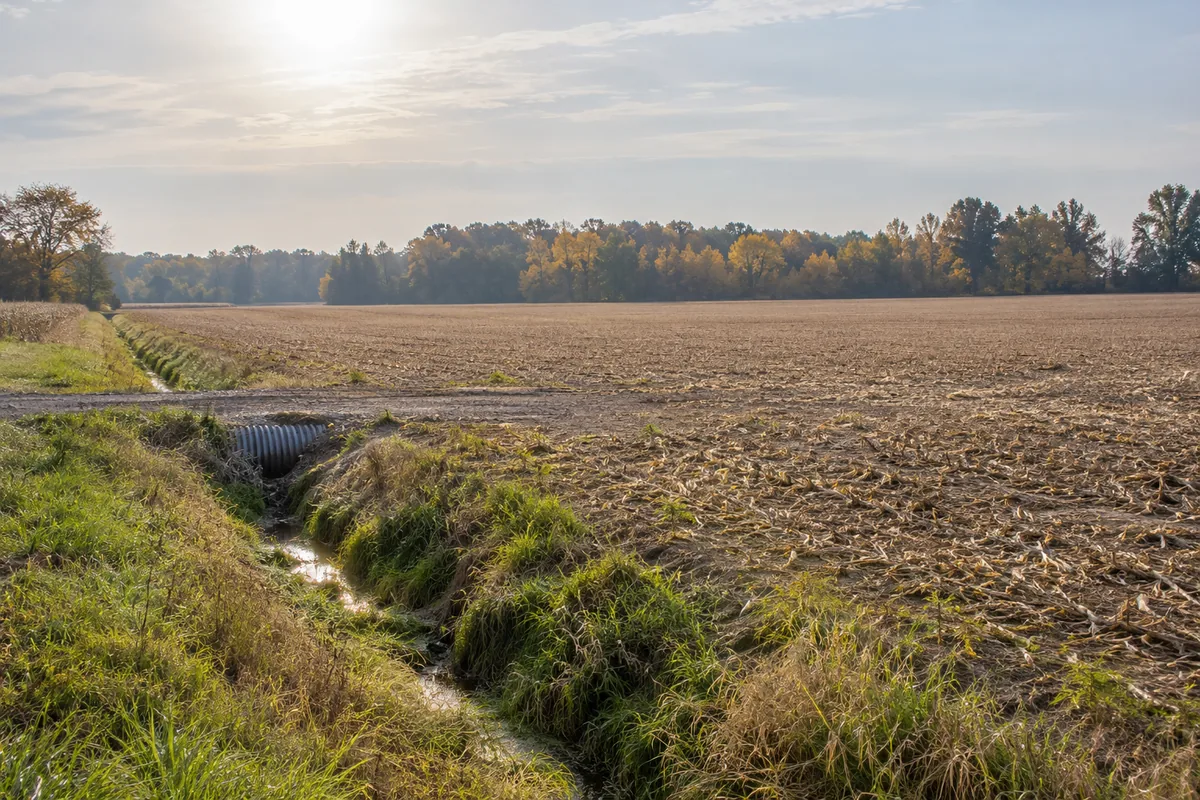
Share what you know about ditches, drains and how the entrance works. Ask who maintains any shared feature and what papers you have. Don’t promise a field is dry year-round based on one visit or photo.
If the land is leased, gather the agreement and ask how the sale affects it. Don’t promise the buyer immediate use until the timing and rights have been checked.
Choose Different Matches for Woods or Small Lots
For wooded land, compare access, usable space, tree cover and known use limits. If timber is a major part of the price, ask a qualified forester what needs checking. Similar-looking woods can have different values.
For a small lot, compare the whole lot price as well as the acres. Shape, usable space and existing services may matter more than a slight size difference.
A nearby power line is not the same as a working hookup. A neighboring house does not prove your lot has all needed approvals. Share verified facts and leave unconfirmed plans as questions for the buyer.
Check the Sale, Not Just the Online Price
An asking price shows what a seller hopes to get. A completed sale tells you what a buyer agreed to pay, but you still need to know what was included.
Match the land number, deed details and date. Check whether more than one tract, a building or equipment was part of the deal. Don’t count two listings as two sales until you know they are different deals.
Use several recent matches when you can. If a price looks far above or below the others, ask why. Leave it out of your math if you can’t confirm what happened.
Use the Acres From the Whole Deal
Write down each useful sale’s final price, total acres, location, usable ground, access and included property. Keep its source beside the numbers.
Here’s a made-up example. A $360,000 deal includes a 30-acre field and a 10-acre wooded piece. The whole deal is 40 acres. $360,000 divided by 40 gives $9,000 per acre.
Dividing the whole price by only the 30-acre field would give $12,000 per acre. That would change the comparison. These numbers are not a Gibson County sale or a price estimate.
If the deal included a home or equipment, simple price-per-acre math may not help you price empty land. Look for cleaner matches instead of guessing what the extras were worth.
Build a Range and Choose How to Sell
Put the best matches side by side. Note what makes your land more or less appealing. Use a range when you can’t measure a difference well.
A land agent can help find sales, choose a listing price and handle marketing. You can sell yourself and handle the calls and visits. A direct buyer’s offer gives you another number to compare. An appraiser can give a written value opinion if you need a closer look.
Compare the fees, work and timing of each route. Ask what supports the suggested price. You don’t have to accept the first number you hear.
Compare the Money You Keep, Too
Ask for seller costs in writing. Check any agent fee, loan balance, unpaid taxes and closing costs assigned to you. A higher price can still leave less money after those amounts.
The county auditor’s guide directs assessment questions to the assessor and payment questions to the treasurer. Use the right office for the question, then ask the closing team how any balance will be handled.
Compare the deposit, buyer’s checks, cancellation rights and planned closing date. Our land offer worksheet helps you put the terms side by side.
If you’d like a direct offer to compare, tell Reelvest about your land. We’ll review it and let you know if we can make an offer. Read the Gibson County seller guide or Indiana land seller guide for broader steps.
Questions About Gibson County Land Value
How do I find a price for my Gibson County land?
Compare recent completed sales of similar land. Use farm ground for farm ground, woods for woods and small lots for similar lots. Check usable acres, access and everything included. A land agent or appraiser can help with a range.
Where can I find Gibson County Indiana property details?
Start with the official county assessor page and its Beacon mapping link. Check the location and acres against your papers. The assessor lists 812-385-5286 if you need help with property information.
Does the tax value tell me what a buyer will pay?
Not by itself. A tax value is used for taxes. A buyer’s price depends on the land, what is included and current choices. Use tax records to check details, then compare useful completed sales.
Should I use a sale with a house to price bare land?
Usually it is better to find a closer match. The house, other buildings or equipment can be a big part of the price. Don’t assume the whole amount was paid for the ground.
Do I need to visit three county offices before asking about a price?
No. The county’s assessor, auditor and recorder sequence is for processing a new deed. Ask the closing team how it will handle those steps if you agree to a sale. You can start pricing with the records you have.
Do I have to accept a Reelvest offer?
No. If we can make an offer, you can ask questions and compare it with other ways to sell. You decide whether it works for you.
Local source links reviewed October 6, 2026.