
Compare completed sales of land that serves the same use as yours. Start with the parcel and acres, then check fields, woods, buildings, access, and farm agreements. A house on acreage or a small ready home lot can be a weak match for a farm tract.
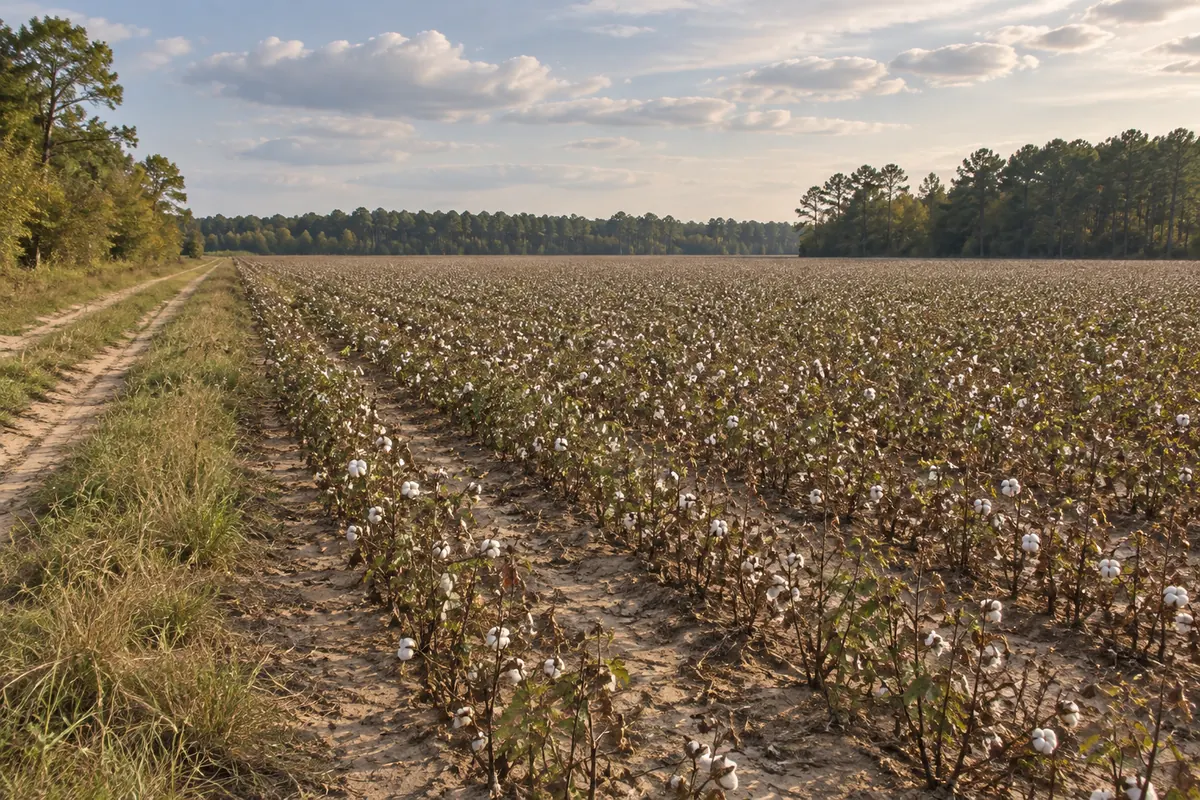
Start With Your Dooly County Parcel Record
The Dooly County Assessors Office page links to its property-information website. The linked Assessor's website explains that its values come from the most current published tax digest. The digest is the county's tax-value record; it is not a list of current buyer offers.
The Assessor handles property values and record details. The Tax Commissioner is the starting point for tax-bill questions. Keep a tax balance separate from the value of the land when you compare offers.
- Find your parcel ID on the tax bill or property record. Match the land's location, not just the owner's name.
- Save the acres and any listed buildings. Compare them with your deed and survey.
- For a sale you're studying, confirm every tract included. One price may cover more than one parcel.
- Write down the sale date and where you found the price. Leave missing details as unknown.
- Ask the Assessor about record details you can't find or understand. The county page lists 229-268-4719.
If the online service is unavailable, gather your tax bill, deed, and survey first. You can contact the office with the parcel ID while you wait. Don't replace a missing fact with a nearby listing's estimate.
Compare the Acres a Buyer Can Use
For farm ground, total acreage is only the first number. Open fields, woods, ditches, lanes, and buildings may all be part of the same tract. Check what the buyer is getting and which areas serve the planned use.
- Field ground: Note open acres, field shape, and space for equipment to enter or turn.
- Drainage: Write down wet areas, ditches, or drainage work you know about. Mark anything untested as a question.
- Buildings: Separate a house, barn, or storage area from bare-land comparisons.
- Farm use: Gather a lease or crop agreement, including what happens around harvest.
- Roads: Check the right to enter and the condition of the route, rather than relying on a line in a map.
Keep the Crop and Lease Details With the Price
Suppose two fields have the same acres. One is available for a new owner to use. The other has a crop in the ground and an agreement with a farmer. Before comparing offers, find out what the buyer would receive and when.
Write down who owns the crop, the lease end date, and any entry or harvest terms. If the agreement is verbal, share what you know and ask for help reviewing it. Don't assume a change in ownership settles those questions.
For a sale match, note what was included beyond the ground. If a high-priced deal also included a house or a second tract, don't divide the whole price by only the field acres. Leave it out of your strongest matches when you can't check the full deal.
If your record shows a special farm-use or conservation tax treatment, ask the county what a sale or change in use would mean for that account. Keep any possible tax cost in your offer notes instead of treating the tax value as a market-price estimate.
A Simple Sheet for Comparing Sales
Make one row for each deal you can check. Keep asking prices in a separate list; they show what a seller wants, not what a buyer paid.
- Land ID and deed number
- Check that you're counting the same parcel and transfer only once.
- Sale date and full price
- Write down where you found them. Leave a blank if you can't confirm them.
- Total acres and what was included
- Note buildings, other parcels, and any separate rights.
- Access, use, and site work
- List the biggest differences from your land.
- Keep or leave out?
- Write a short reason. Choose close matches over a longer list.
How to Work Out Price Per Acre
Divide the checked sale price by the acres included. For example, a made-up sale of 20 acres for $120,000 works out to $6,000 per acre. This shows the math; it isn't a local sale or an estimate for your land.
Use that number only after checking the match. It doesn't show the cost of a new road, the value of a house, or whether your land can serve the same use.
Use Your Research to Compare Your Options
You can use close sales to discuss an asking price with an agent or appraiser. You can also ask a buyer for a direct offer. Compare the price, costs, terms, and work involved. A higher headline price may leave you with less money after those costs.
Tell us about your land if you'd like Reelvest to review it. Start with what you know. You don't need to pick a price before reaching out.
Questions Sellers Ask
Where do I start a Dooly County land-value search?
Use the Assessors Office page and its linked property-information website. Match the parcel ID and location, then check the acres, buildings, and sale details against your other records.
Is a tax-digest value the price a buyer will pay?
No. The digest is a tax-value record. Compare completed sales with similar land and useful features, and keep any tax balance separate from the price discussion.
Can I average a farm sale and a house-on-acreage sale?
A house and other added features can make the prices poor matches. Check the full deal and keep different uses in separate groups.
What if a farmer has a crop on my land?
Gather the lease and crop terms. Share who owns the crop and what entry or harvest arrangements you know. Have unclear agreements reviewed before comparing the deal.