
Start with your parcel number, the papers you have and how someone reaches the land. Then gather clear answers about water and known uses. You don’t need to plan the buyer’s whole project to start selling. A short, honest fact sheet helps them decide what to check next.
Tell us about your land. There’s no obligation to accept an offer.
Start with what you know. These steps will help you get ready and choose the way to sell that fits you.
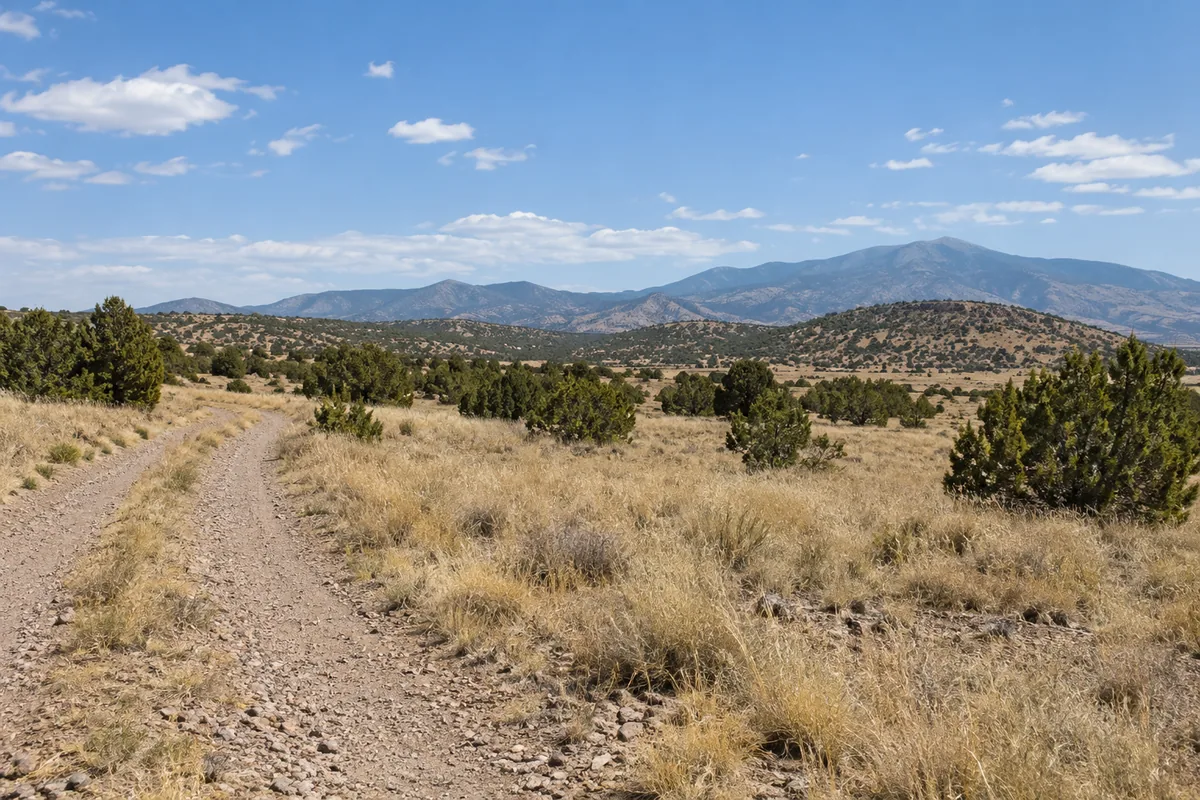
Look for the parcel number on a tax bill or property record. List each parcel if you want to sell several together. Add the acres you know, nearby road and a map showing the location.
The Costilla County Assessor maintains records that include land size, location, maps and transfer history. Use them to start your research. The county’s Planning & Zoning Resources page also links to its GIS Property Search, an online land map.
Gather your deed, tax bills, any survey, loan details and written access papers. A deed records an ownership transfer. A survey is a measured drawing of land. Note anything you can’t find. If the land came through a family estate, ask the closing team which papers and signatures are needed.
Write down the route from the public road. Note a gate, shared lane or road across someone else’s land. An easement is a right to use another property for a stated purpose. If you have one, keep the written papers with your deed.
A line on a map or tracks on the ground do not answer every access question. Ask the closing team to review unclear rights. Ask the road office who maintains the route and what is known about winter access.
Costilla’s Planning & Zoning Resources page lists a Road Access Permit application. Before changing an entry, ask staff what your actual plan needs. A listing can describe the entry that exists without promising a new driveway has been approved.
Is there a working well, a water connection or no water system yet? Gather any well permit, service record or water agreement you have. Note whether the system has been used and what is still unknown.
The county points well and water questions to the Colorado Division of Water Resources. Ask about the parcel and any existing permit before promising that a buyer can drill a well. A neighbor’s well does not settle the answer for your land.
Do the same with power. Share records for an existing connection. If there is only a line nearby, ask the provider about service to the actual lot. Keep a possible connection separate from one that is ready to use.
Zoning means rules for how land may be used. Give Planning & Zoning the parcel number and a simple question: “What should a buyer check before planning a home or using an RV here?” Ask which current rules and permits apply.
The county resource page lists home, septic and temporary RV occupancy permit forms. Septic is an on-site system for household wastewater. A form for temporary RV use during home construction does not prove that full-time RV living is allowed on any vacant lot.
Save existing approvals and note what they cover. If you hope to split the land, ask what review and road access each piece would need. Label an unapproved split as an idea. You can market the land as it stands while explaining open questions.
Put the parcel numbers, acres, nearby road, access papers and known services on one page. Add any lease or recorded limits on use that you know about. List the unanswered questions beside the records that could help answer them.
Take photos of the entry, open ground, trees, slopes and any structures. Note low or wet spots and parts you have not reached. Use your own property photos in a listing so buyers can see the land they are considering.
For example, “No well is installed; well options have not been checked” gives a buyer a clear next question. “Perfect off-grid home site” tells them little unless you have checked what that plan needs.
Ask a local land agent for completed sales that match your acres, location, access, ground and known uses. Ask what each deal included. Keep asking prices and tax values separate from completed sale prices.
If you want an offer from Reelvest to compare, tell us about your land. Start with what you know. You decide whether an offer works for you.
Check that the agreement covers the right parcels. Ask who pays each cost, what the buyer still needs to check, when they can cancel and who handles closing. Ask how loans, taxes or other amounts due affect the money you keep.
Here is a made-up example. $30,000 minus $3,000 in seller costs leaves $27,000. $29,000 minus $1,000 leaves $28,000. Both are before loans, taxes or other debts. These are teaching figures, not Costilla land prices or fee estimates.
Use our offer comparison worksheet. Ask for a written breakdown of your final payment and how signing and payment work. Keep the final papers. Our Colorado land seller guide has more help.
Start with your parcel number, tax bill, deed and any survey or access papers. Add a map, route to the land and known water or power records. List what is missing so you can ask for help with the next step.
The map is a starting point. Gather written access papers and ask the closing team about unclear rights. Ask the road office about maintenance and the actual route. Do not promise access based only on a map line.
First ask Planning & Zoning what is allowed for that parcel and proposed use. The county lists a temporary RV occupancy permit during home construction. That is not proof that full-time RV living is allowed on every vacant lot.
You can start selling with the records you have. Be clear about whether a well exists and which water questions remain open. Ask the Colorado Division of Water Resources about an existing permit or proposed well.
You can compare an agent listing, selling yourself and a direct offer. Review the work, costs and written terms. Choose the route that fits your goals.
Local source links reviewed October 6, 2026.