
Ask What Is Needed Before You Order a Survey
You may be able to start a land sale with an old survey, or the sale may call for a new one. Who pays depends on the written terms and what the sale requires. Ask the buyer and the title company or attorney handling the sale before you spend money.
A survey is work done by a surveyor to show details about the land. If you have one, find the full copy and share it for review. An online map or a sketch of the area you want to sell is useful for a first conversation, but it doesn't answer every survey question.
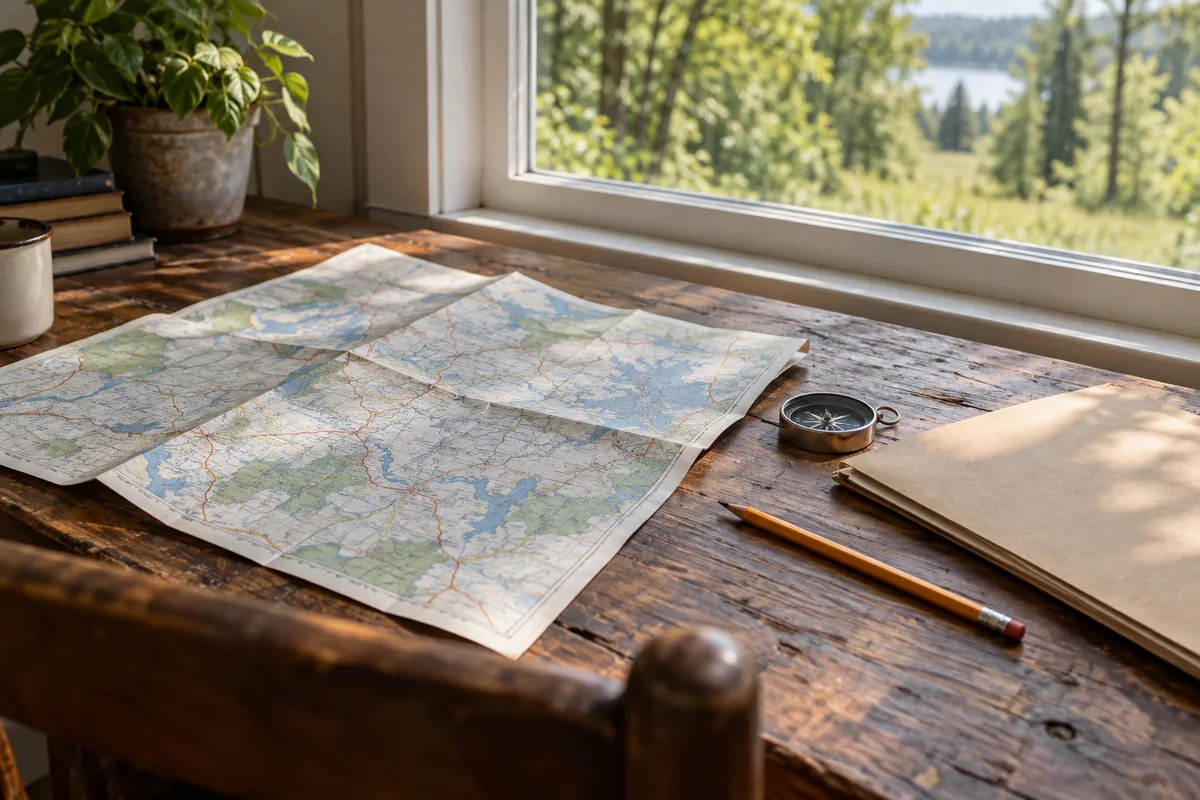
Start With the Papers You Already Have
Look in the papers from when you bought the land. An old survey may be with the deed or closing records. If you can't find it, ask whether the person who handled that sale kept a copy.
Check the name of the surveyor, the date and which land it covers. If you own several pieces, make sure the survey is for the right one. Don't assume a drawing of the neighbor's land covers yours.
- Is the whole page clear, including notes around the edges?
- Does it cover all the land you want to sell?
- Have roads, fences or buildings changed since it was made?
- Has any land been added or sold since then?
Write down changes you know about. Let the surveyor and closing team decide what those changes mean for the work needed.
Put Who Pays in Writing
Ask who orders the survey, who chooses the surveyor and who pays the bill. Also ask what happens if an old survey is not accepted. These are separate questions. A promise to provide an old copy may not answer who pays for a replacement.
For one state example, the Texas Real Estate Commission's current Unimproved Property Contract has choices for an existing survey or a new survey and who pays. The selected terms matter. That form is a Texas example, not a rule for every land sale.
Ask the person helping with your agreement to explain its survey terms. Make sure the written answer matches what you and the buyer discussed. Our offer calculator can help you compare a known survey cost with other selling costs.
Get a Quote for the Work You Need
When you ask a surveyor for a quote, explain the sale. Are you selling the whole tract, one existing lot or a new part of a larger piece? Share the records you have and the questions the buyer or closing team has raised.
Ask what the price covers and what you will receive. Ask about the expected finish date, how the surveyor gets onto the land and whether more work could change the price. A low quote is hard to compare if it covers a different job.
Keep a note of the quote date and the person you spoke with. Don't fill in a guessed cost when comparing offers. Mark it as unknown until you have a clear estimate.
Talk Through New Findings and Delays
If the survey raises a question about the land, ask for a plain explanation before making promises to the buyer. Ask how it affects the sale, who will look into it and whether any deadline needs attention.
For example, you may have used “about ten acres” in a first conversation. Ask whether the written price is for the whole property or changes with the measured acres. Read that answer in the agreement instead of guessing.
If the survey may arrive late, tell the closing team early. Ask what the agreement says about timing and what options are available. Keep any agreed changes in the proper written form.
You Can Begin With What You Know
If you want an offer from Reelvest, tell us about your land and whether you have a survey. You don't need to order one just to ask about our review process. If the land has no address, use our parcel-finding guide to gather a county name and land ID.
Helpful Source
TREC: current Unimproved Property Contract, including the survey section. Reviewed October 2, 2026.